
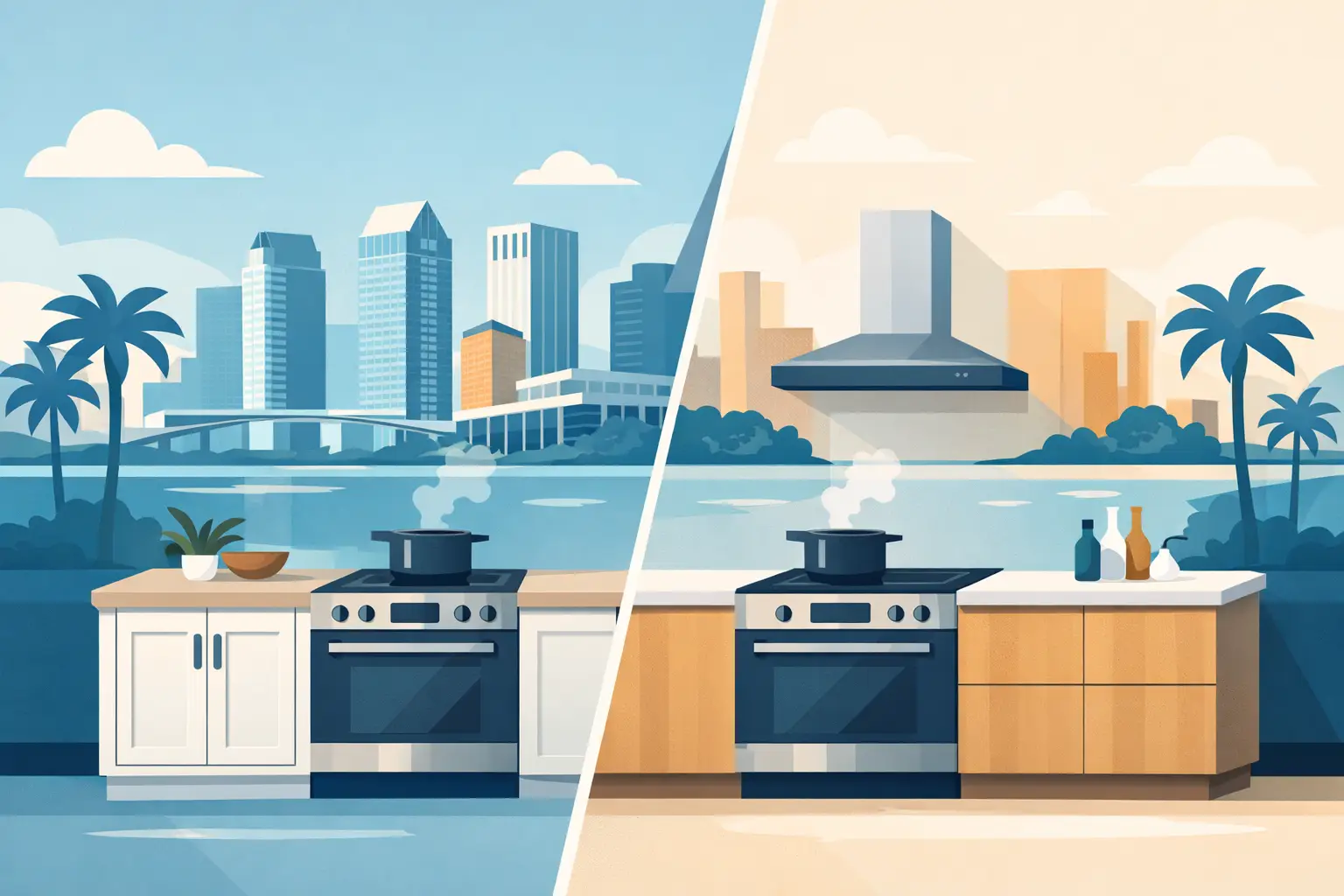
A cabinet door can make a kitchen look modern, traditional, bright, or dramatic. But the construction behind that door has just as much to do with how your new space functions. When comparing framed vs frameless cabinets, Tampa Bay homeowners are really choosing between two cabinet-building methods with different looks, storage capacity, hardware needs, and installation requirements.
Neither option is automatically better. The right choice depends on your design goals, budget, room layout, and how much hands-on support you want during the remodeling process. Understanding the difference before selecting door styles, finishes, and countertops can prevent costly changes later.
What Are Framed Cabinets?
Framed cabinets have a solid wood frame attached to the front of the cabinet box. This face frame adds structural support and creates the familiar, classic look many homeowners associate with American kitchen cabinetry.
The doors and drawer fronts are mounted to or within that frame. Depending on the cabinet line and door style, they may be partial overlay, full overlay, or inset. Partial-overlay doors leave more of the frame visible. Full-overlay doors cover most of it. Inset doors sit inside the frame opening for a tailored, furniture-style appearance.
Because the face frame reinforces the cabinet box, framed construction has long been a dependable choice for kitchens and bathrooms. It can be especially forgiving in older homes where walls and floors are not perfectly square, which is common in remodeling projects.
Why homeowners choose framed cabinets
Framed cabinets work naturally with traditional, transitional, farmhouse, and coastal-inspired designs. The visible framing adds dimension around doors and drawers, and it pairs well with details such as raised-panel doors, decorative molding, glass-front cabinets, and warm wood finishes.
They are also available across a wide range of price points. A well-built framed cabinet can be an excellent value, especially when you want a polished, lasting kitchen without moving into the cost of fully custom cabinetry.
The trade-off is access. The face frame slightly narrows drawer and cabinet openings, so you lose a small amount of usable space compared with a similarly sized frameless cabinet. For most kitchens, the difference is modest. In a compact kitchen or vanity area, though, every inch can matter.
What Are Frameless Cabinets?
Frameless cabinets, often called European-style cabinets, do not have a face frame on the front of the box. Instead, thicker cabinet sides provide the structure, while doors and drawer fronts attach directly to the cabinet box.
This construction creates a clean, continuous appearance. When installed correctly, the small gaps between doors and drawers are consistent, and the fronts cover nearly all of the cabinet box. The result is a sleek look that is especially popular in contemporary, modern, and minimalist homes.
Frameless cabinets also provide more accessible interior space. Without a face frame crossing the opening, drawers can be wider and cabinet openings are easier to use. That can make a noticeable difference for wide pot drawers, pull-out trash systems, pantry storage, and bathroom vanities.
Why homeowners choose frameless cabinets
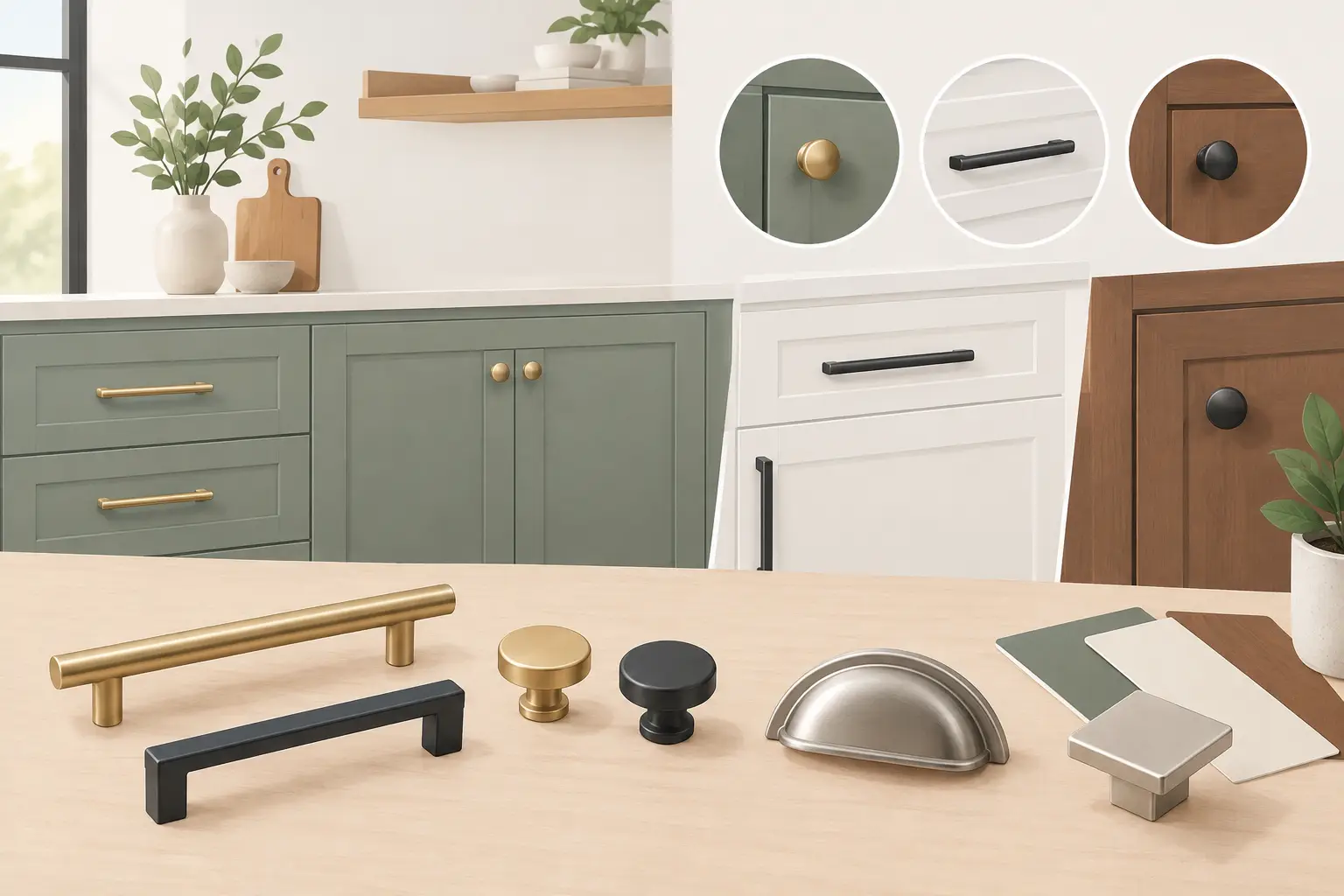
The biggest advantages are clean lines and efficient storage. Frameless cabinets make it easier to achieve a streamlined kitchen with flat-panel doors, slab fronts, integrated handles, or simple hardware. They also work beautifully with many shaker door styles when the goal is a more current, less decorative look.
The construction depends on precise manufacturing and careful installation. Since there is no face frame to help disguise minor wall variations, cabinet boxes need to be leveled, aligned, and secured accurately. Quality hinges, drawer slides, and durable box materials are particularly important.
That does not mean frameless cabinets are fragile. A quality frameless cabinet built with strong materials and proper hardware can perform very well for years. It simply means homeowners should compare cabinet specifications, not just door color and price.
Framed vs Frameless Cabinets: The Differences That Matter
The choice usually comes down to appearance, storage, durability expectations, and installation conditions rather than one construction method being universally superior.
Style and door appearance
Framed cabinets tend to feel more detailed and dimensional. They are a natural fit if you love classic white shaker cabinets, soft coastal colors, traditional wood tones, or cabinetry that feels like built-in furniture.
Frameless cabinets generally look more modern because the doors sit closer together and cover more of the cabinet front. This style can make a smaller kitchen feel less visually busy. If your inspiration photos feature large flat doors, horizontal grain patterns, thin reveals, or a clean European look, frameless construction may better match the vision.
There is overlap, however. A shaker door can work on either cabinet type. The real difference is in the reveals, the amount of visible framing, and the overall level of visual detail.
Storage and accessibility
Frameless cabinets offer a slight edge in usable interior space. Their wider openings make it easier to store large cookware and access pull-out organizers. For homeowners planning deep drawers, rollout shelves, spice pull-outs, or accessible storage for aging in place, that extra access can be valuable.
Framed cabinets give up a small amount of opening width because of the face frame. Still, smart cabinet planning often matters more than the construction type. A well-designed framed kitchen with drawer bases, tall pantry storage, and corner solutions can function far better than a poorly planned frameless kitchen.
Strength and long-term performance
Both styles can be durable when they are built well and installed correctly. With framed cabinets, the face frame adds rigidity at the front of the box. With frameless cabinets, strength comes from the thickness and quality of the box panels, joinery, back panel, and mounting method.
Look beyond broad labels. Ask about box material, panel thickness, drawer construction, soft-close hardware, shelf support, and whether the cabinets are appropriate for your household’s daily use. These details affect performance more than a simple framed-versus-frameless label.
Installation and Tampa Bay homes
Humidity is part of life in the Greater Tampa Bay area. Kitchens and baths need materials, ventilation, and installation practices that account for moisture, especially around sinks, dishwashers, showers, and exterior walls.
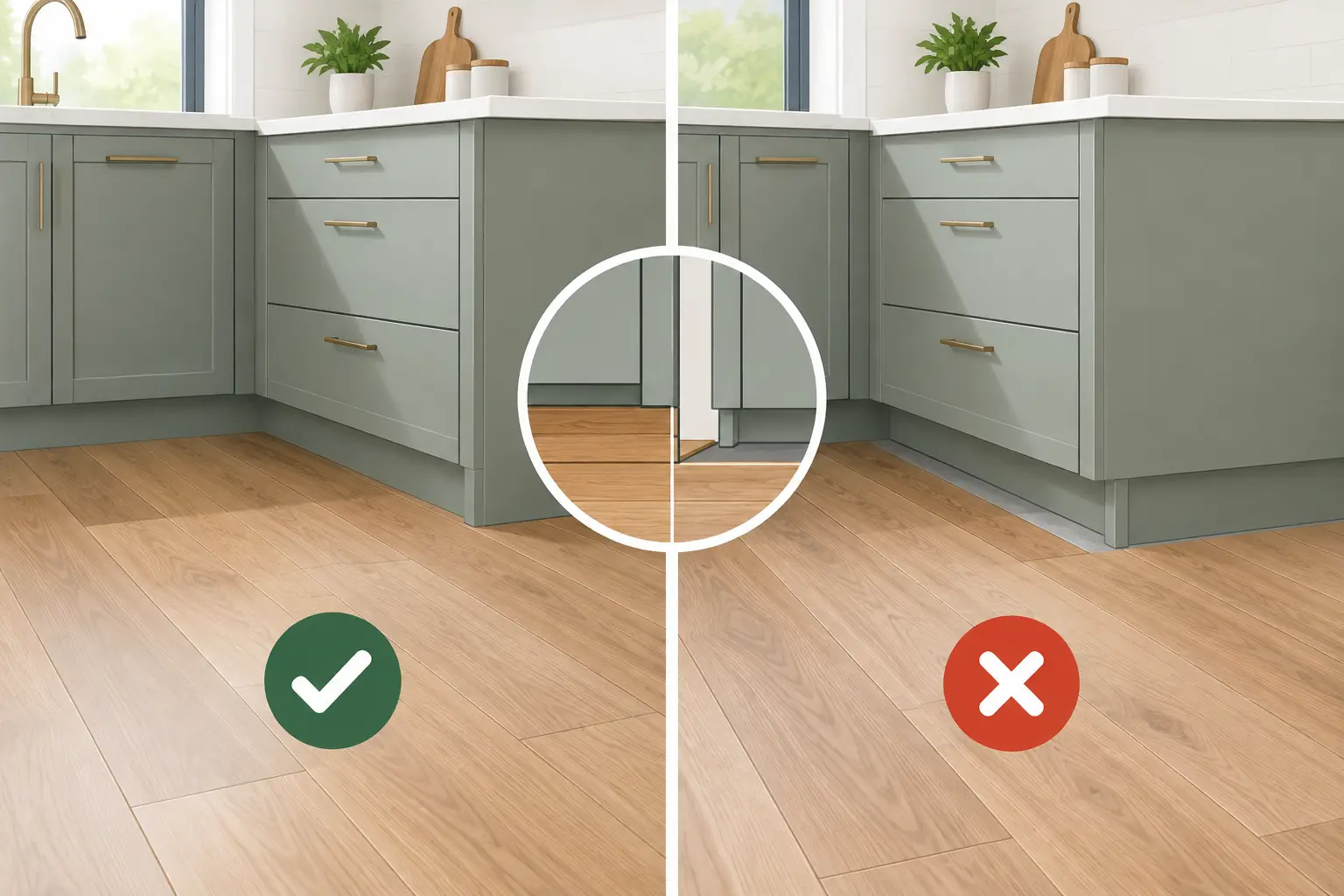
Framed cabinets can offer a little more flexibility when walls are uneven, but skilled installers can fit either style successfully. The key is careful measuring, proper leveling, and leaving appropriate room for doors and drawers to operate correctly. Cabinet design should also account for flooring height, appliance clearances, plumbing, and countertop installation before orders are finalized.
Cost considerations
Pricing varies widely by cabinet line, materials, finish, door style, accessories, and installation needs. It is not accurate to assume all frameless cabinets cost more or that framed cabinets are always the budget option.
Frameless cabinetry may require more precise installation and can include premium hardware or modern finishes that increase the final price. Framed cabinets can also become more expensive when you choose inset doors, decorative end panels, specialty finishes, or extensive molding. The most useful comparison is a detailed quote for two designs with similar storage, materials, and features.
Which Cabinet Style Is Right for Your Project?
Choose framed cabinets when you want a classic or transitional look, appreciate visible detail around doors, or are remodeling a home with walls that may need extra installation flexibility. They are also a strong choice for homeowners who want broad style options and dependable value.
Choose frameless cabinets when clean lines, wider access, and a modern appearance are at the top of your list. They are especially appealing in smaller kitchens where efficient storage and a less crowded visual feel can make a real difference.
For a bathroom vanity, the decision can be even more practical. Frameless construction may offer more drawer room in a narrow footprint, while framed cabinetry can complement a more traditional vanity design. Your sink placement, plumbing location, and preferred storage layout should guide the choice.
Start With the Layout, Not the Label
It is easy to get focused on a cabinet door sample and overlook the decisions that affect everyday use. Before choosing construction, think through how you cook, where you need drawers, which items need to be close to the range or sink, and whether the kitchen needs a pantry, island, or more accessible storage.
At The Cabinets Store, cabinet selections are best made as part of the full design conversation, not as an isolated product decision. Seeing the layout, door styles, hardware, countertops, and room conditions together helps clarify whether framed or frameless cabinets will serve your home best.
Your dream kitchen does not need to follow a trend or fit a single rule. It needs cabinets that look right in your home, hold up to your routine, and make every day a little easier.