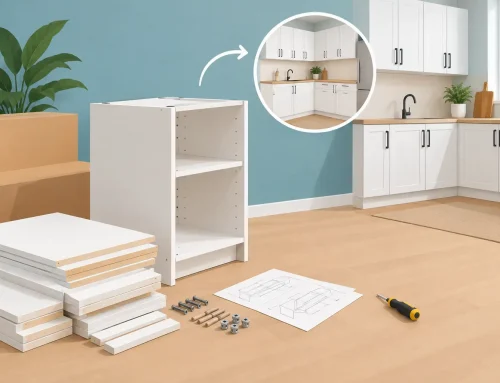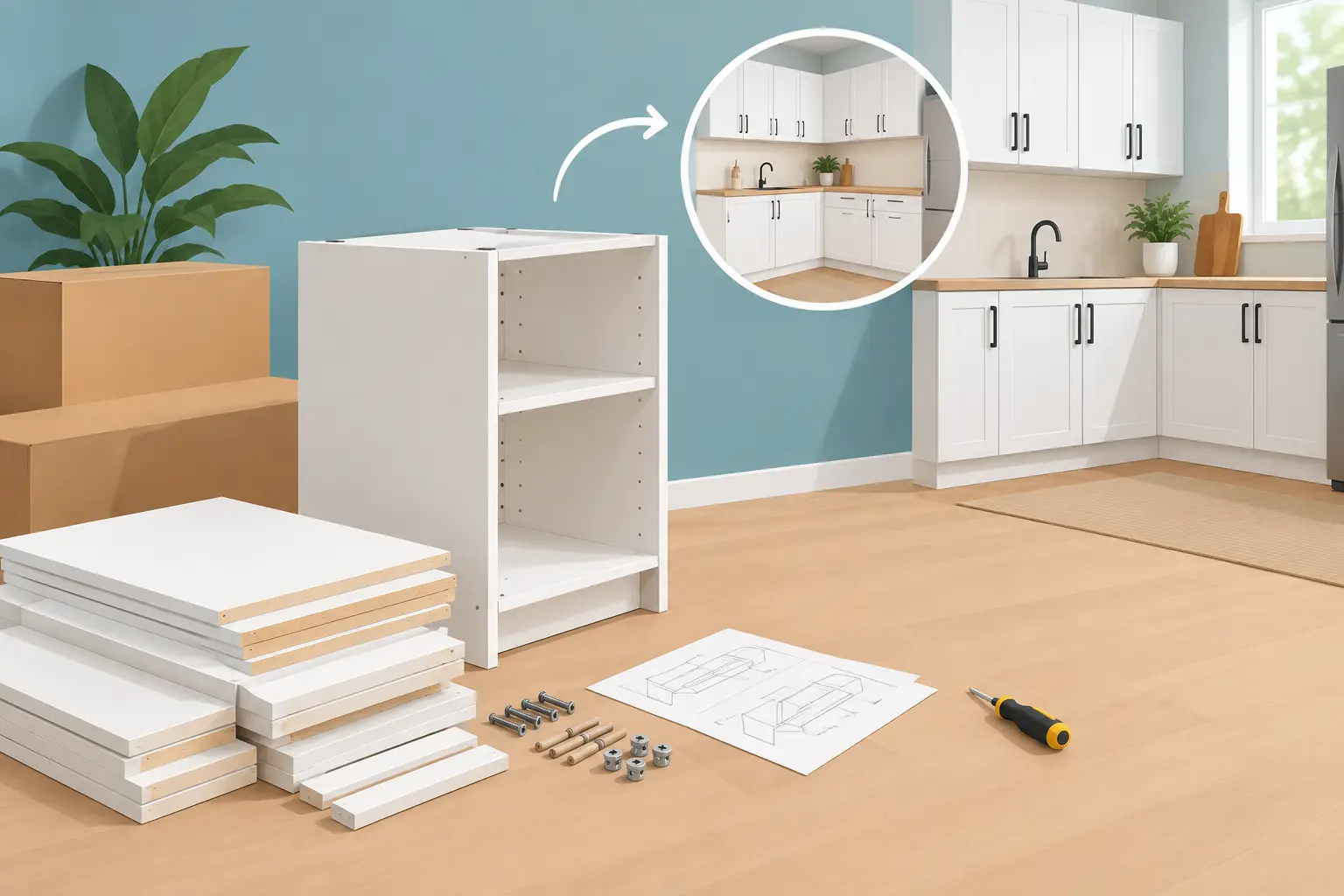

If you have started shopping for new cabinets, you have probably heard a designer or contractor mention the cabinet “carcass” and wondered whether that is just industry jargon for the box. In simple terms, what is kitchen cabinet carcass? It is the main cabinet body – the structural shell that holds everything together before doors, drawer fronts, shelves, and decorative finishes are added.
That might sound like a small detail, but it is not. The carcass does most of the hard work in your kitchen. It supports weight, helps cabinets stay square, affects how neatly doors and drawers line up, and plays a big role in how your kitchen holds up over time. If you are comparing cabinet options for a remodel, understanding the carcass can help you spot the difference between a cabinet that simply looks good in the showroom and one that performs well every day.
What Is a Kitchen Cabinet Carcass Made Of?
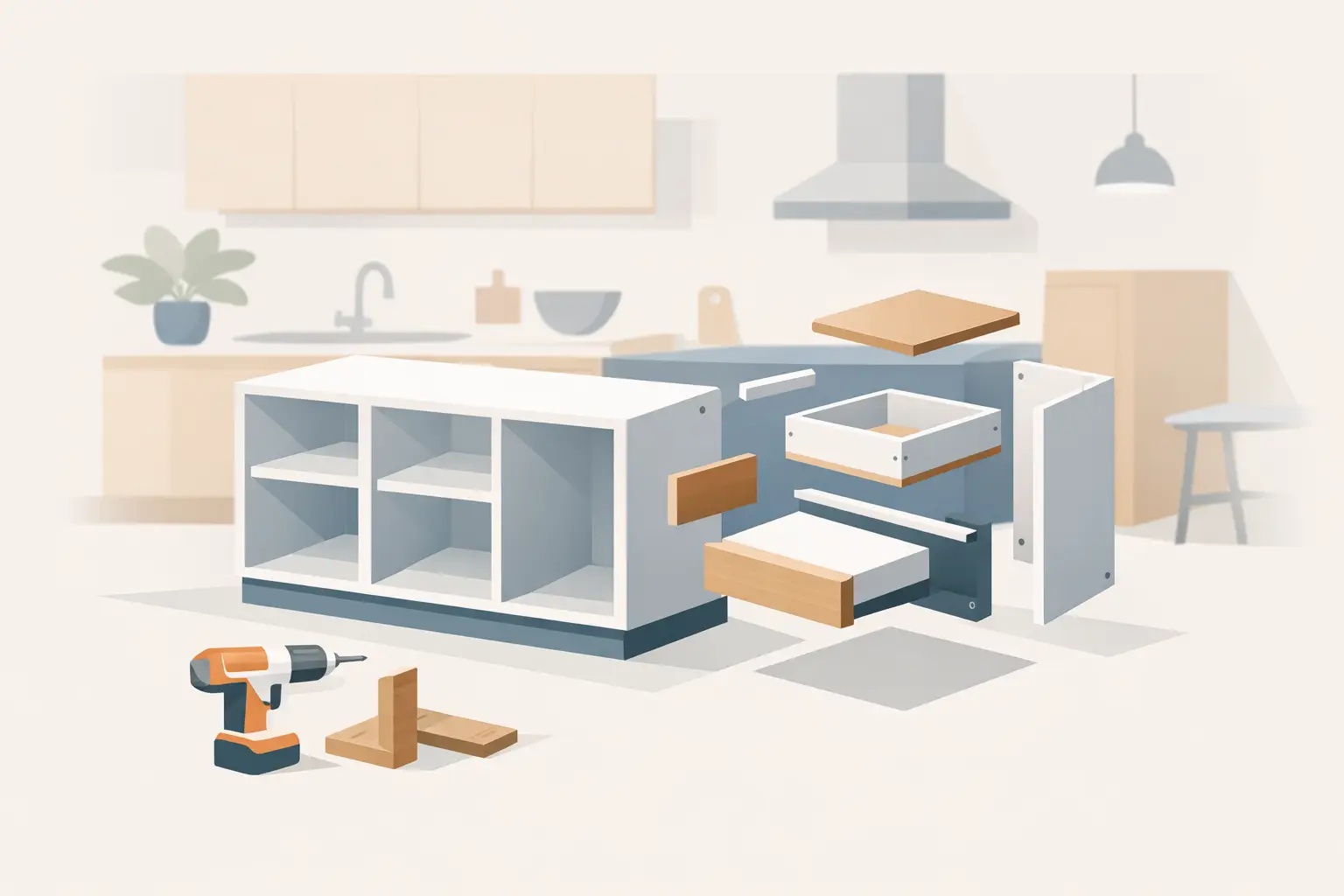
The cabinet carcass usually includes the side panels, bottom panel, top supports or top panel, back panel, and the joints that connect those pieces together. In some cabinet lines, it also includes a face frame on the front. In frameless cabinets, there is no face frame, so the box itself handles more of the structure and alignment.
Most cabinet carcasses are made from plywood, furniture board, or particleboard with a laminate or melamine finish. Each material has a place, and the right one depends on your goals, budget, and the room where the cabinets will be installed.
Plywood is often seen as the premium choice because it is strong, relatively light, and resists sagging well. It tends to perform especially well in kitchens where cabinets need to hold heavier loads like dishes, cookware, and small appliances. Furniture board or particleboard can also be a solid option when it is manufactured well and properly finished. In many affordable cabinet lines, it offers good value and a smooth, consistent surface. The difference is not just the material itself, but how thick it is, how well the edges are sealed, and how the box is assembled.
Why the Cabinet Carcass Matters More Than Most Homeowners Think
Cabinet doors get the attention because they are what you see first. Door style, color, and hardware shape the overall look of the room. But the carcass is what determines whether those cabinets stay sturdy after years of use.
A well-built carcass helps prevent common problems like sagging shelves, shifting boxes, drawer misalignment, and doors that stop closing properly. If the cabinet box is weak, moisture exposure, heavy use, or uneven floors can cause more noticeable wear sooner than expected.
This matters even more in busy family kitchens. If your base cabinets are holding stacks of plates, cast iron pans, countertop appliances, and pantry items, the carcass needs to handle real weight. It also matters in bathrooms, laundry rooms, and other areas where humidity can affect materials over time.
For homeowners trying to balance cost and quality, the carcass is one of the smartest places to look closely. A cabinet can have attractive doors and soft-close hinges, but if the cabinet box is underbuilt, the long-term value may not be there.
The Main Parts of a Cabinet Carcass
When people ask what is kitchen cabinet carcass, they are usually asking what parts count as the actual box. The answer is fairly straightforward.
The side panels form the vertical walls of the cabinet. The bottom panel supports the load inside. The back panel helps keep the box square and stable, especially once the cabinet is secured to the wall. The top section may be a full panel or support rails, depending on the cabinet style. Shelves are sometimes considered separate components, but they rely on the carcass for support. In framed cabinets, the face frame adds strength and creates the front opening for doors and drawers.
The joinery matters too. Staples, dowels, cam locks, screws, glue, and dado joints all affect how rigid the cabinet feels once installed. Better assembly methods usually create a stronger box with less movement over time.
Framed vs. Frameless Carcass Construction
One important difference in cabinet construction is whether the cabinet is framed or frameless.
Framed cabinets have a face frame attached to the front of the cabinet box. This is common in many traditional and transitional kitchen styles. The face frame adds rigidity and gives the cabinet a familiar, classic structure. It can also help with installation adjustments in older homes where walls are not perfectly straight.
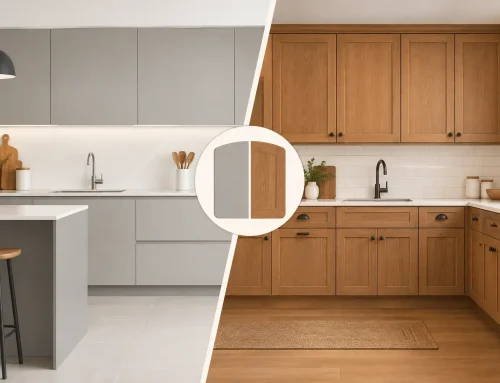
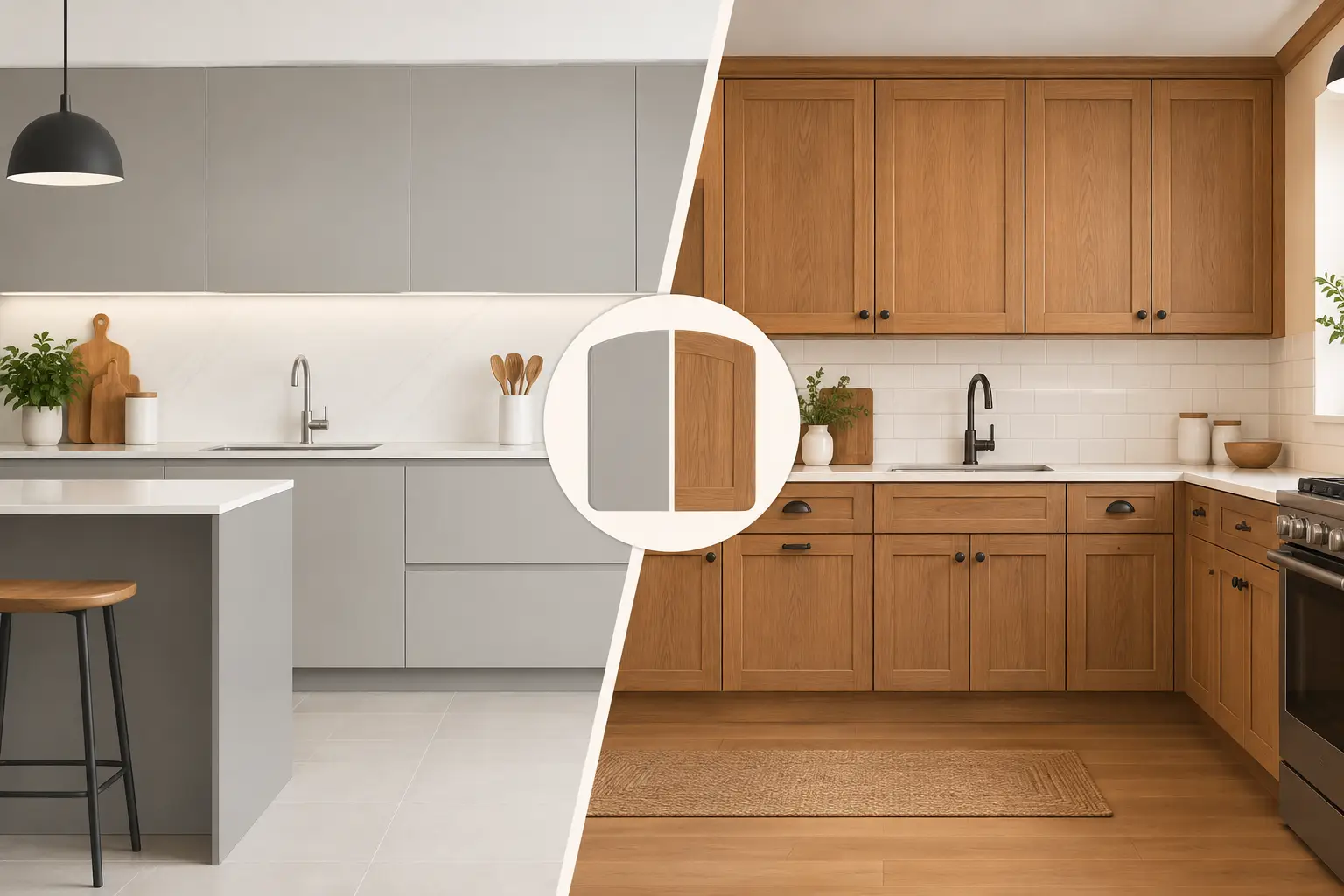
Frameless cabinets, often called European-style cabinets, do not use a face frame. The doors and drawers attach directly to the cabinet box. This can create a cleaner, more modern appearance and slightly more accessible interior space. Because there is no front frame adding support, the carcass itself needs to be manufactured with precision and strength.
Neither option is automatically better in every kitchen. It depends on the style you want, the cabinet line you choose, and how much interior access matters to you.
How to Judge Carcass Quality
Not every cabinet shopper needs to become a construction expert, but a few details can tell you a lot.
Start with panel thickness. Thicker side panels and backs generally indicate a sturdier cabinet, although thickness alone does not guarantee quality. Next, look at the back panel. A full or well-secured back usually adds more strength than a thin panel loosely attached. Ask how the corners and joints are assembled. Cabinets held together with quality joinery tend to stay square better than boxes that rely on minimal fastening.
Then consider the finish on the interior and edges. Sealed surfaces help protect against moisture, spills, and routine cleaning. This is especially important under sinks, near dishwashers, and in bathrooms.
Weight capacity is another useful clue. A cabinet intended for everyday kitchen use should be built to handle more than light decorative storage. If you are choosing between two cabinet lines that look similar from the outside, the carcass specs often explain the price difference.
Does the Carcass Affect Installation?
Absolutely. A good carcass makes installation smoother and the final result cleaner.
When cabinet boxes are square and consistent, installers can align runs more accurately, keep reveals even, and make doors and drawers sit properly. Poorly built boxes can slow down installation because they may need extra shimming, adjustment, or workarounds to make everything look right.
This is especially relevant in older homes around Greater Tampa Bay, where floors and walls are not always perfectly level. A quality cabinet carcass gives the installer a better starting point and helps the finished kitchen feel more solid.
Is a Plywood Carcass Always Worth It?
This is where the answer depends on your project.
If you want the highest level of durability, plan to stay in your home long term, or need cabinets that will handle heavy daily use, plywood is often worth strong consideration. It performs well and has a reputation for strength.
But that does not mean every homeowner needs to pay more for plywood in every situation. A well-made furniture board cabinet can still be a smart, cost-effective choice, especially when the cabinet line is reputable and the kitchen is designed thoughtfully. For many value-conscious remodels, the better question is not “plywood or nothing?” but “How well is this cabinet box built for my budget?”
That is where personal guidance matters. At The Cabinets Store, that conversation usually starts with how you use your kitchen, what style you want, and where you want to invest for the best return.
Common Misunderstandings About Cabinet Carcasses
One common misunderstanding is that the carcass is hidden, so it does not matter much. In reality, hidden parts are often the parts doing the most work.
Another is that all cabinet boxes are basically the same. They are not. Materials, thickness, assembly methods, and finish quality vary quite a bit across cabinet lines.
People also sometimes assume a more expensive door automatically means a better cabinet overall. Sometimes it does, but sometimes you are paying mainly for the exterior look. That is why it helps to compare the full construction, not just the visible style.
What to Ask Before You Buy
If you are evaluating cabinets for a kitchen remodel, ask what material the carcass is made from, how thick the panels are, what type of back panel is used, and how the box is assembled. Ask whether the cabinets are framed or frameless and why that line was designed that way. If moisture resistance matters in a specific area, ask how the interior surfaces and edges are protected.
A trustworthy cabinet provider should be able to explain these details clearly, without making the process feel complicated. You do not need a technical lecture. You just need enough information to feel confident that the cabinets you choose will look good and hold up.
When you hear the term again, you will know the answer to what is kitchen cabinet carcass – and more importantly, why it deserves your attention. The best cabinet choices are not just about the finish you fall in love with in the showroom. They are about the structure underneath, because that is what turns a good-looking kitchen into one that still feels solid years later.