
A lot of kitchen frustration starts at cabinet level. Doors that swing into each other, wasted corner space, not enough drawers where you actually need them, or a finish that looked great in a photo but feels too dark in your home. The best kitchen cabinets ideas solve those everyday problems first, then make the room look better.
If you’re planning a remodel in the Tampa Bay area, that matters even more. Kitchens here often need to handle heavy daily use, open-concept layouts, and a mix of style goals that range from bright coastal to warm transitional. Good cabinet decisions can make a smaller kitchen feel easier to move through, give a larger kitchen more purpose, and help your budget go further.
Kitchen cabinets ideas that improve how your kitchen works
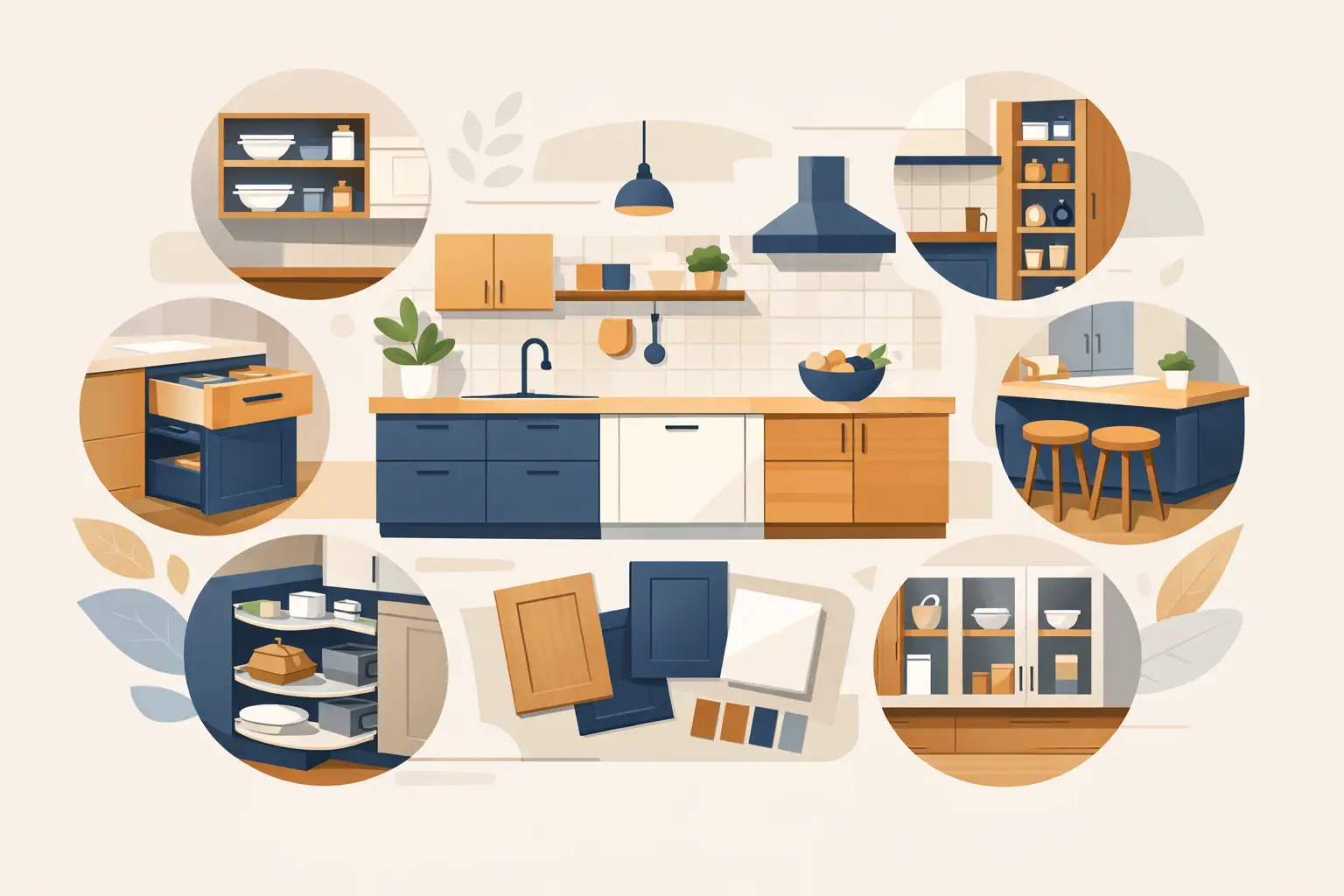
The most useful cabinet ideas are usually the ones you feel every day, not just the ones you notice at first glance. Deep drawer bases are a good example. Many homeowners still picture lower cabinets with shelves, but drawers are often a better choice for pots, pans, containers, and even dishes. You see everything at a glance, and you don’t have to kneel down and reach into the back.
Another strong idea is mixing cabinet types instead of repeating the same box everywhere. A bank of drawers by the range, a tray divider near the oven, and a pull-out trash cabinet by the sink create a kitchen that feels planned around real habits. This is where design guidance matters. A cabinet layout should fit how you cook, clean, and store groceries, not just fill a wall.
Pantry storage is another area where smart planning pays off. If you have room for a tall pantry cabinet, it can replace a lot of upper cabinet clutter and create better organization for food, small appliances, and serving pieces. If space is tighter, a slimmer pantry pull-out may be the better answer. The right option depends on your layout, but either one can make the kitchen feel more usable.
Style-focused kitchen cabinets ideas for a fresh look
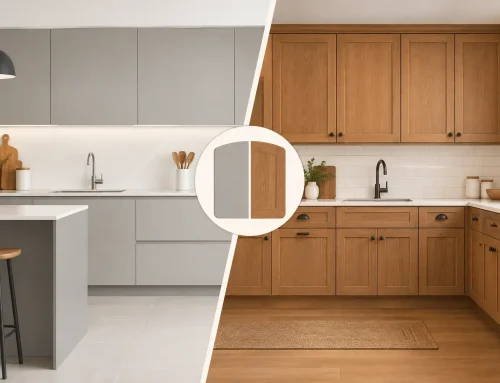
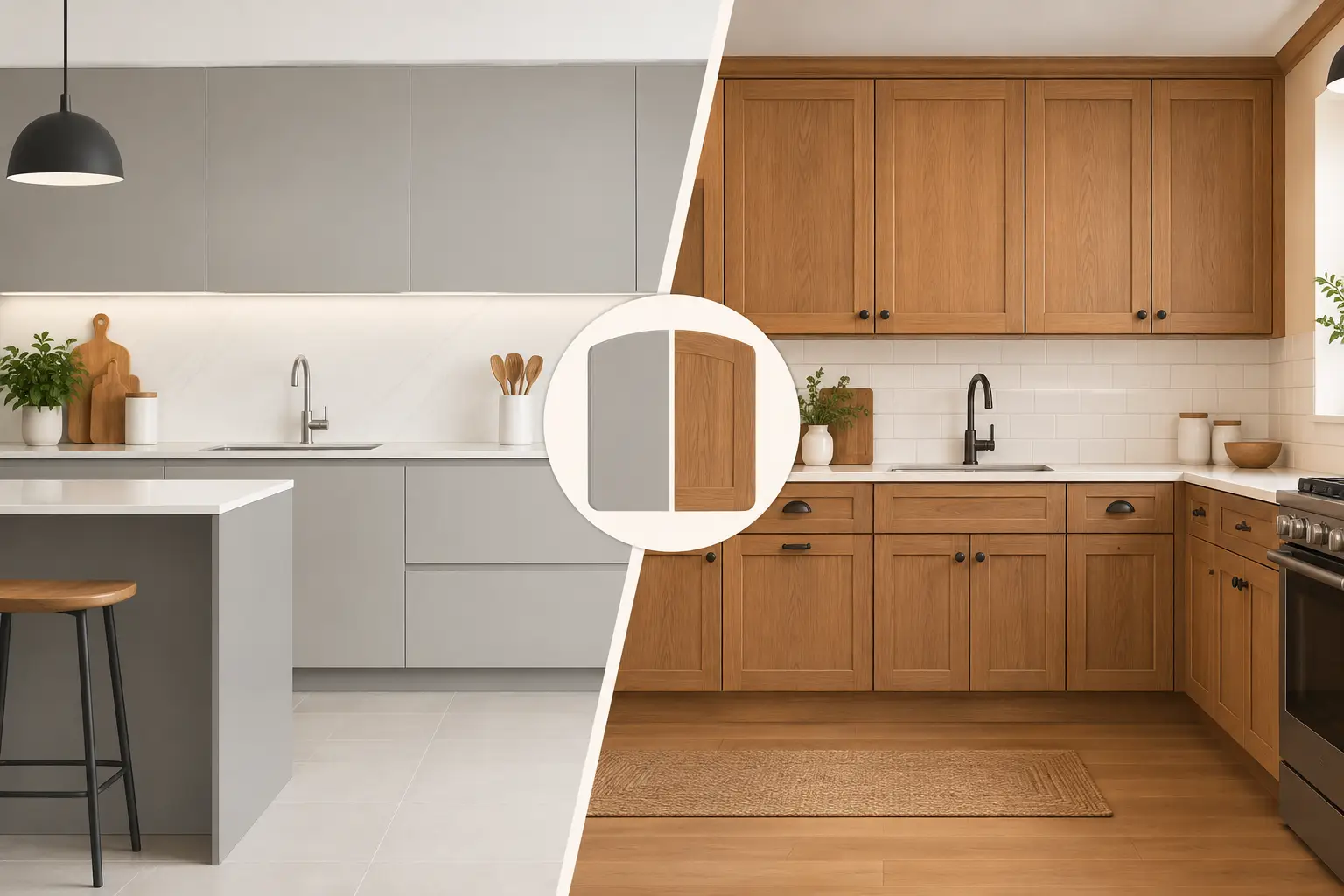
White cabinets remain popular for a reason. They reflect light, work well in both small and large kitchens, and pair easily with many countertop and flooring choices. But white is not the only safe choice anymore. Warm wood tones, soft greige finishes, muted blue islands, and light natural oak looks are all strong options if you want a kitchen with more personality.
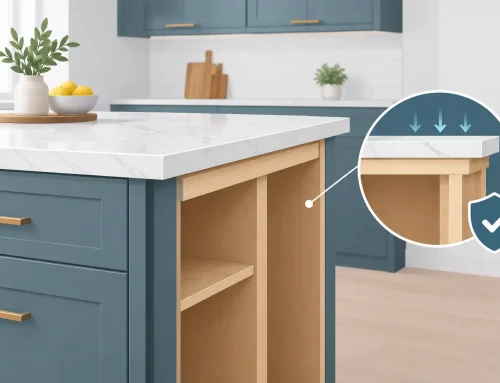
Two-tone cabinetry is one of the most practical style updates. Using one color for perimeter cabinets and another for the island or lowers can break up the room and keep it from feeling flat. It also gives you flexibility. You might choose bright uppers to keep the space open, then add depth with a darker island. The trade-off is that two-tone kitchens need a little more coordination, especially with countertops, backsplash, and flooring.
Door style matters just as much as color. Shaker cabinets continue to be a favorite because they are clean, versatile, and not locked into one trend. They work in transitional, modern farmhouse, and even more contemporary kitchens depending on the finish and hardware. Raised-panel doors can feel more traditional and formal. Slab doors give a smoother, more modern look. None is automatically better. It depends on the overall style of your home and how current you want the kitchen to feel five years from now.
Don’t overlook cabinet height and proportion
One of the simplest ways to improve a kitchen is to stop treating cabinet sizing like a default setting. Cabinets that run to the ceiling can make the room look taller and more finished. They also eliminate the dusty gap above standard-height uppers. In many homes, especially those with open sightlines, this small change makes the whole kitchen look more custom.
That said, full-height cabinetry is not always the right move. If ceilings are very high, the top cabinets may become hard-to-reach storage for things you rarely use. In that case, stacked cabinets or a combination of open wall space and taller uppers can give you a better balance. Good design is rarely about choosing the most dramatic option. It’s about choosing the option that makes sense in your space.
Storage upgrades that are worth it
Some cabinet upgrades sound nice in a showroom but do not make much difference once you get home. Others earn their keep every single day. Roll-out shelves are one of the best examples of a practical upgrade. They make base cabinets easier to use and help prevent food containers, cookware, or cleaning supplies from disappearing into the back.
A drawer microwave cabinet can also be a smart choice if you want cleaner sightlines and more functional counter space. The same goes for a built-in trash and recycling pull-out. It keeps a necessary item out of view and places it where you need it most.
Corner solutions deserve careful thought too. Lazy Susans still have their place, but they are not the only answer. Depending on the cabinet line and the size of the kitchen, a blind corner pull-out or a different layout altogether may work better. Corner cabinets are one of those areas where a small planning mistake can create years of annoyance.
If your budget is tight, prioritize upgrades that affect daily use over decorative extras. Soft-close doors and drawers, better drawer storage, and smart trash placement usually bring more long-term value than adding highly specialized organizers everywhere.
Kitchen cabinets ideas for small kitchens
Small kitchens need cabinets that do more with less. Lighter finishes can help the room feel more open, but layout matters just as much as color. In a compact kitchen, every cabinet should justify its footprint.
Drawers often outperform lower shelves in smaller spaces because they reduce wasted depth. Glass-front cabinets can add visual openness, but use them carefully. They look best when the contents stay neat. Open shelving can create a lighter feel too, although it usually gives you less hidden storage and more surfaces to keep clean.
Another effective move is reducing visual heaviness. That might mean using fewer upper cabinets on one wall, adding a pantry cabinet instead of several smaller boxes, or choosing simpler hardware and door profiles. A small kitchen can still have character, but too many competing details can make it feel crowded.
How to balance budget with better cabinet choices
Not every kitchen needs fully custom cabinetry to look well designed. For many homeowners, a semi-custom or stock cabinet line with the right modifications is the sweet spot. You get a strong range of styles, finishes, and storage features without stretching into a budget that no longer feels comfortable.
This is where it helps to be realistic about priorities. If cabinet quality and layout matter most, you may choose a simpler door style and spend more on function. If visual impact is your top goal, you may invest in an island color, taller uppers, or upgraded hardware while keeping interior accessories selective.
It also helps to think about the whole project, not just the cabinets in isolation. Countertops, flooring, backsplash, and lighting all affect how cabinetry reads in the room. A cabinet finish that looks plain on a sample door can look excellent once the rest of the kitchen comes together. Homeowners often save money and avoid regrets when they make these decisions as part of one coordinated plan instead of piece by piece.
A few design directions that keep showing up
Right now, many homeowners are asking for kitchens that feel lighter, warmer, and less stark than the all-gray spaces of previous years. Painted cabinets still have a strong place, especially in white and soft neutrals, but wood tones are returning in a big way. Natural-looking finishes can make a kitchen feel grounded and more timeless.
There is also a growing preference for kitchens that feel less uniform. That could mean a stained island with painted perimeter cabinets, a furniture-style vanity feel carried into the kitchen, or a mix of closed storage and selective display space. The goal is not to make the kitchen busy. It is to make it feel more considered and less like every cabinet came from the same default setting.
For homeowners who want a practical place to start, focus on three questions. Do you need more storage, better workflow, or a style update that makes the room feel current? Most kitchen cabinet decisions fall into one of those categories, and the best remodels usually address all three without losing sight of budget.
At The Cabinets Store, we see this every day. The cabinets that work best are not always the trendiest or the most expensive. They are the ones chosen with the layout, the home, and the homeowner’s routine in mind.
A good kitchen should make everyday tasks easier and make the room feel like it belongs in your home. If your cabinet ideas do both, you’re on the right track.