

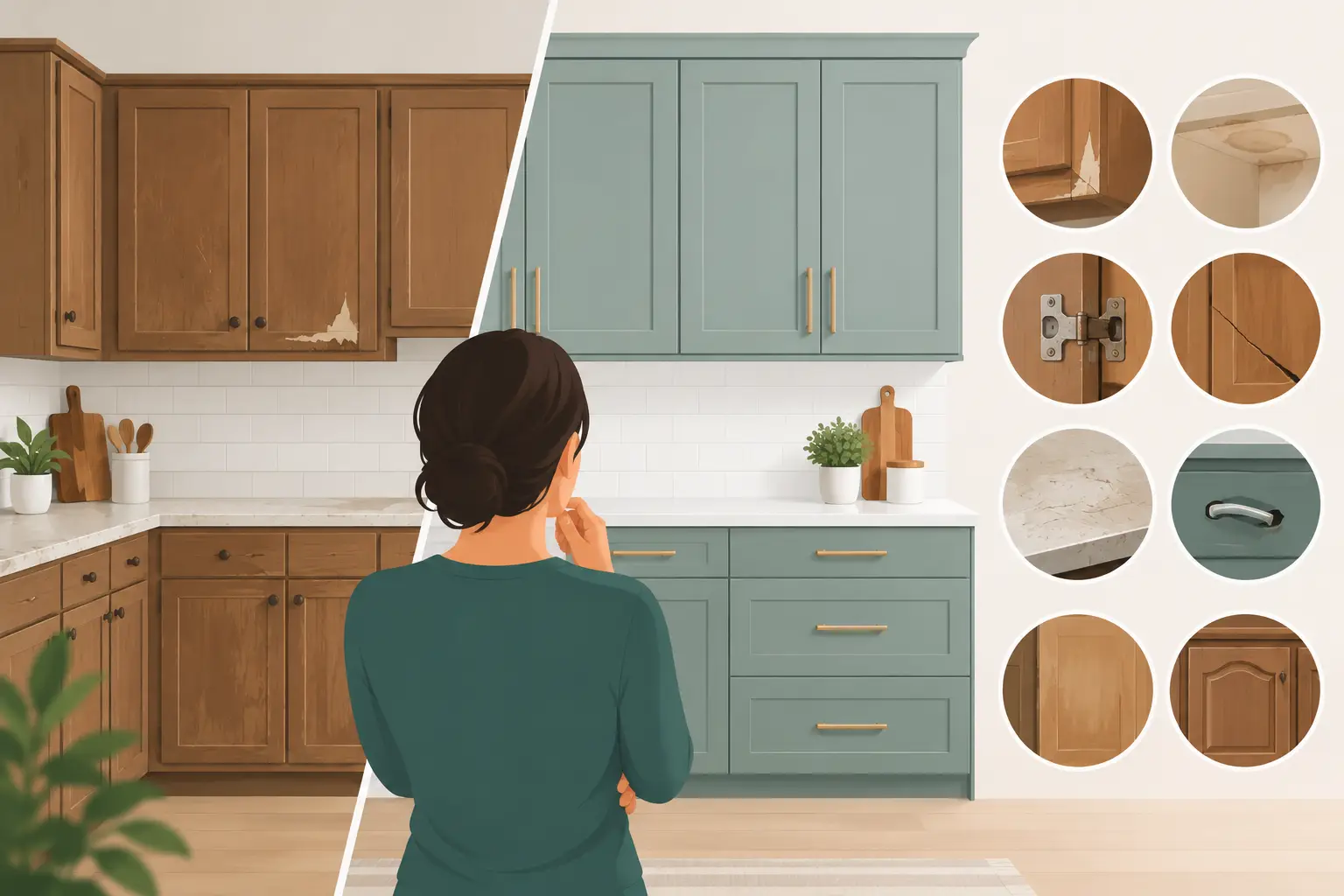
A cabinet door that will not stay closed, a drawer that sticks every morning, or a swollen panel beneath the sink can turn a kitchen or bathroom into a daily frustration. If you are asking when should cabinets be replaced, the answer is rarely based on age alone. The real question is whether the cabinets are still structurally sound, functional for your household, and worth the cost of continued repairs.
For Tampa Bay homeowners, moisture matters too. Humidity, plumbing leaks, and years of use can take a larger toll on cabinetry than a dated door style ever will. Some cabinets need a complete replacement. Others may be good candidates for new doors, hardware, or a focused repair. Knowing the difference helps you invest wisely.
When Should Cabinets Be Replaced Instead of Repaired?
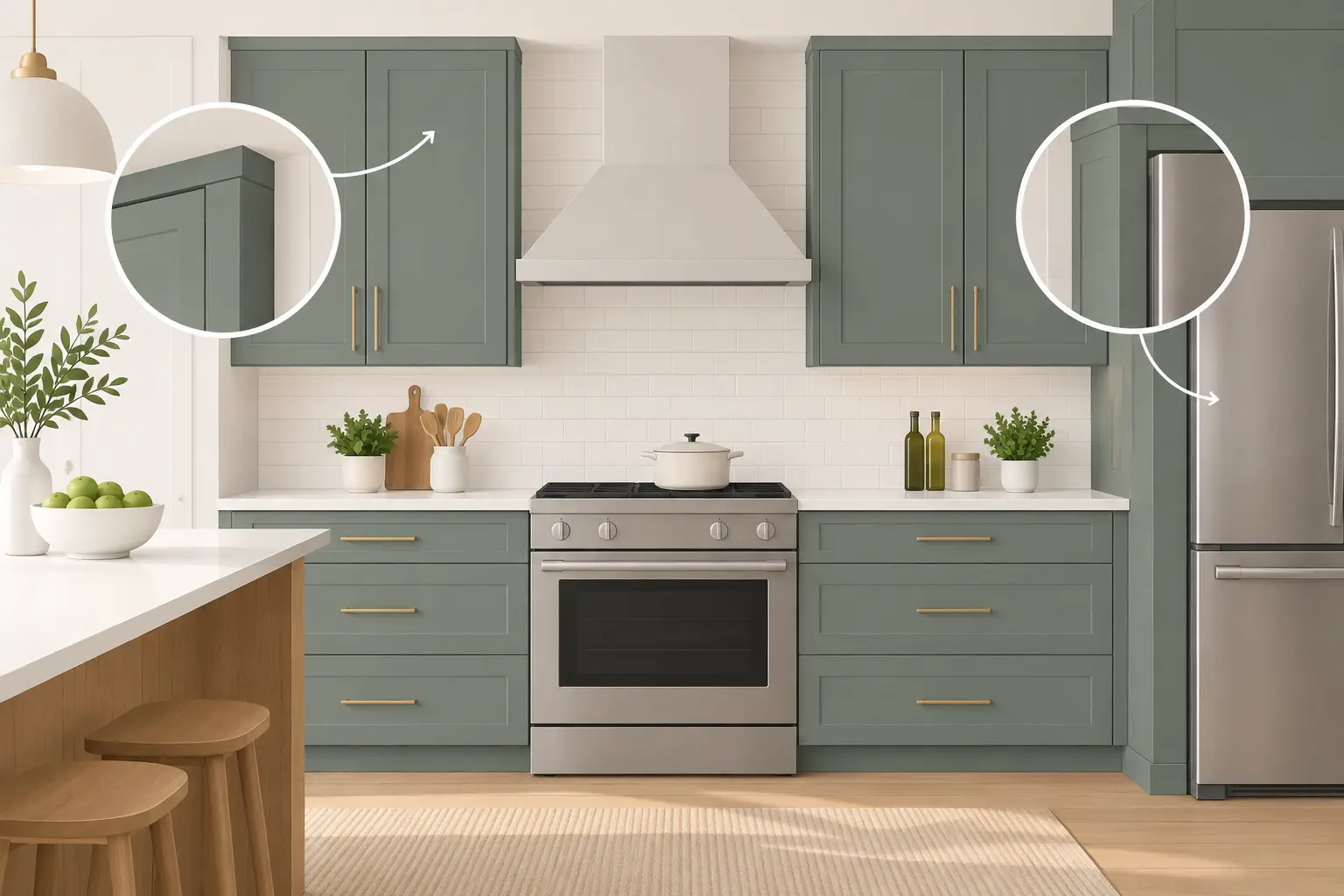
Cabinets should usually be replaced when the cabinet boxes, also called the frames or carcasses, have failed. A new coat of paint or replacement doors can improve appearance, but they cannot correct serious water damage, sagging construction, or an impractical layout.
Replacement also makes more sense when several problems are happening at once. If drawers are failing, doors are misaligned, shelves are bowing, and the kitchen lacks storage, paying for one repair after another can become a poor value. A well-planned cabinet replacement lets you solve the underlying issues in one project.
1. Water Damage Has Reached the Cabinet Boxes
Water damage is one of the clearest reasons to replace cabinets. Check beneath the kitchen sink, around the dishwasher, near refrigerator water lines, and inside bathroom vanities. Swollen particleboard, peeling laminate, soft spots, bubbling finishes, and a musty odor all point to moisture intrusion.
A small plumbing leak caught early may allow for a limited repair. But when water has caused the bottom or sides of a cabinet to expand and weaken, the material generally will not return to its original strength. In a bathroom, recurring moisture can also lead to mold concerns behind the cabinet or against the wall. Before installing new cabinetry, the leak and any damaged surrounding materials should be addressed.
2. Cabinets Are Loose, Sagging, or Pulling Away From the Wall
Wall cabinets should feel secure. Base cabinets should sit level and support countertops without movement. If cabinets are pulling away from the wall, separating at seams, leaning, or showing cracked frames, this is more than a cosmetic concern.
Sometimes loose mounting screws can be corrected, particularly in a newer installation. However, widespread movement may signal weakened cabinet construction, water damage, poor original installation, or changes in the wall and floor. A professional assessment can determine whether the boxes can be safely resecured or whether replacement is the better long-term choice.
3. Drawers and Doors No Longer Work Reliably
One sticky drawer is not necessarily a reason to start a remodel. Hardware can wear out, hinges can be adjusted, and drawer slides can often be replaced. The concern grows when the problems are widespread or when the cabinet material itself is failing.
Doors that will not stay aligned, drawers that fall off their tracks, broken corners, and stripped screw holes can indicate that the boxes are too weak for hardware repairs to hold. Modern cabinets can also provide meaningful upgrades in daily use, including soft-close hinges, full-extension drawers, pullout trays, and better access to deep corners.
4. The Cabinet Layout Does Not Fit How You Live
A kitchen can have cabinets that are physically intact but still make everyday life harder than it needs to be. Common examples include too little pantry space, unusable corner cabinets, narrow drawers, a lack of trash storage, or countertops crowded by appliances with no designated home.
Bathrooms face similar challenges. A vanity with limited drawer space, no outlet access, or poor use of the room’s footprint may be a constant inconvenience. If your family has changed, you cook more at home, or you are planning to age in place, replacing cabinets can be an opportunity to design for the way you actually use the space.
This is where replacement differs from a simple cosmetic update. New cabinetry can change storage, workflow, countertop space, and accessibility. It may also support a larger kitchen or bathroom renovation involving new flooring, countertops, lighting, or plumbing fixtures.
5. You See Persistent Signs of Pest Damage
Small holes, sawdust-like debris, chewed areas, or droppings inside cabinets deserve attention. Pest problems should always be treated at the source first. Once that work is complete, inspect the cabinets for structural damage.
Minor surface marks may be repairable. Cabinets with extensive damage to the frame, shelves, or toe kicks may need replacement, especially if the affected materials are difficult to clean or have lost their strength. New cabinets offer a clean start, but only after the infestation and entry points have been resolved.
6. The Finish Is Worn Beyond a Simple Refresh
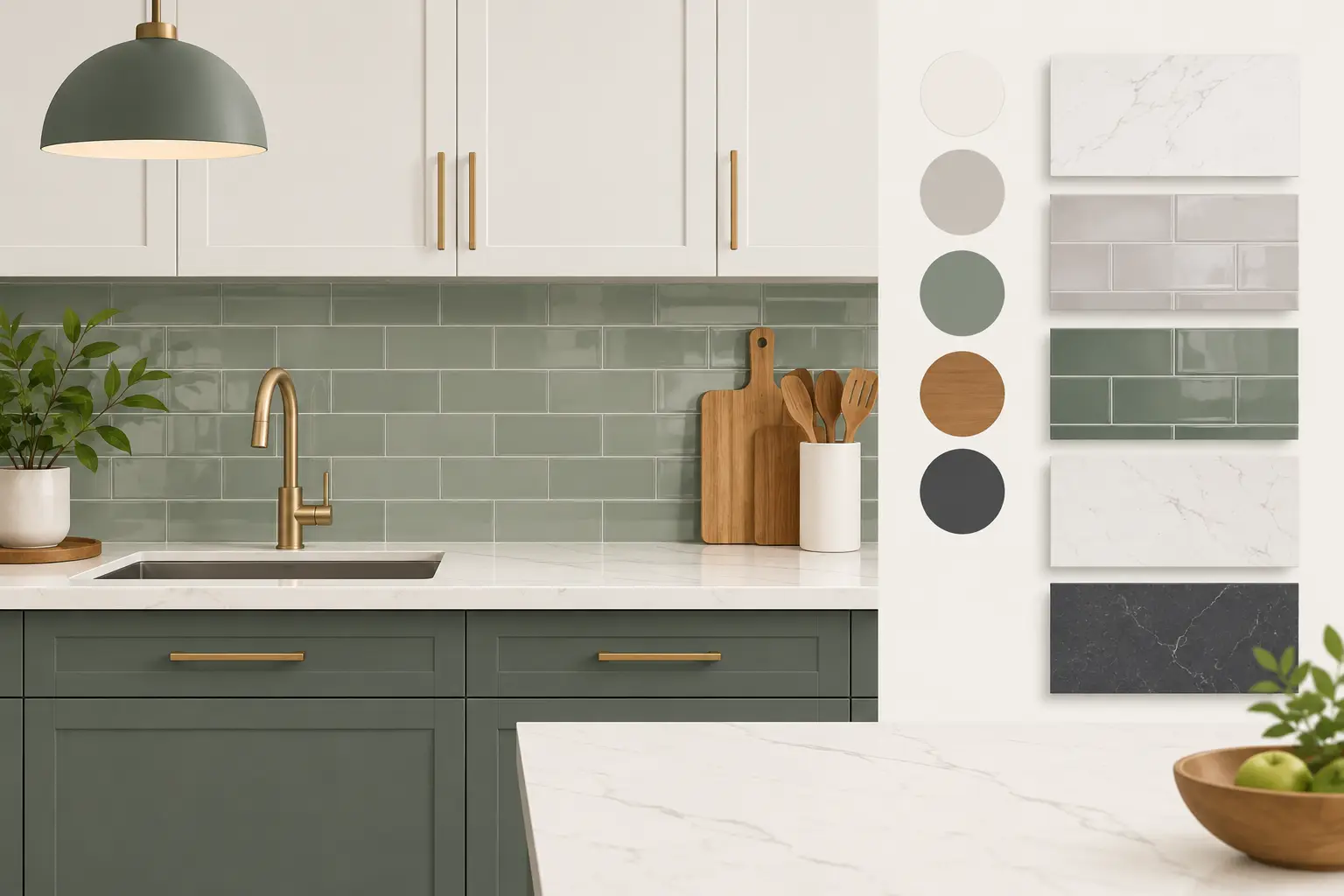
Faded finishes, scratched doors, and dated hardware do not automatically require new cabinets. If the cabinet boxes are solid wood or sturdy plywood, refinishing, painting, refacing, or replacing doors may offer a cost-conscious update.
Replacement becomes more practical when the finish problems come with peeling veneer, chipped thermofoil, swollen laminate, cracked doors, or deteriorating edges throughout the room. These issues are especially common in lower-quality cabinets exposed to heat and moisture over many years. A cosmetic solution may look good initially but can disappoint if the underlying materials continue breaking down.
7. You Are Replacing Countertops and the Existing Cabinets Cannot Support Them
Countertop plans can influence the cabinet decision. Natural stone, quartz, and other heavier materials require a stable, level cabinet base. Installing a beautiful new countertop over weak, uneven, or water-damaged cabinets can create avoidable risk and may limit your warranty options.
If the cabinets are solid, a countertop update may work well. If they are not level, have sagging rails, or show damage around the sink base, it is often smarter to replace the cabinets before new tops are measured and installed. This avoids paying twice for countertop removal and reinstallation later.
8. Repair Costs Are Starting to Compete With Replacement Value
The lowest upfront cost is not always the best value. Consider the full scope of what the room needs: hardware repairs, new doors, refinishing, plumbing repairs, storage additions, and possible countertop changes. If those items add up while leaving you with an outdated or inefficient layout, replacement may give you more lasting results.
That said, replacement is not automatically the right choice for every budget. Homeowners preparing for a near-term sale, updating a rental, or working with sound cabinet boxes may benefit from targeted improvements. The best path depends on the cabinet condition, your renovation goals, and how long you expect to enjoy the home.
How Long Do Kitchen and Bathroom Cabinets Usually Last?
Quality cabinets can last 20 to 30 years or longer with proper installation and care. Lower-cost cabinets made with thinner particleboard may show wear sooner, particularly around sinks, dishwashers, and bathroom plumbing. Cabinet age is useful context, but it should not be the deciding factor.
A 25-year-old cabinet that is dry, level, and structurally sound may be worth refreshing. A 10-year-old cabinet that has suffered a long-term leak may need replacement. Material quality, installation, maintenance, and moisture exposure tell a more accurate story than a calendar does.
What to Do Before Choosing New Cabinets
Start by looking beyond the doors. Open every cabinet and drawer, inspect the sink base, check for soft or swollen material, and watch for movement at the wall and floor. Make note of what frustrates you most, whether that is insufficient storage, difficult access, damaged finishes, or a layout that no longer works.
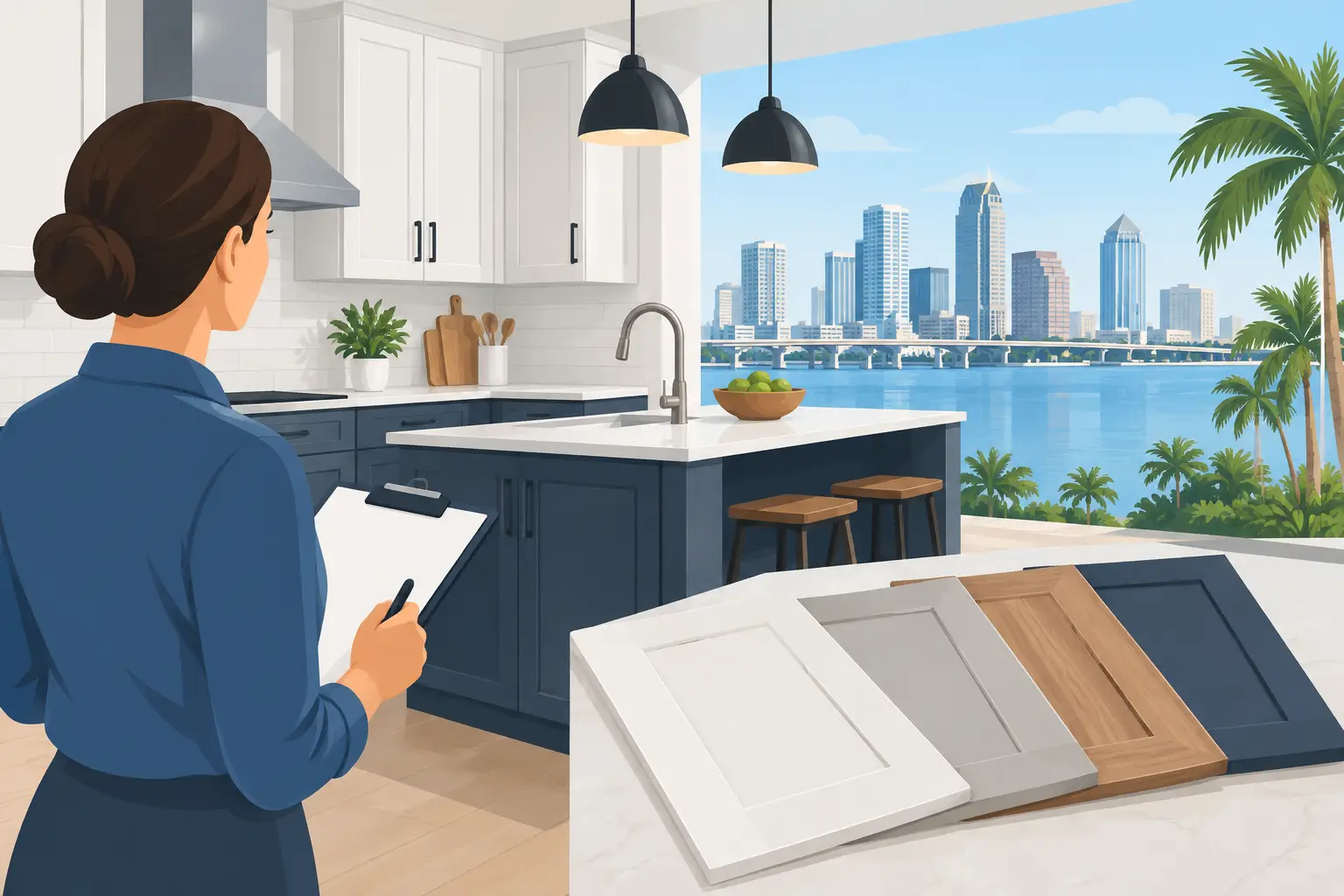
Then think about the entire room. Cabinet dimensions affect countertop measurements, flooring transitions, appliance placement, lighting, and plumbing. A design consultation can help you compare repair, refacing, and full replacement based on real measurements rather than guesswork. For homeowners who want one team to coordinate cabinetry and the surrounding renovation work, The Cabinets Store can help simplify those decisions from design through installation.
The right time to replace cabinets is not simply when they look old. It is when their condition or layout is holding back the comfort, function, and value of your home. A clear plan built around how you live can turn an overdue cabinet decision into a kitchen or bathroom you will enjoy using every day.




Leave A Comment
You must be logged in to post a comment.