
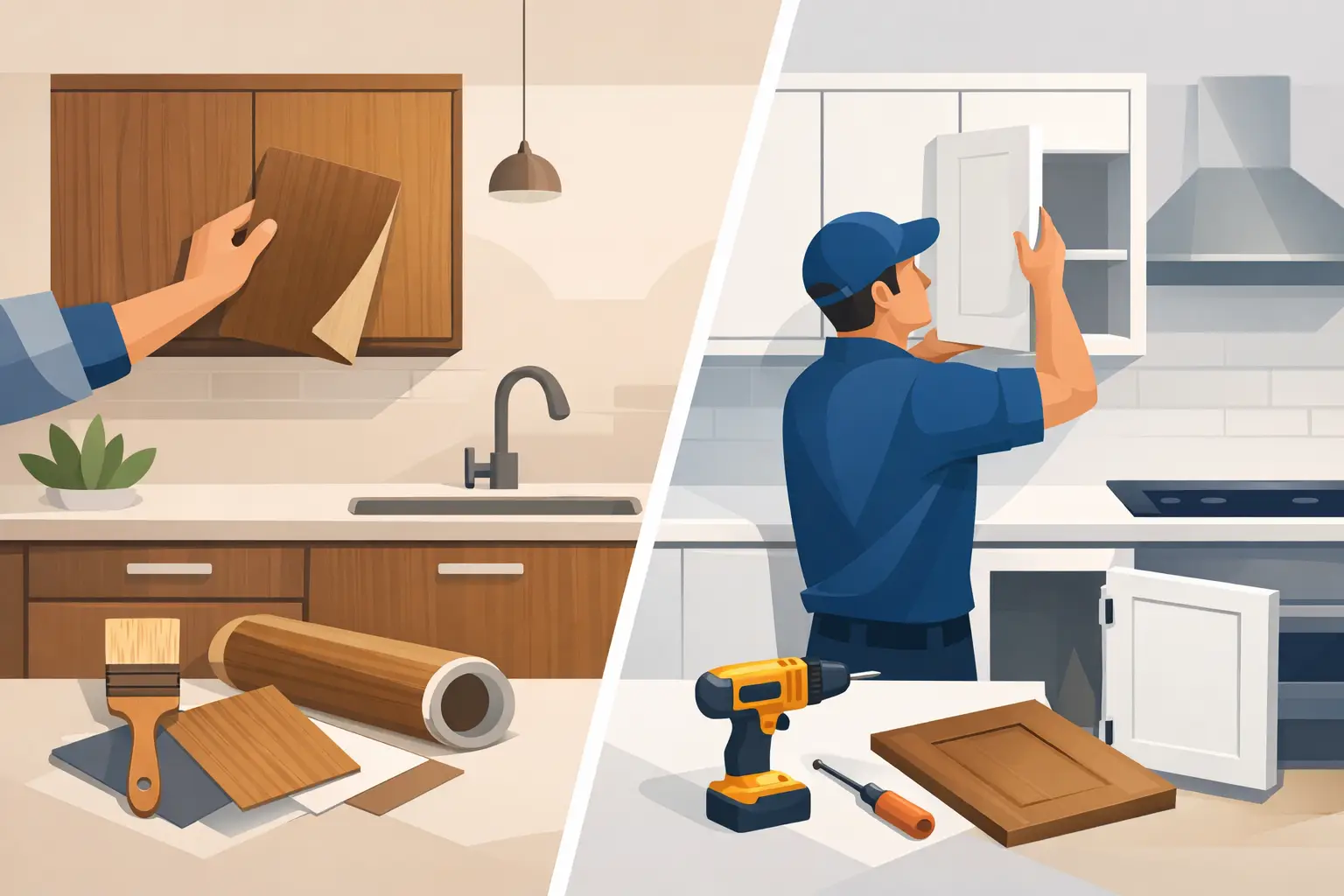
A kitchen can look dated long before it stops working. Worn door finishes, shallow drawers, awkward storage, and a layout that no longer fits your family can all make you question what to do next. When weighing cabinet refacing vs replacing, the right answer comes down to more than the look of the doors. It depends on the condition of the cabinet boxes, how much you want to change, and what you need the room to do better.
For some Tampa Bay homeowners, refacing provides a smart visual upgrade without the cost and disruption of a full cabinet installation. For others, replacement is the better investment because it solves problems that new doors simply cannot hide. Understanding the difference before you choose helps you spend your renovation budget where it will make the biggest impact.
What Cabinet Refacing Actually Changes
Cabinet refacing keeps your existing cabinet boxes in place. The visible exterior surfaces are covered with a new wood veneer, laminate, or similar finish, while the old cabinet doors and drawer fronts are replaced. New hardware is usually part of the project, too.
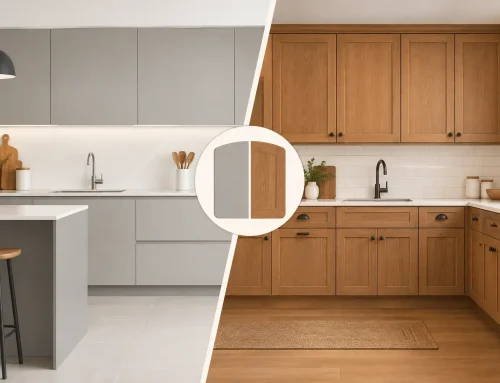
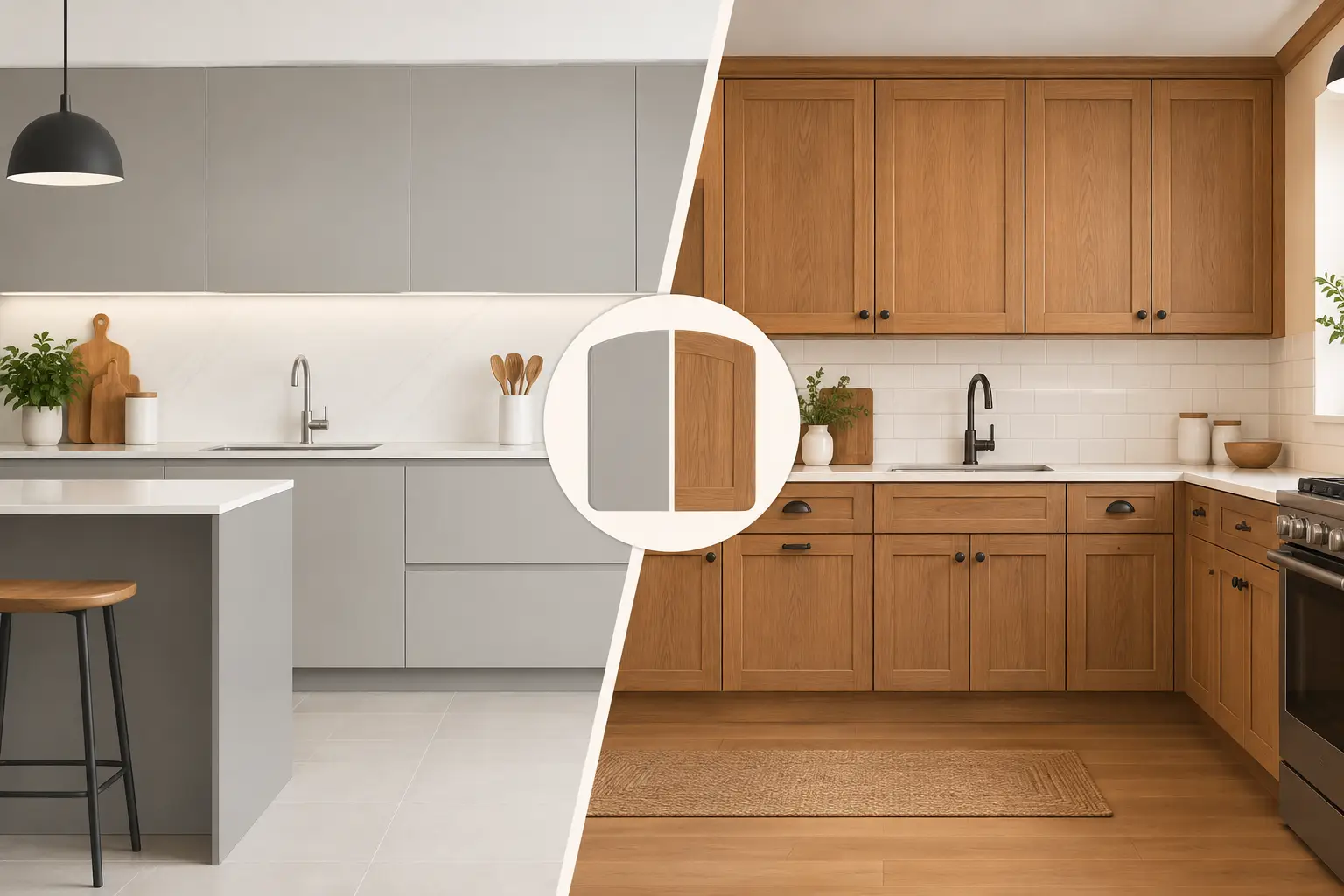
The result can be dramatic. A kitchen with solid, well-built boxes can move from dated oak doors to clean white shaker cabinets, warm wood tones, or a more contemporary slab-door style without removing the entire cabinet system. Refacing can also be a practical choice when you like your kitchen’s current layout and want to preserve countertops, flooring, or a backsplash that are still in good shape.
It is not the same as painting cabinets. Painting updates the existing surfaces, including the doors. Refacing replaces the doors and drawer fronts and gives the face frames and exposed cabinet ends a new finish, creating a more complete transformation.
Cabinet Refacing vs Replacing: The Core Difference
The biggest distinction is simple: refacing changes the appearance of cabinetry, while replacement changes both the appearance and the cabinet system itself.
New cabinets give you the opportunity to select new box construction, drawer hardware, interior storage, door styles, finishes, and dimensions. They also make it possible to adjust the layout. You might add a pantry, build an island, extend cabinets to the ceiling, create room for a larger refrigerator, or improve an inefficient work area.
Refacing offers fewer structural options. You may be able to add select accessories or replace old drawer slides, but the cabinet openings, basic footprint, and box dimensions remain largely the same. If your biggest frustration is that you do not have enough storage or counter space, refacing may leave the underlying issue untouched.
When Refacing Is a Good Fit
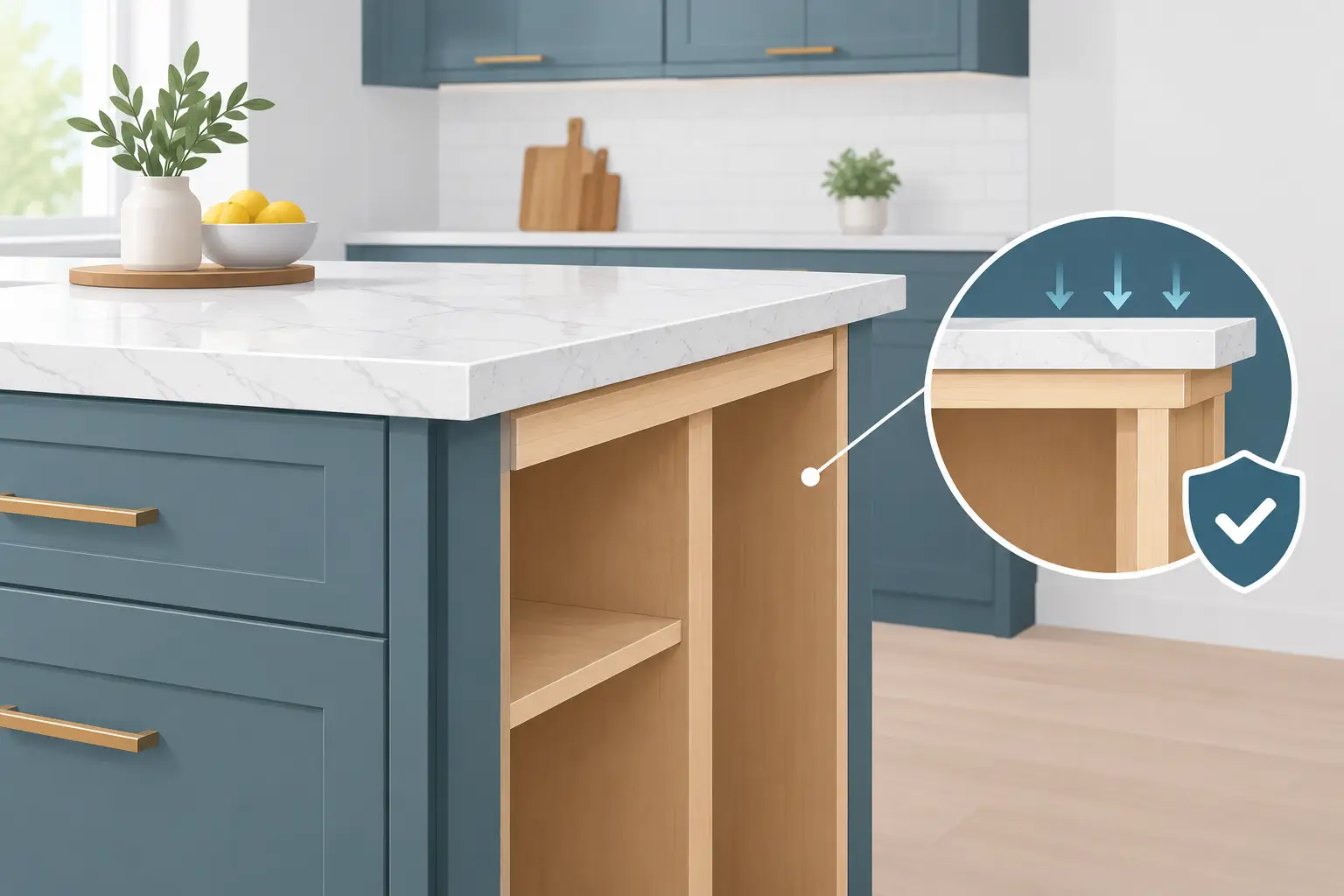
Refacing tends to make sense when your cabinet boxes are sturdy, level, and free from significant damage. The doors may be worn, the style may feel stuck in another decade, and the hardware may no longer function well, but the foundation needs to be sound.
It can be a strong choice if you want to keep the same kitchen layout, avoid major demolition, and refresh the room on a more controlled budget. It is also helpful when countertops, appliances, and flooring are staying put. Because fewer components are removed, refacing may involve less disruption than a full replacement project.
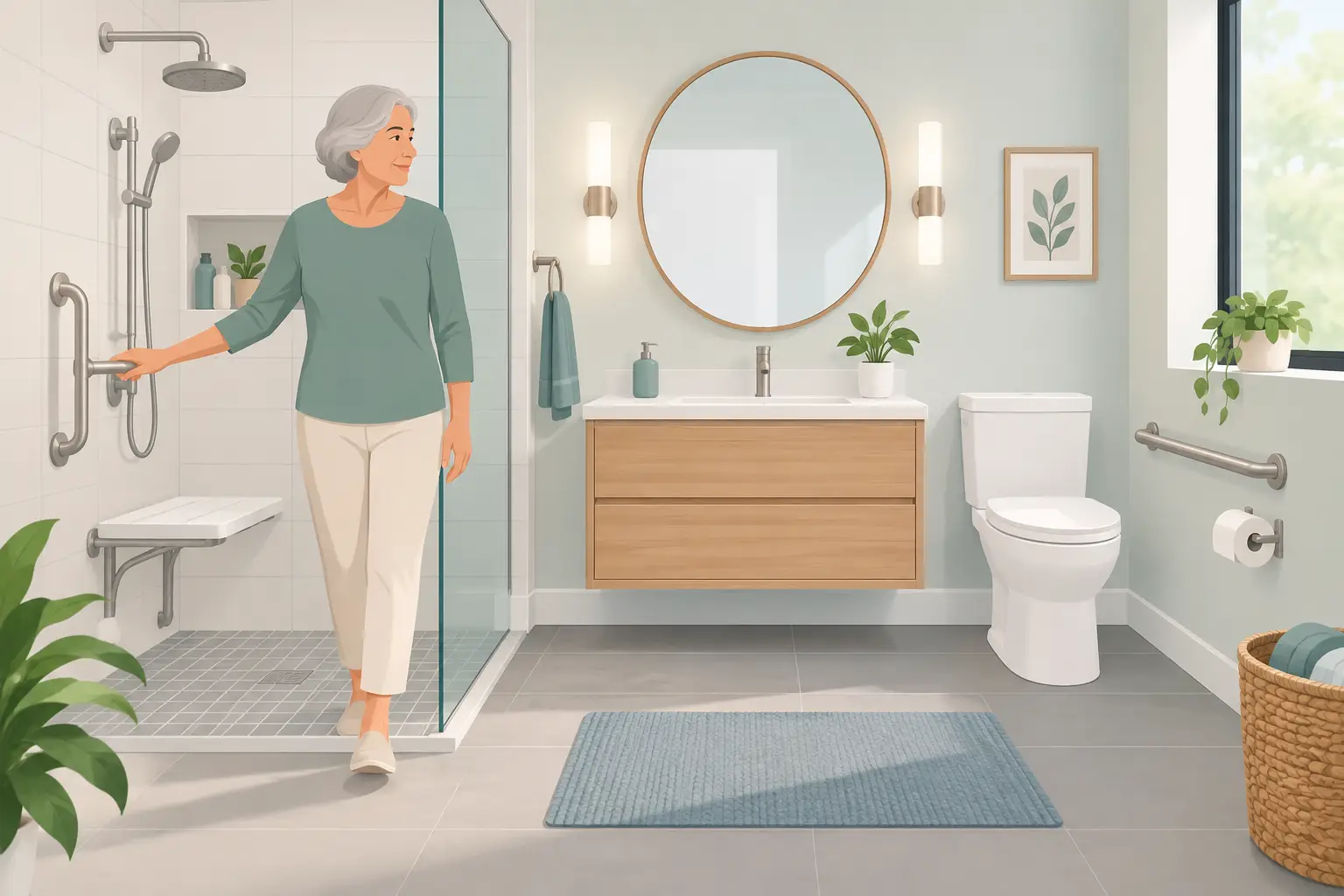
A bathroom vanity can sometimes be refaced under similar conditions. Still, bathrooms deserve a careful inspection. Moisture damage around the sink base, floor-level swelling, or deteriorated material near plumbing can make replacement the more dependable solution.
When Replacing Cabinets Is Worth It
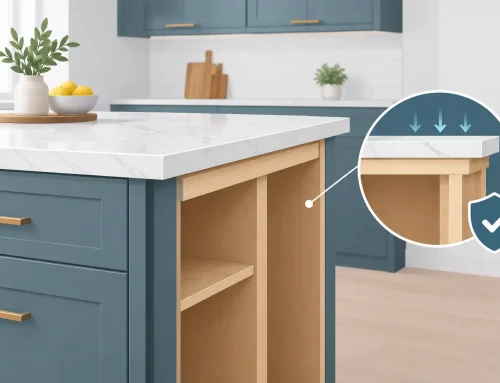
Replacement is usually the better path when cabinet boxes are soft, warped, water-damaged, poorly constructed, or no longer securely fastened. In Florida homes, long-term humidity, plumbing leaks, and moisture around sinks can take a real toll on cabinet materials. A fresh door style cannot correct swollen particleboard, failing shelves, or deteriorating toe kicks.
Replacement is also the clear choice when you are changing the room’s layout. Moving a sink, adding an island, opening a wall, changing appliance locations, or redesigning a cramped bathroom requires cabinetry that fits the new plan. Starting with new cabinets lets you design around how you actually live instead of trying to work around old limitations.
Consider replacement if storage is a daily frustration. Deep drawers for pots, pull-out trash storage, tray dividers, roll-out shelves, spice pull-outs, and better corner-cabinet solutions can change how a kitchen functions. These upgrades are easier to plan into new cabinetry than to force into boxes that were built decades ago.
Look Beyond the Initial Price
Refacing is often less expensive than replacing cabinets because it uses the existing boxes and requires less installation labor. But lower upfront cost does not automatically mean better value.
If your boxes have only a few more years of useful life, spending money to reface them may postpone a larger project rather than solve it. On the other hand, replacing cabinets when your existing boxes are truly solid can direct budget away from other high-impact priorities, such as a new countertop, improved lighting, flooring, or better appliances.
Your project scope matters as much as the cabinet selection. A full kitchen remodel may include demolition, electrical work, plumbing changes, drywall repair, flooring, countertops, backsplash installation, and painting. In that setting, replacing cabinets can make sense because the room is already being rebuilt around them. If you are making a targeted cosmetic update, refacing may offer more value.
Be cautious when comparing quotes. Ask what is included in the price: door and drawer-front replacement, cabinet-end panels, hardware, drawer-slide upgrades, installation, removal of old materials, trim work, and any needed repairs. A clear scope helps you compare real project costs rather than headline numbers.
How Your Timeline Can Influence the Decision
Refacing can generally be completed faster than a full cabinet replacement because the existing cabinet boxes remain in place. That can be appealing when you want to reduce downtime in a busy kitchen or avoid an extended disruption before the holidays or a family event.
Still, speed should not become the only deciding factor. Cabinet replacement may take longer, particularly when it includes layout changes and coordinating countertops, flooring, plumbing, or electrical work. Yet it can also prevent the frustration of living with the same awkward layout after investing in a major visual update.
A well-planned remodel has a sequence. Cabinets affect countertop measurements, appliance clearances, plumbing locations, and backsplash decisions. Getting the design right early is often more valuable than rushing into the fastest available option.
Questions to Ask Before Choosing
Before committing to refacing or replacement, look closely at what is bothering you about your current space. If the answer is mostly “I do not like how it looks,” refacing may deserve serious consideration. If the answer includes “I need more storage,” “the cabinets are falling apart,” or “this layout does not work,” replacement is likely the stronger long-term answer.
It also helps to ask whether you plan to stay in the home. Homeowners preparing to sell may prioritize a clean, cost-conscious refresh. Homeowners creating a long-term kitchen often benefit from investing in the storage, durability, and layout improvements they will use every day.
A cabinet professional should inspect the boxes, not just the doors. Look for water staining under sinks, sagging shelves, loose joints, peeling laminate, uneven cabinet runs, and drawers that no longer operate properly. These details tell you whether your existing cabinetry is a good candidate for refacing.
Design Choices Should Support the Whole Room
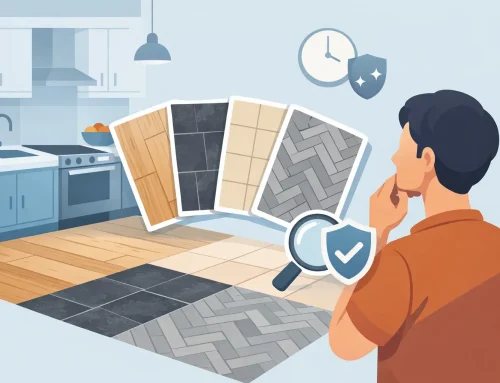
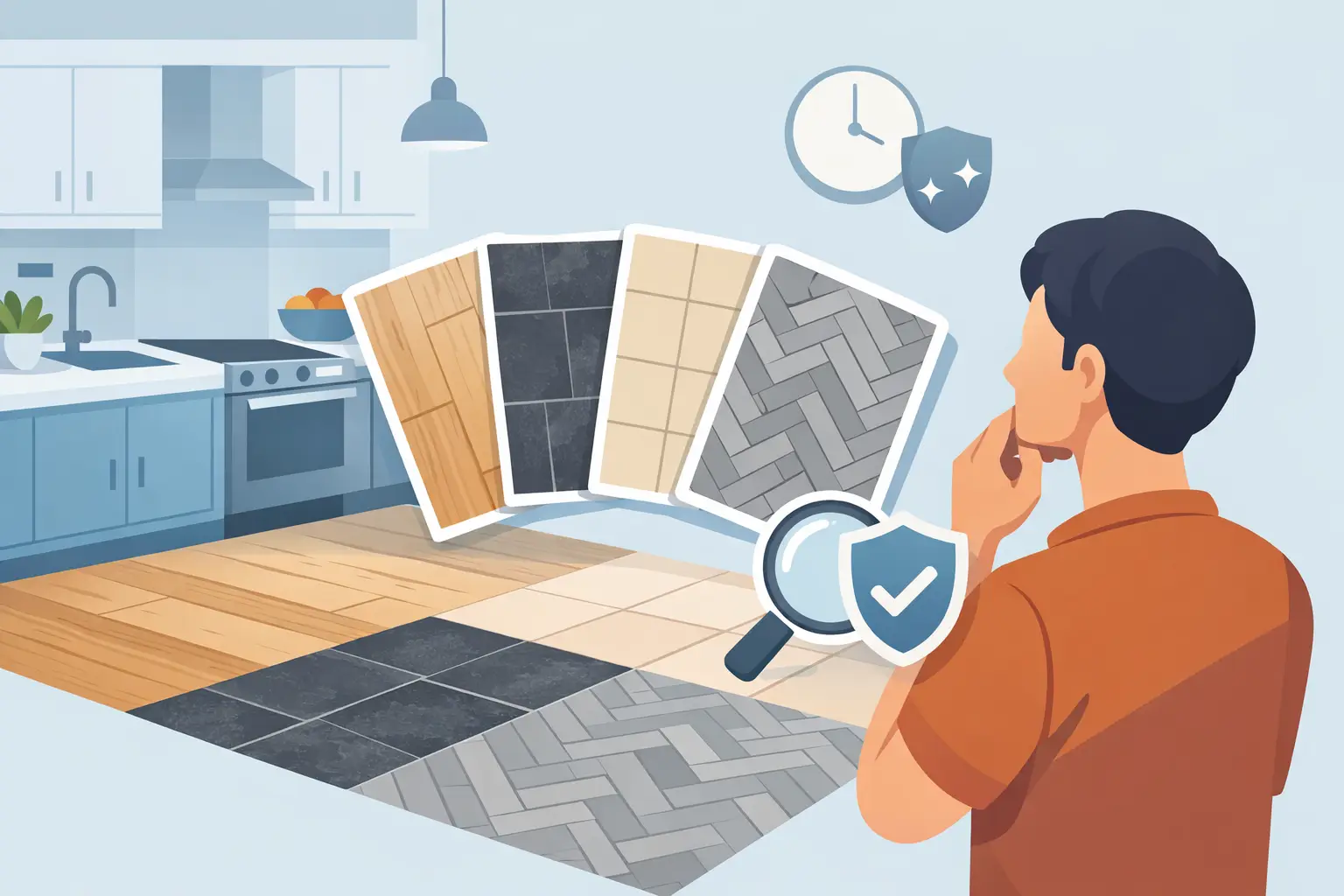
Whether you reface or replace, cabinetry should work with the rest of the room. Door style, color, countertop material, backsplash, flooring, and hardware all need to feel intentional together. A bright shaker door can make a smaller kitchen feel open, while a warm wood finish may bring character to a more modern plan.
Replacement gives you more freedom to tailor cabinet sizes and storage features. Refacing gives you a focused way to transform the visual style while retaining familiar dimensions. Neither approach is automatically better. The best choice is the one that matches the condition of your cabinets and the goals of your renovation.
At The Cabinets Store, homeowners can get practical guidance on cabinet styles, finishes, storage options, and the larger remodeling decisions that affect the final result. A thoughtful consultation can reveal whether your current cabinet boxes are worth preserving or whether new cabinetry will give your Tampa Bay home the fresh start it needs.
Your kitchen should not merely look updated from the doorway. Choose the option that gives you a space that feels easier to use every morning, every dinner rush, and every time friends and family gather around it.