
A kitchen remodel should make the room easier to live in, not simply make it look current for a few years. The most useful kitchen trends for Tampa Bay homeowners are moving away from one-size-fits-all looks and toward choices that solve everyday problems: crowded counters, limited storage, dated finishes, and layouts that keep the cook separated from everyone else.
That does not mean every popular idea belongs in every home. A large island can be a game-changer in an open layout but a traffic problem in a narrow kitchen. Dark cabinetry can feel sophisticated, but it needs the right lighting and room size. The best remodels balance personal taste, resale appeal, budget, and the way your household actually uses the space.
Kitchen Trends With Staying Power
The strongest trends are less about chasing a particular color and more about making a kitchen work harder. Homeowners are investing in cabinetry, storage, surfaces, and layouts that feel tailored without requiring premium custom-cabinet pricing.
Warm wood tones and softer neutrals
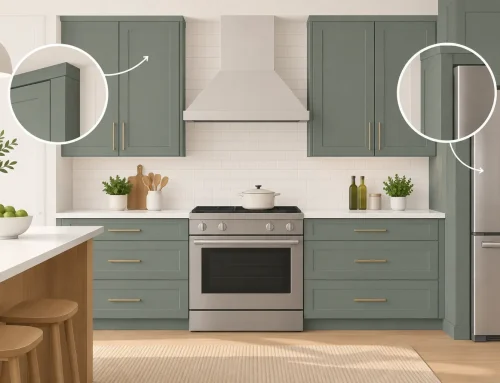
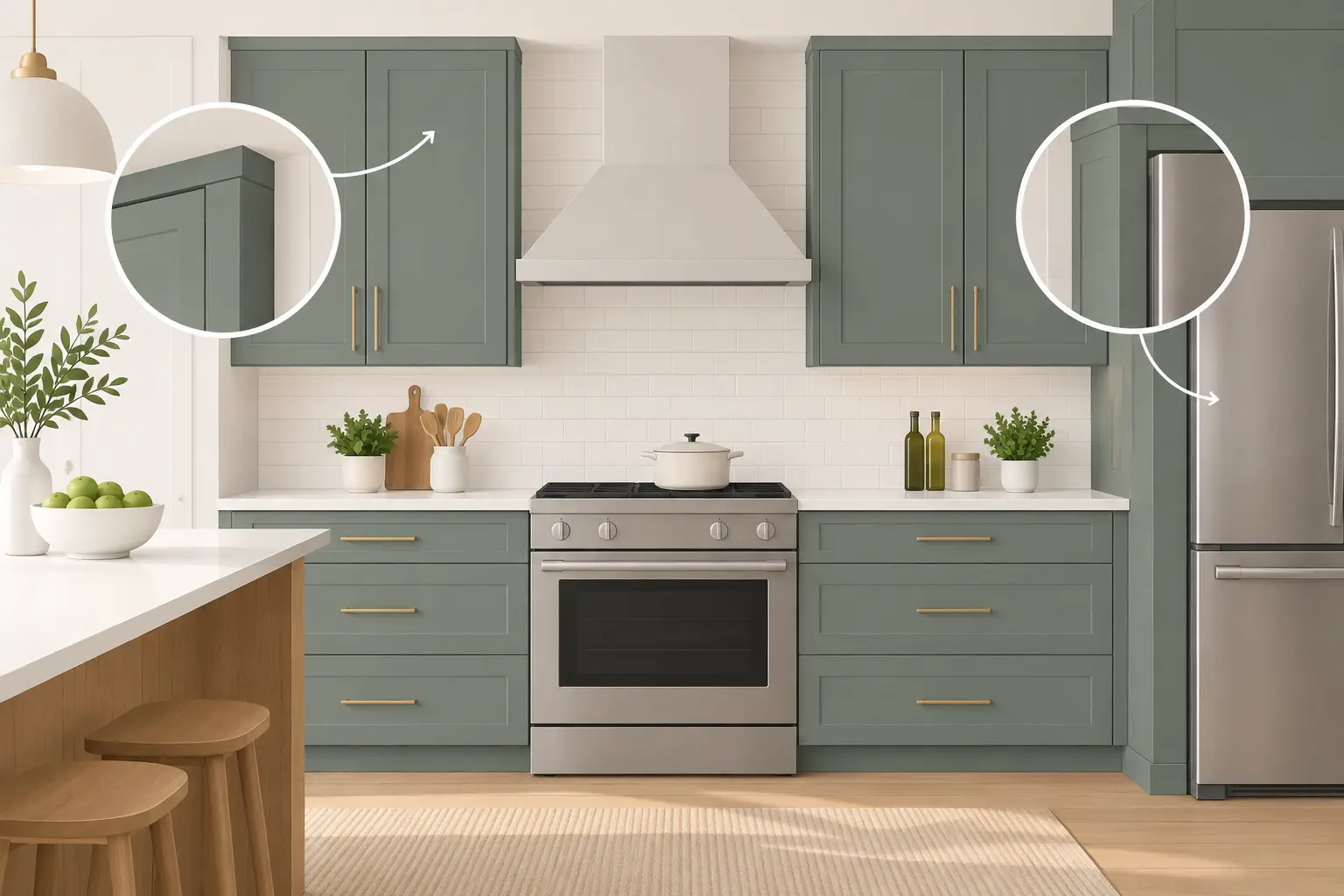
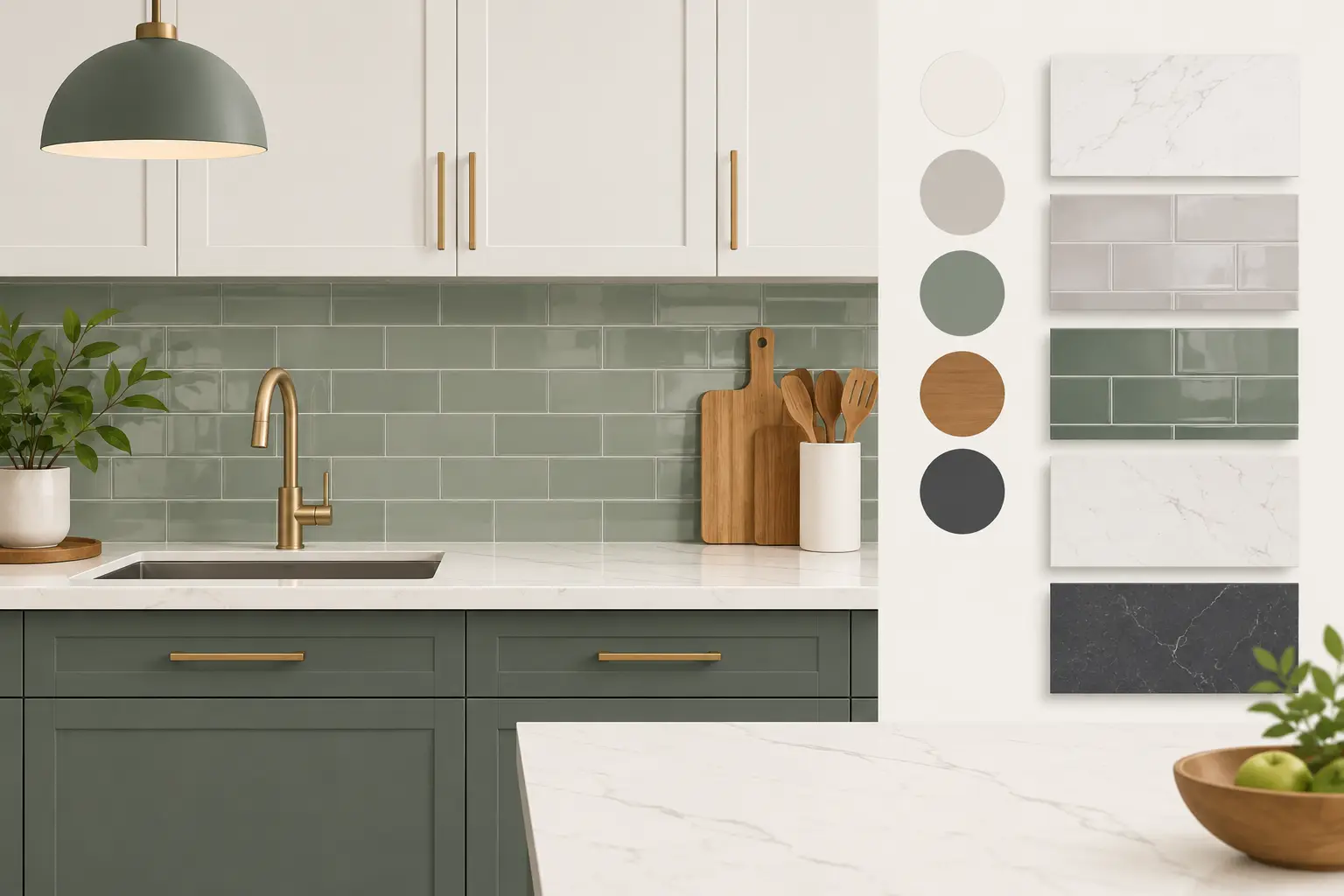
For years, bright white kitchens led nearly every inspiration board. White cabinets still have a place, especially in smaller kitchens where they help reflect light, but homeowners are increasingly choosing warmer combinations. Think natural oak or wood-look finishes, creamy off-whites, soft greige, mushroom tones, and muted greens or blues.
This shift makes a kitchen feel more relaxed and less clinical. It also pairs well with the flooring and wall colors common in Florida homes. If you love the clean look of white but want more depth, consider white perimeter cabinets with a warm wood island or a painted base cabinet color. Two-tone kitchens add interest without committing the entire room to a bold finish.
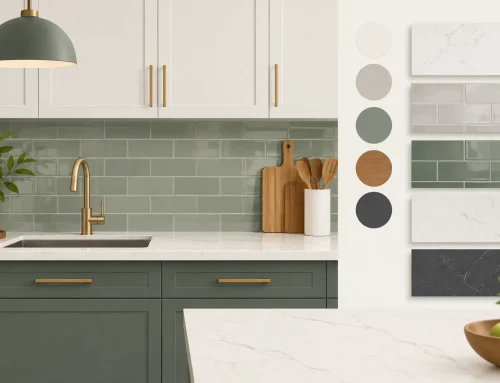
The trade-off is coordination. Warm cabinet colors can clash with a countertop or floor that has a cool gray cast, so samples should be viewed together in the actual room. Natural daylight, overhead lighting, and nearby finishes can change how a color reads from morning to evening.
Cabinets that look furniture-inspired
Simple Shaker doors remain a dependable choice because they suit traditional, transitional, and contemporary homes. But many homeowners now want a little more detail: narrow Shaker profiles, slim rails, textured wood grain, subtle reeded accents, or glass-front display cabinets used sparingly.
The goal is character without visual clutter. A well-planned mix might include clean perimeter cabinetry and one distinct feature, such as a glass cabinet near a beverage station or a wood-tone hood surround. These details can make a standard cabinet layout feel thoughtfully designed.
For a long-term remodel, avoid adding every decorative detail at once. Highly ornate doors, excessive open shelving, and too many mixed finishes may date faster than a balanced design. Cabinetry represents a major share of the project budget, so it is usually smart to choose a door style you will still appreciate after the trend cycle changes.
Smarter storage where it counts
Storage is one of the most practical kitchen trends because it improves the room every single day. Deep drawers for pots and pans, pull-out trash bins, tray dividers, roll-out shelves, pantry pull-outs, and organizers for spices or utensils can turn unused cabinet space into useful storage.
The best accessories depend on your routine. An enthusiastic home cook may need drawers near the range and a dedicated place for sheet pans. A busy family may benefit more from a concealed charging drawer, a drop zone near the entry, or a tall pantry that keeps snacks within reach. Homeowners who entertain often may prioritize glassware storage and a beverage station away from the main prep area.
Accessories add cost, so choose the ones that address the frustrations you notice most. It is better to include a few well-placed pull-outs than to fill every cabinet with upgrades that do not fit your habits.
Layouts Built for Real Life
Open kitchens are still popular, but the idea is evolving. Homeowners want connection to the living area while also wanting a kitchen that can handle cooking, homework, guests, and cleanup at the same time.
The hardworking island
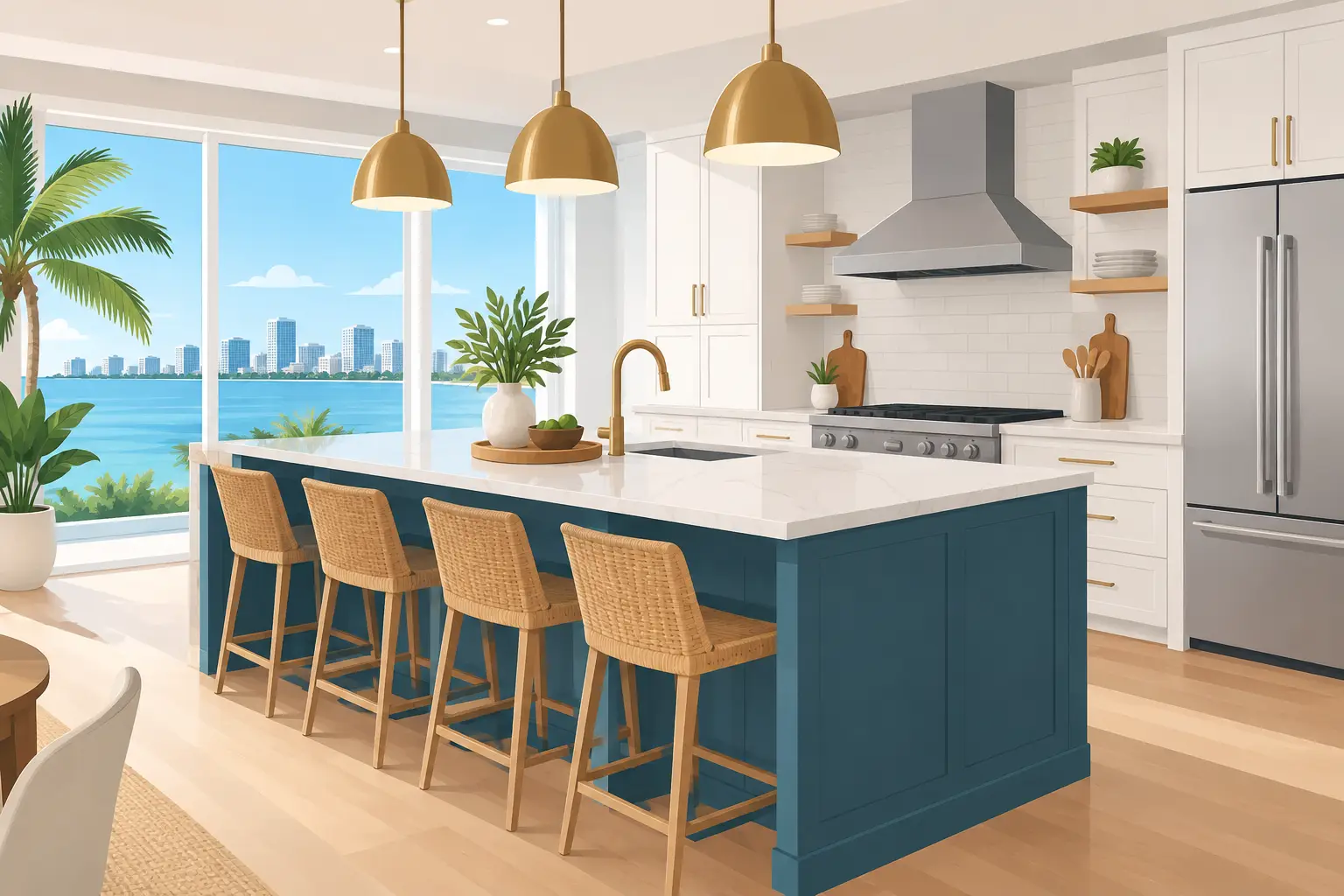
An island remains one of the most requested features in a remodel. It can add prep space, seating, storage, and a natural gathering point. In many Tampa Bay homes, removing or reducing a wall to create an island can completely change how the kitchen feels.
Size matters, though. An oversized island can squeeze walkways and make doors or appliances difficult to open. A good design allows enough clearance for people to move comfortably, especially between the island, refrigerator, sink, and range. Seating should also have room behind it for someone to pass.
If the room cannot support a full island, a peninsula may be the better answer. It can provide extra countertop and seating while preserving the traffic flow. A thoughtful layout is more valuable than forcing a showroom trend into a space that cannot support it.
Dedicated zones instead of a single crowded counter
Another useful planning approach is giving different tasks their own area. A coffee station can keep the morning routine away from the main cooking zone. A microwave in a lower cabinet or appliance garage can free up counter space. A baking area near a mixer lift or pantry can keep ingredients organized.
These zones do not require a huge kitchen. Even compact layouts can improve function when cabinet storage, appliances, and work surfaces are planned around specific routines. This is where design guidance matters most: a cabinet plan should account for door swings, drawer clearance, countertop landing areas, and how people move through the room.
Materials That Handle Florida Living
A beautiful kitchen should also stand up to humidity, active households, sandy feet, pets, and frequent entertaining. Durable materials are becoming more important than delicate, high-maintenance finishes.
Quartz countertops remain a popular choice because they offer consistent color and pattern options with straightforward maintenance. They work well for homeowners who want the look of natural stone without regular sealing. Natural stone can be beautiful and distinctive, but it may need more care depending on the material and finish.
For backsplashes, larger-format tile and slab-style looks create a cleaner visual line with fewer grout joints. Classic subway tile is still a reliable option, particularly when installed in a more interesting pattern or paired with a contrasting grout. The right backsplash should complement the cabinets and countertops rather than compete with both.
Matte and satin finishes are also gaining attention on cabinets, hardware, and fixtures. They can feel softer than high gloss and often hide fingerprints better. Still, finish selection should be practical. In a household with young children, easy-clean surfaces and durable hardware deserve priority over a finish that requires constant polishing.
Lighting and Hardware That Finish the Room
Lighting is often treated as an afterthought, but it changes how every finish performs. A well-designed kitchen typically needs general overhead lighting, focused task lighting for prep areas, and accent lighting to add warmth. Under-cabinet lighting is especially valuable because it brightens countertops without casting shadows from overhead fixtures.
Decorative pendants over an island can provide personality, but scale is crucial. Fixtures that are too large can overwhelm a smaller kitchen, while fixtures that are too small disappear in a wide open-plan space. Your cabinet layout and ceiling height should guide the selection.
Hardware is another relatively affordable way to personalize cabinetry. Brushed nickel, warm brass, bronze, and matte black can all work beautifully. Rather than selecting hardware from a display alone, compare it with cabinet and faucet samples. Small finish differences are noticeable when they sit side by side.
How to Choose Trends You Will Still Love
Before choosing cabinet colors or countertop samples, start with the problems your current kitchen creates. Maybe you need more storage, clearer sightlines to the family room, a better place for groceries, or an easier way to host friends. Those needs should lead the design, while trends provide inspiration for the final look.
It also helps to divide decisions into lasting and flexible elements. Cabinet layout, flooring, and countertops are difficult to change later, so choose durable options with broad appeal. Paint color, stools, pendants, and cabinet hardware can carry more personality because they are easier to update over time.
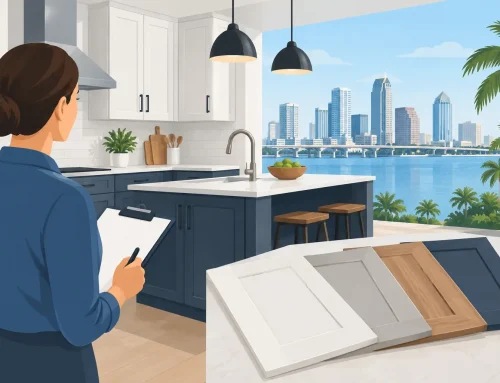
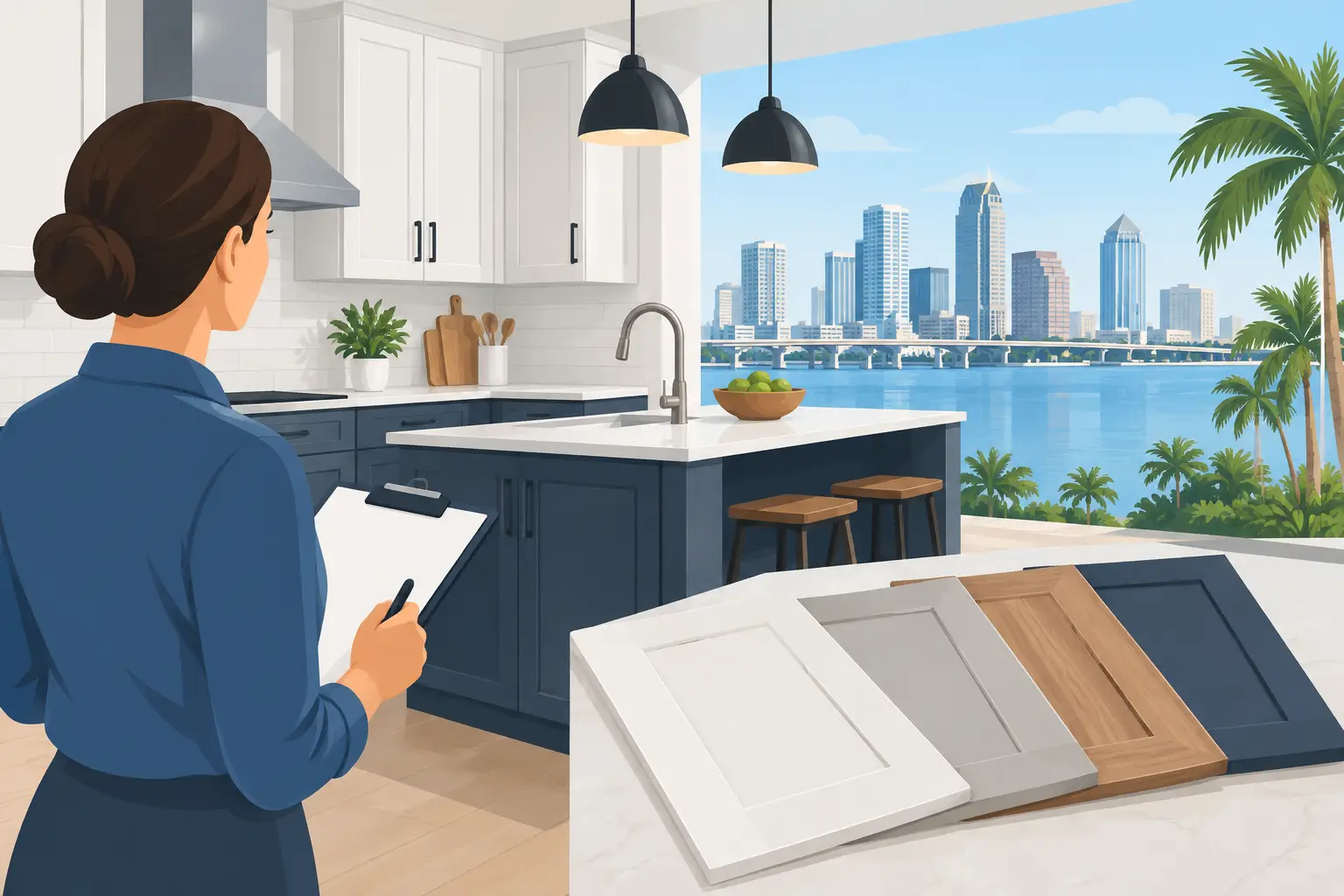
For homeowners planning a kitchen remodel, The Cabinets Store can help turn ideas into a cabinet plan that fits the room, budget, and lifestyle. Seeing cabinet doors, countertop samples, and storage options together is often the fastest way to move from a saved photo to a confident decision.
The right kitchen will not feel like a trend display. It will feel like the part of your home that finally works the way you need it to.