
A countertop has to do more than look good under showroom lighting. It needs to handle weekday breakfasts, hot pans, spilled wine, wet towels, and the Florida humidity that comes with an open patio door. The right countertop materials can make a kitchen or bathroom easier to use, easier to maintain, and more enjoyable to come home to. The wrong choice can leave you worrying about every scratch, stain, or water spot.
For most Tampa Bay homeowners, the best choice comes down to three practical questions: How do you use the room? How much maintenance are you comfortable doing? And where does the countertop fit within your overall renovation budget? A beautiful surface is always a goal, but a successful remodel matches that beauty with real-life durability.
How to Compare Countertop Materials
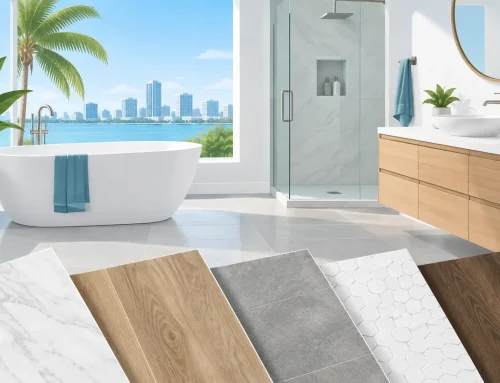
Start with the room itself. Kitchen counters usually need the strongest combination of stain resistance, scratch resistance, and easy cleaning. Bathroom counters face a different challenge: frequent moisture, cosmetics, hair products, and smaller vanity layouts where a more premium material may fit the budget.
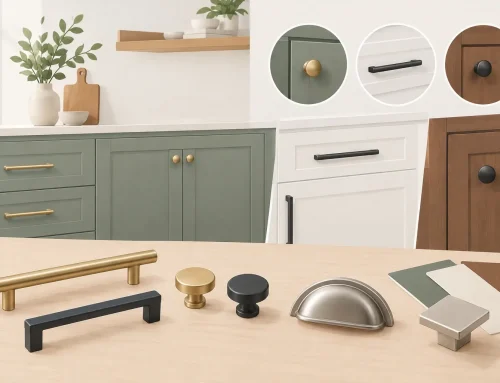
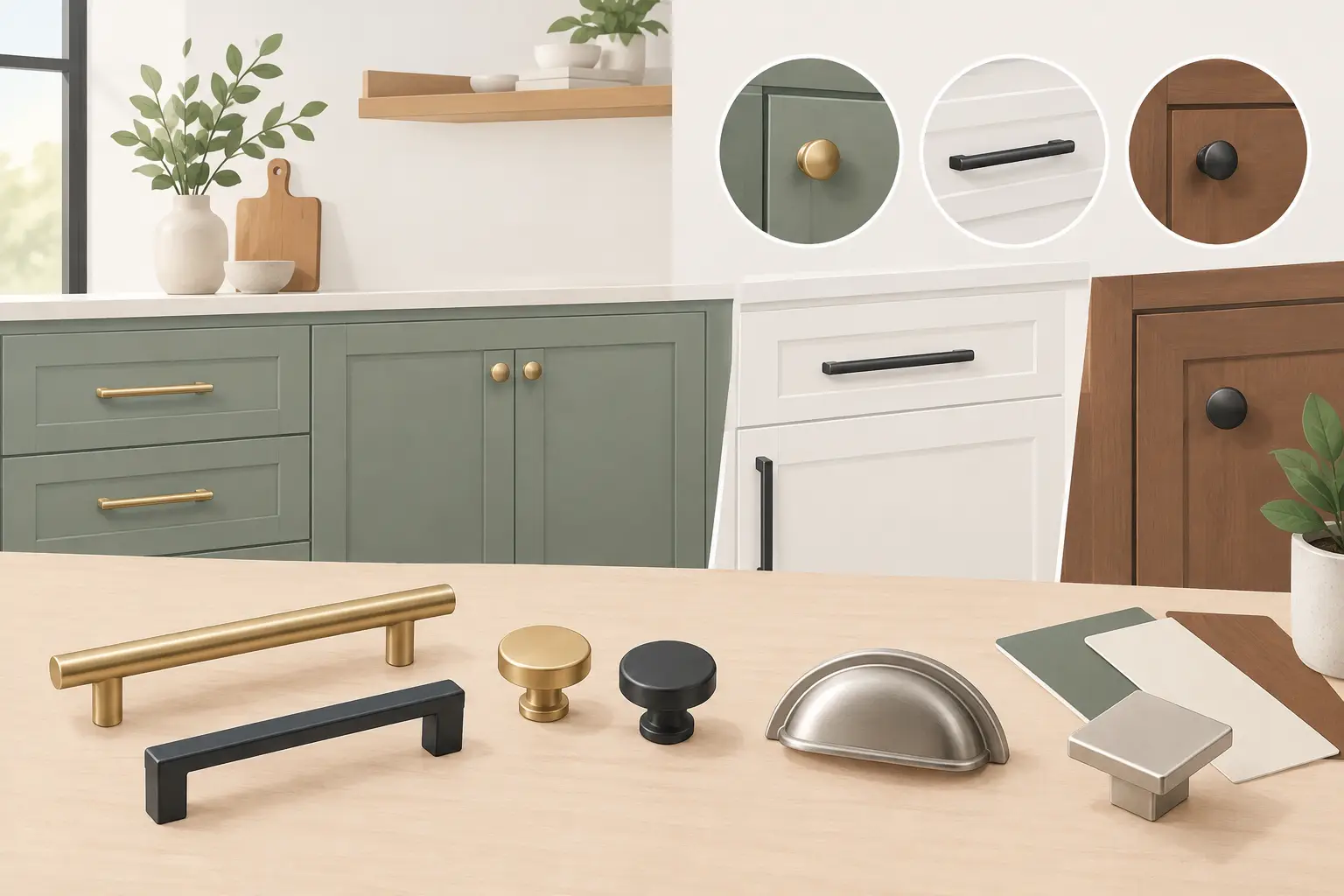
It also helps to think beyond the slab. Countertop color and pattern should work with your cabinet door style, backsplash, flooring, sink, and hardware. A busy granite can be striking beside simple white cabinets, while a softly veined quartz may add interest without overwhelming a kitchen that already has patterned flooring. Bringing cabinet samples, paint colors, and a few inspiration photos to a design consultation can prevent expensive second guesses.
Price matters, but material cost is only one part of the project. Edge profiles, cutouts for sinks and cooktops, installation complexity, seam placement, backsplash details, and removal of existing counters all affect the final investment. Comparing complete quotes is more useful than comparing a per-square-foot price alone.
Quartz: Easy Care With a Polished Look
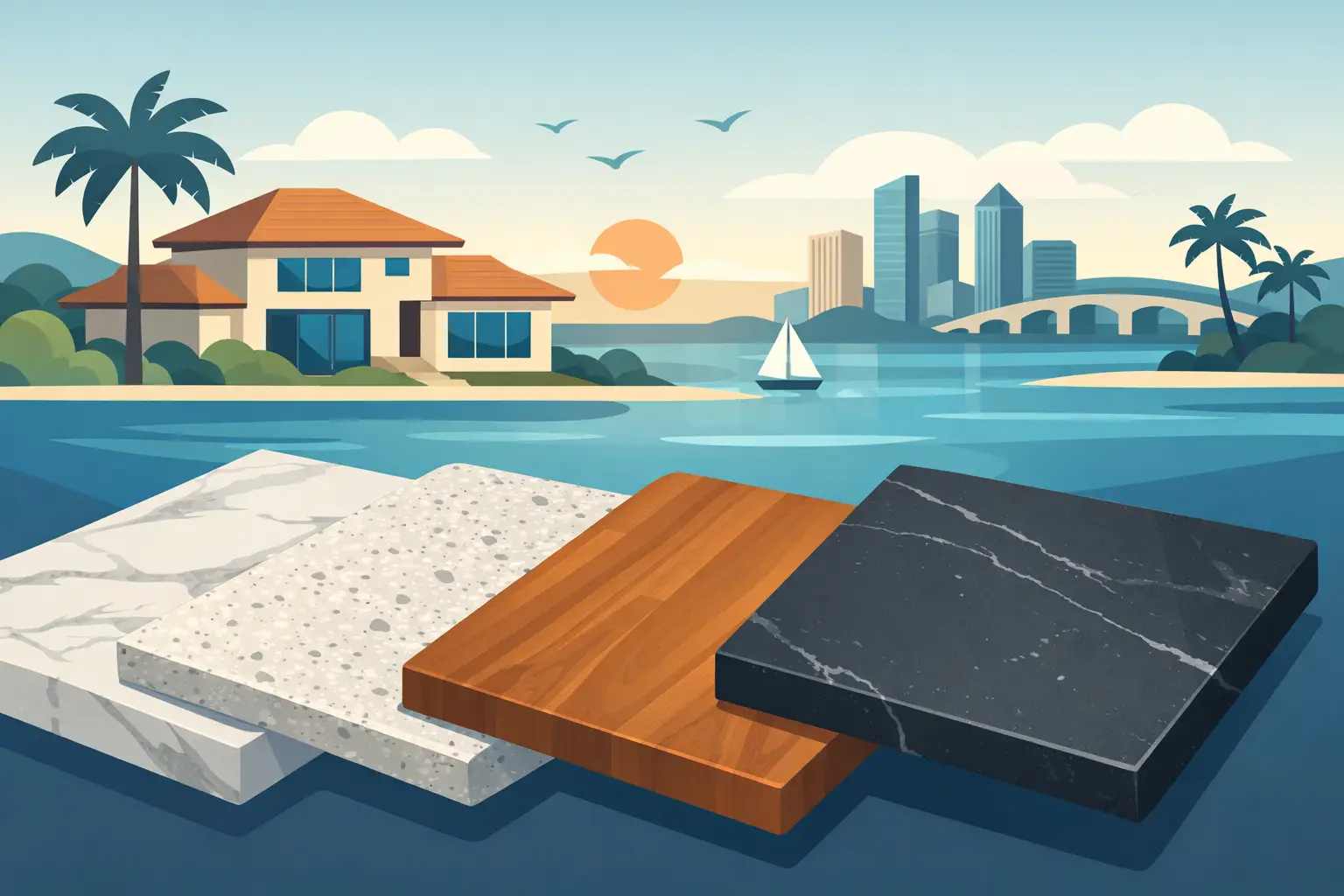
Quartz is one of the most popular options for kitchen and bathroom remodels because it offers a consistent, low-maintenance surface. It is an engineered material made from natural quartz and resins, available in looks that range from clean solid colors to convincing marble-inspired veining.
For busy households, its main advantage is convenience. Quartz does not require routine sealing, and it resists most everyday stains when cleaned promptly with mild soap and water. It is also a dependable choice for homeowners who want the look of natural stone without the variation from slab to slab.
There are trade-offs. Quartz can be a higher-cost option, especially in dramatic patterns or premium collections. It is also not the best surface for direct high heat. A hot pan placed directly on the counter can damage the resin in the material, so trivets are still necessary. In a sunny room, discuss placement with your designer, since prolonged direct UV exposure can affect some quartz colors over time.
Granite: Natural Beauty That Feels One of a Kind
Granite remains a favorite for homeowners who want genuine natural stone. Each slab has its own mineral patterns, movement, and color variation, which gives a kitchen a character that manufactured materials cannot exactly duplicate. It can work beautifully in traditional, transitional, and even modern designs, depending on the slab selected.
Granite is highly durable and handles heat well, making it a practical option for people who cook often. With proper sealing, it also performs well against stains and moisture. The key phrase is “with proper sealing.” Granite needs periodic sealing based on the specific stone and how heavily the space is used. Some slabs are denser and need less attention than others.
Because granite is natural, selecting the actual slab is especially important. A small sample can only show a fraction of the color movement you will see across a full island or long countertop run. If you love variation and want your countertop to be a focal point, granite deserves a close look. If you want a very uniform appearance, quartz may be a better fit.
Marble: Timeless, but Best for the Right Household
Marble brings a classic, high-end look that few materials can match. Its soft veining works especially well in bathrooms, baking areas, and elegant kitchens with light cabinetry. It also develops a natural patina over time, which some homeowners love.
That patina is not for everyone. Marble is softer and more porous than granite or quartz, so it can scratch, etch, or stain more easily. Acidic foods and drinks, including lemon juice, vinegar, and wine, can leave dull marks known as etching. Sealing helps with stain resistance, but it does not make marble worry-free.
Marble can be the right choice when you appreciate its changing character and do not expect a flawless surface forever. For a high-traffic family kitchen where low maintenance is the priority, a marble-look quartz often provides a more practical alternative.
Solid Surface: Clean Lines and Repairable Details
Solid-surface countertops are made from acrylic or polyester materials and are known for their smooth, uniform appearance. They can be fabricated with integrated sinks and nearly invisible seams, creating a clean look that works well in contemporary kitchens, laundry rooms, and bathrooms.
This material is nonporous and easy to clean, which makes it a comfortable choice for homeowners focused on everyday upkeep. Minor scratches and damage can often be repaired or refinished, another meaningful advantage over some harder surfaces.
Solid surface is not as heat-resistant or scratch-resistant as granite, quartz, or porcelain. It is best for homeowners who value a streamlined appearance and repairability more than the natural-stone look. Using cutting boards and hot pads will help keep it looking its best.
Laminate: A Smart Budget-Friendly Option
Laminate has come a long way from the styles many homeowners remember from decades ago. Current designs can mimic wood, stone, concrete, and patterned surfaces at a fraction of the cost of natural stone or quartz. For a rental property, a first-time renovation, a laundry room, or a value-focused kitchen update, laminate can stretch the budget without making the room feel unfinished.
It is easy to clean and available in a wide variety of colors and patterns. Laminate also pairs well with affordable cabinets when the goal is a fresh, coordinated remodel rather than a full luxury upgrade.
Its limitations are worth considering. Laminate can be damaged by heat, sharp knives, and standing water at seams or edges. It cannot be refinished like solid surface or resealed like stone. Still, when installed carefully and treated with reasonable care, it can be an attractive and practical choice for the right project.
Butcher Block and Wood: Warmth With Ongoing Care
Wood countertops add warmth that stone and engineered surfaces cannot replicate. Butcher block can make an island feel more like furniture, soften a kitchen with painted cabinets, or create a welcoming prep area. It is also popular for smaller applications, such as a coffee bar, desk, or bathroom vanity accent.
Wood needs a homeowner who is comfortable with maintenance. It can scratch, dent, and react to standing water, especially around sinks. Depending on the finish, it may require periodic oiling or refinishing. That care is part of its appeal for some people, but it is not the right match for every household.
A useful compromise is to use wood on one feature area rather than throughout the entire kitchen. Pairing a butcher-block island with quartz or granite perimeter counters can give you warmth where you want it and easier maintenance where you need it.
Matching Countertop Materials to Your Remodeling Priorities
If your priority is the easiest daily maintenance, quartz is often the front-runner. If you want a truly natural slab with heat resistance and unique movement, granite is a strong contender. If your budget needs room for cabinetry, appliances, or flooring, laminate may create the best overall result. And if you are renovating a bathroom vanity, the smaller square footage may make a higher-end material more attainable.
The most successful kitchens are not always built around the most expensive countertop. They are built around the homeowner’s routines. A household that hosts large gatherings may benefit from a durable, low-maintenance island surface. A serious baker may appreciate cool natural stone in a dedicated prep area. A homeowner planning to sell within a few years may focus on broadly appealing colors and materials that support the home’s value without overspending.
Color deserves the same practical attention. White and light countertops can brighten a compact kitchen, but heavily textured or pure white surfaces may show crumbs and spills more quickly. Dark colors can add drama, though some finishes reveal fingerprints or water spots. Mid-tone counters with gentle movement are often forgiving choices for active homes.
At The Cabinets Store, countertop decisions are considered alongside cabinet layout, storage needs, and the full project budget. That coordinated approach helps avoid a common remodeling problem: selecting a beautiful countertop first, then discovering it does not complement the cabinets or leaves too little room for the features that make the kitchen work better.
Before making your final selection, look at full-size samples whenever possible, view them in your home’s lighting, and ask how the material will perform around your sink, range, and daily routines. The best countertop is the one you can enjoy using without treating your kitchen or bathroom like a museum.