
A bathroom can feel dated long before anything is technically broken. A worn vanity, harsh overhead light, stained grout, or cluttered counter can make a space feel smaller and less comfortable every morning. The good news is that affordable bathroom upgrades with impact do not always require moving plumbing or tearing out every surface.
For Tampa Bay homeowners, the smartest projects focus on the features you use and see every day: storage, lighting, moisture-resistant materials, and finishes that make the room feel intentional. A modest budget goes further when you improve the visual anchors first and avoid changes that create unnecessary labor.
Start With What Makes the Room Feel Old
Before choosing tile samples or a new faucet, take an honest look at what is bothering you. In many bathrooms, the biggest issue is not the square footage. It is poor storage, a vanity that is too small, lighting that casts shadows, or too many mismatched finishes competing for attention.
Make a short list of the problems you want the upgrade to solve. Maybe you need a place for towels, a vanity that holds everyday essentials, or a better mirror for getting ready. This keeps the project focused on function instead of spending money on items that look good in a photo but do little for daily life.
If the layout works, keep it. Moving a toilet, shower drain, or plumbing wall can quickly turn a budget refresh into a full remodel. Keeping the room’s footprint while improving the materials and storage is often the best value.
Put the Budget Into a Better Vanity
A new bathroom vanity has one of the highest visual returns for the money. It takes up meaningful wall space, sets the style of the room, and determines whether the bathroom feels organized or constantly crowded.
Choose a vanity based on how the bathroom is used, not just on the widest cabinet that will fit. In a primary bath, drawers can be more useful than a large open cabinet because they keep smaller items accessible. In a guest bath or powder room, a compact vanity with a clean profile may make the room feel more open.
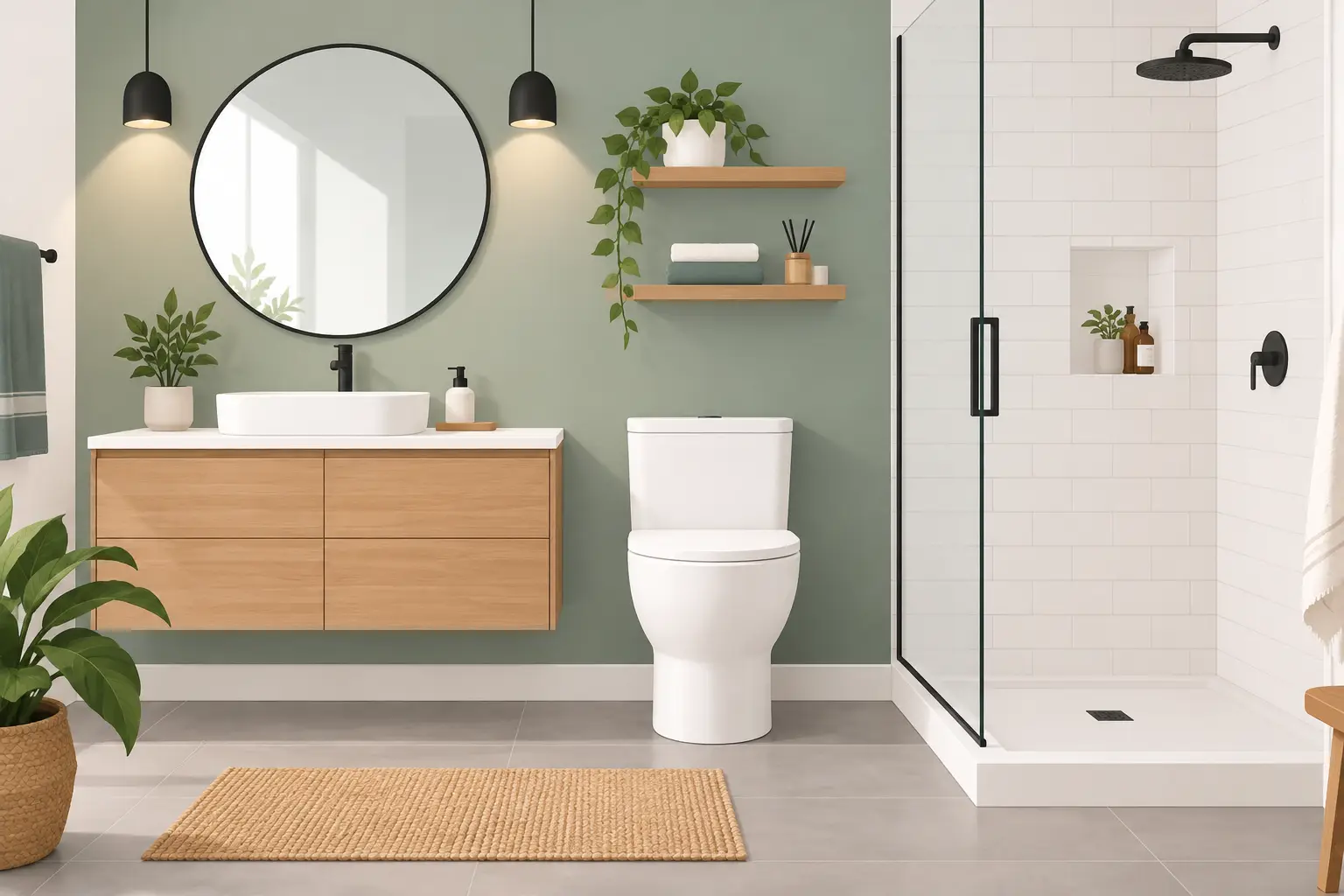
For most homeowners, a quality stock or semi-custom vanity provides a practical middle ground. You can select a finish and door style that fits your home without paying for fully custom construction. A simple shaker door in white, warm wood tones, or a muted painted finish tends to age well and works with many countertop choices.
Do not overlook vanity height. A comfort-height cabinet can make daily routines easier for adults, while a standard height may better suit a children’s bathroom. The right choice depends on who uses the room most often.
Add Storage Where It Counts
A vanity upgrade becomes more valuable when it improves organization. Consider drawer dividers, pull-out organizers, a tilt-out tray at the sink, or a linen cabinet if the layout allows. These are small details, but they reduce counter clutter and make the room feel more finished.
In a tight bathroom, think vertically. A shallow wall cabinet, open shelving for neatly folded towels, or recessed medicine cabinet storage can add function without consuming valuable floor space. Just be careful with open shelves in humid bathrooms. They look inviting when styled simply, but they require regular upkeep to avoid looking cluttered.
Refresh the Countertop, Sink, and Faucet Together
Replacing an old laminate counter or a stained cultured-marble top can change the entire room. A durable quartz countertop is a popular option because it offers a clean, polished appearance with minimal maintenance. For a smaller vanity, the countertop area is limited, so upgrading this surface can be more affordable than homeowners expect.
An integrated sink can create a streamlined look and simplify cleaning. An undermount sink paired with a quartz top is another polished option, especially in a primary bathroom. If you are trying to control costs, do not assume the most dramatic vessel sink is the best choice. Vessel sinks can make a visual statement, but they may splash more and require the faucet height and counter height to be planned carefully.
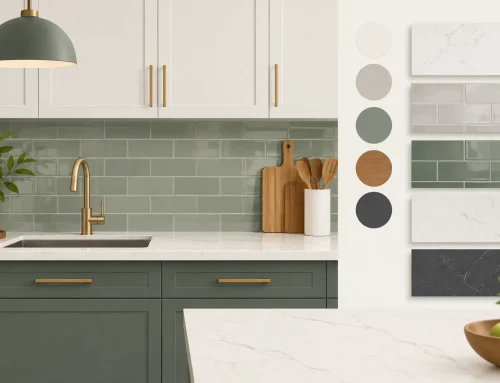
A new faucet is a relatively small purchase with an outsized effect. Brushed nickel is a safe, versatile choice, while matte black can add contrast in a lighter bathroom. Choose a finish you can repeat in the mirror frame, lighting, or cabinet hardware. Two coordinated finishes can work, but introducing too many creates visual noise.
Upgrade Lighting Before You Judge the Paint Color
Many older bathrooms rely on one ceiling fixture and a vanity light that does little to illuminate faces evenly. Better lighting makes tile look cleaner, paint look more accurate, and the whole room feel more welcoming.
Start with lighting at the mirror. Fixtures mounted on each side of the mirror usually provide the most even illumination, though a well-sized fixture above the mirror can work when wall space is limited. Look for bulbs with a warm-to-neutral white appearance, generally around 2700K to 3000K, and a high color-rendering rating so skin tones and finishes look natural.
A dimmer is an inexpensive addition that makes a meaningful difference. Bright light is useful for grooming, while softer light creates a calmer feel during early mornings and late evenings. In bathrooms with poor natural light, layered lighting can make a modest renovation feel much more polished.
Use Paint and Hardware to Tie the Room Together
Paint is still one of the most cost-effective upgrades available, but bathrooms need the right product and preparation. Use a moisture-resistant bathroom paint, repair cracks around trim, and address ventilation problems before painting. Fresh paint will not solve recurring moisture issues.
Soft whites, warm greiges, pale blue-grays, and gentle greens can make a bathroom feel brighter without becoming trendy too quickly. In a windowless bath, very dark walls may feel dramatic but can also make the room feel closed in. If you love a deeper color, consider using it on the vanity or one accent wall instead.
New cabinet pulls, towel bars, toilet paper holders, and hooks provide a finished look when they match the faucet and lighting plan. This is a good place to be consistent rather than overly creative. A coordinated hardware package looks intentional and is easier to replace later if needed.
Make the Shower Look Cleaner Without Rebuilding It
A full shower replacement is a major investment, but there are several ways to improve an existing shower or tub surround. Regrouting or professionally cleaning grout can brighten tile dramatically. Replacing discolored caulk around the tub, corners, and fixtures is another low-cost task that makes the area look cared for.
If the tile itself is in good condition, consider upgrading the showerhead, hand shower, curtain rod, or glass enclosure hardware. A curved shower rod creates a little more elbow room, while a clear glass panel can make a small bath feel more open than an opaque curtain. Glass requires regular cleaning, however, especially in areas with hard water. A quality shower curtain may be the lower-maintenance choice for a busy family bathroom.
Ventilation deserves attention here. In Florida’s humid climate, a properly sized exhaust fan helps protect paint, cabinetry, grout, and drywall from excess moisture. If your mirror stays fogged long after a shower, the fan may be underperforming or not venting correctly.
Affordable Bathroom Upgrades With Impact Need a Realistic Plan
The most successful budget projects are planned as a group, even when the work happens in stages. For example, choose the vanity, countertop, sink, faucet, mirror, and light fixture together before ordering any one piece. This prevents common issues such as a mirror that is too wide for the light placement or hardware finishes that do not coordinate.
Measure carefully, especially around door swings, toilet clearances, baseboards, and existing plumbing. A vanity that fits on paper may block a door or leave no room to open drawers. If you are replacing only part of the bathroom, bring photos and measurements when discussing options so finishes can be selected with the existing floor and shower tile in mind.
It also helps to separate your wish list into three categories: must-have repairs, high-impact improvements, and nice-to-have extras. Address leaks, soft flooring, ventilation concerns, and damaged cabinetry first. Then place your remaining budget into the vanity, countertop, lighting, and storage features that improve the room every day.
For homeowners who want guidance without the pressure of a one-size-fits-all package, a local showroom consultation can make the decision process easier. The Cabinets Store can help Tampa Bay homeowners compare vanity styles, countertop options, cabinet storage, and project details before small choices become expensive changes.
The best bathroom upgrade is not necessarily the one with the most tile or the highest price tag. It is the one that makes your daily routine simpler, holds up to moisture and use, and feels like it belongs in your home the moment you walk in.