
A beautiful cabinet door can lose some of its impact when it meets a worn, slippery, or poorly matched floor. Kitchen flooring has to do more than look good under showroom lighting. In a Tampa Bay home, it needs to handle humid air, wet shoes, dropped pans, pet traffic, everyday spills, and the steady wear of a room that rarely sits still.
The best choice is not always the most expensive material or the trendiest color. It is the floor that fits your household, your cabinets, your renovation budget, and the way you want to maintain your kitchen over the next several years.
Start With How Your Kitchen Is Used
Before choosing samples, think through the real demands on the room. A quiet kitchen used mainly for morning coffee has different needs than a space where children, pets, guests, and family meals create constant activity. If you cook often, clean aggressively, or have an exterior door nearby, durability and water resistance should move higher on the priority list.
Tampa Bay’s climate also deserves consideration. Humidity can affect certain natural materials, while sand, rain, and damp footwear can be hard on floors near patios, garages, and pool areas. A flooring choice should be able to live comfortably with local conditions, not simply look appealing on a small sample board.
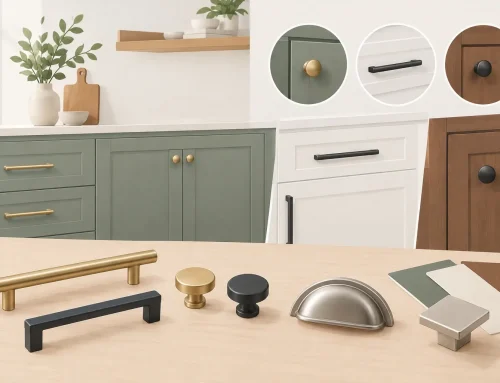
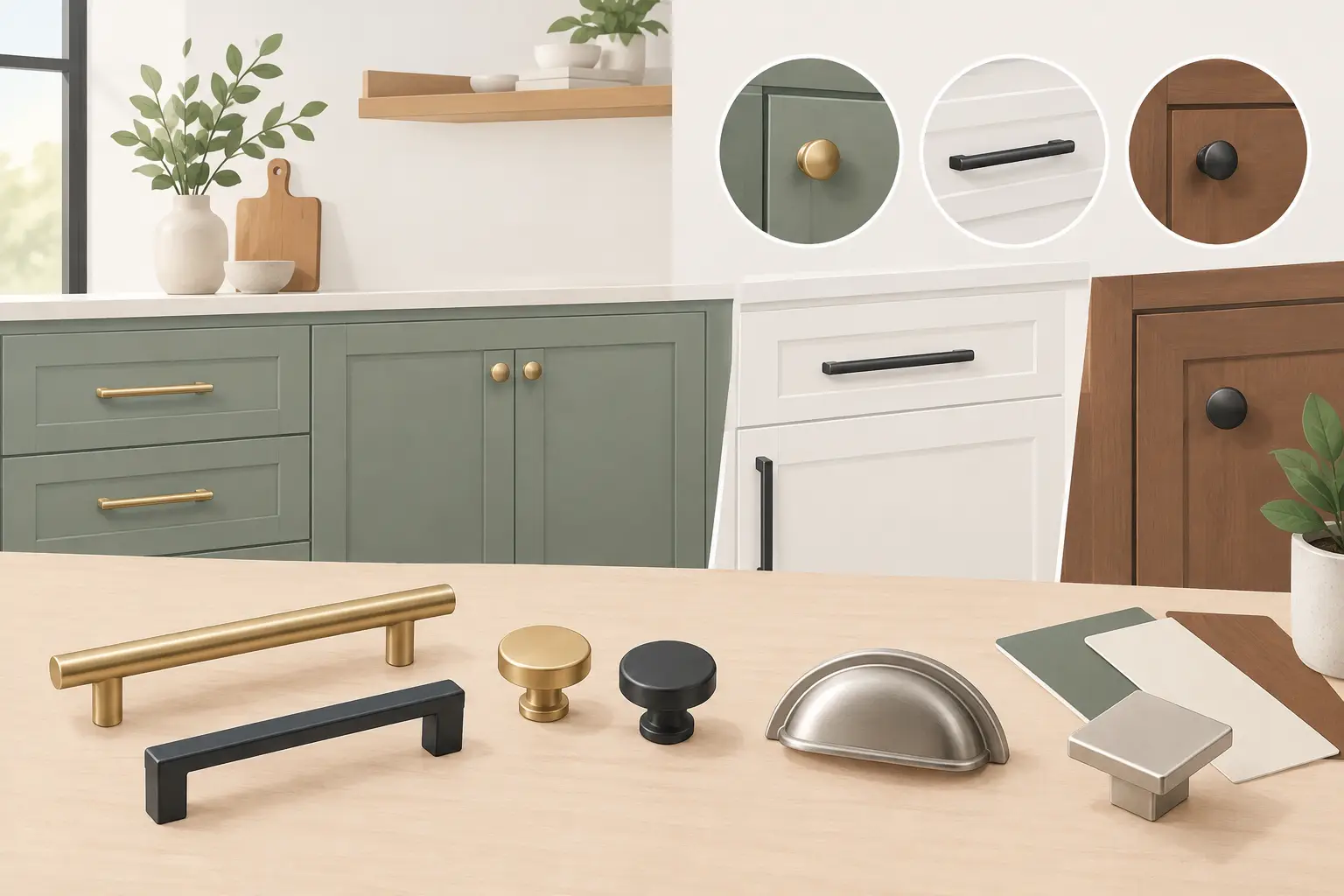
Your cabinets matter, too. Flooring is a large visual surface, and it can either support the cabinetry or compete with it. Warm wood cabinets often pair well with softer stone looks, neutral tiles, or understated wood tones. White or light gray cabinets allow more flexibility, but a highly patterned floor can still make the room feel busy. When cabinets have a strong grain, decorative door style, or bold color, a calmer floor usually creates better balance.
Popular Kitchen Flooring Options
There is no single best kitchen floor for every home. Each material has advantages, limitations, and a price range worth discussing before a final selection.
Luxury Vinyl Plank and Luxury Vinyl Tile
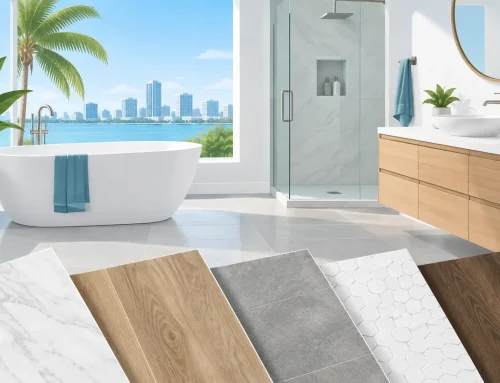
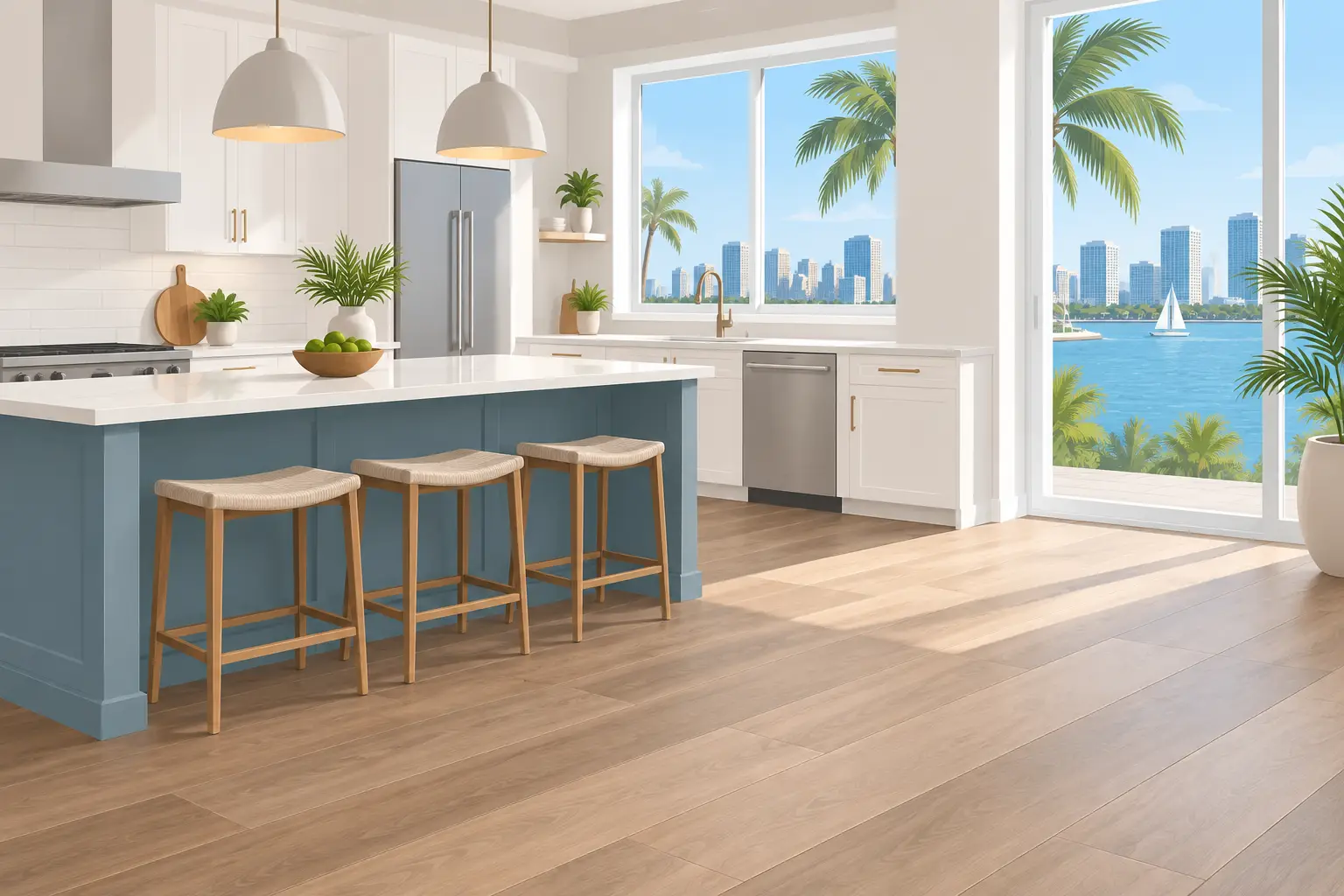
Luxury vinyl is a practical favorite for many kitchen remodels because it offers a convincing wood or tile appearance with a softer feel underfoot than ceramic or porcelain. It is generally water-resistant, easy to clean, and available in a broad range of colors and patterns. For homeowners watching their renovation budget, it can provide a high-end look without the cost of hardwood or premium tile.
Not all vinyl products perform the same way. Thickness, wear-layer quality, installation method, and subfloor preparation all influence how the floor will look and hold up. A lower-priced option may be appropriate for a light-use kitchen, while a busy household often benefits from a more durable product. Vinyl can also be a smart choice when you want a continuous flooring look between the kitchen and nearby living spaces.
Porcelain and Ceramic Tile
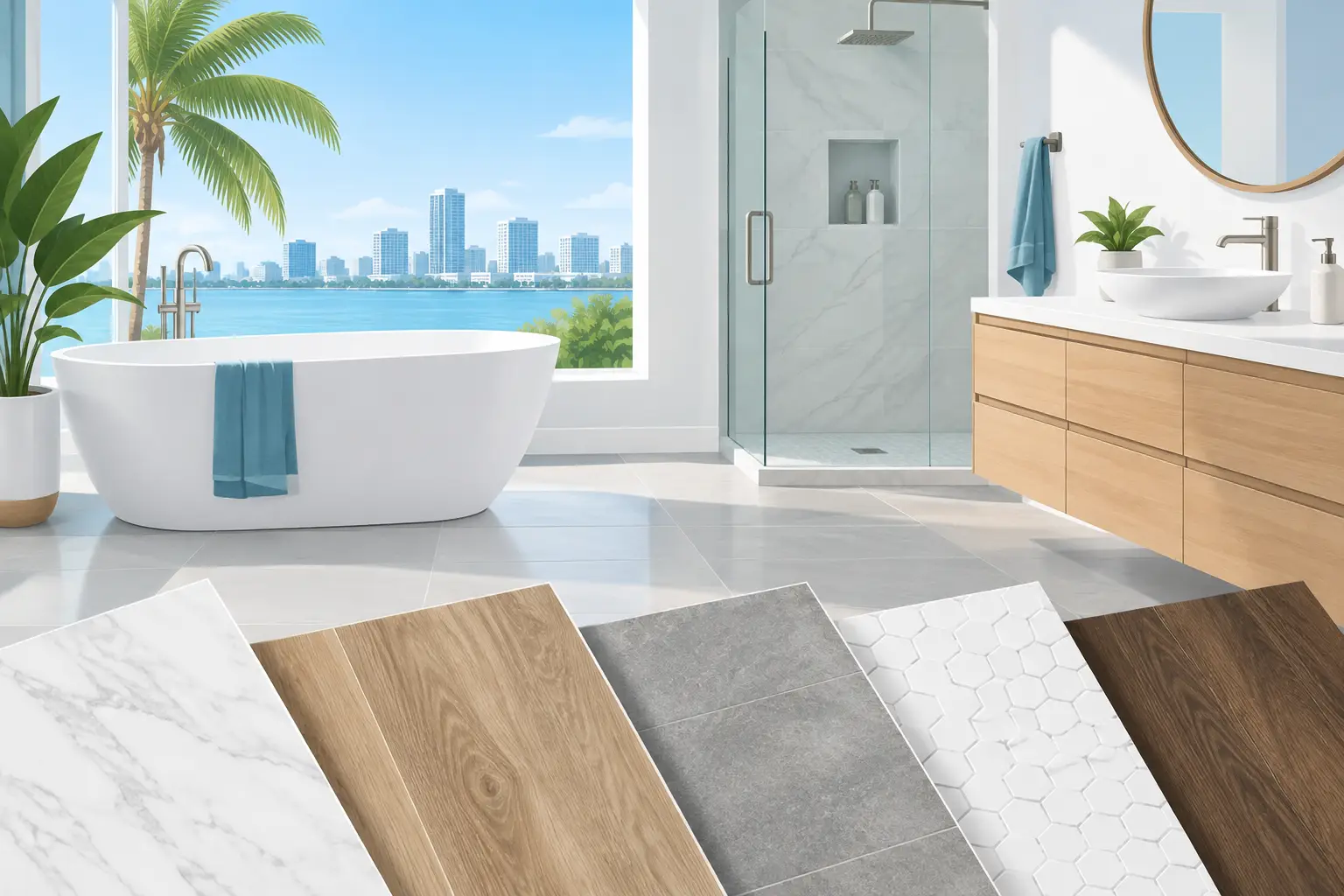
Tile remains one of the strongest choices for kitchens that need serious water resistance and long-term durability. Porcelain is especially dense and well suited to spills, frequent cleaning, and Florida humidity. It comes in styles ranging from classic stone looks to modern large-format slabs and wood-look planks.
The trade-off is comfort. Tile can feel hard and cool underfoot, and dishes are less likely to survive a drop. Grout needs periodic attention, especially in a light color, although quality grout and proper sealing can reduce maintenance. Tile installation also requires a sound, level base, so it is important to account for preparation work in the project budget.
Engineered Hardwood
For homeowners who want warmth and natural character, engineered hardwood can bring a refined feel to a kitchen. Unlike solid hardwood, it is built in layers, which gives it better stability as humidity changes. It can make an open-concept home feel connected by carrying one floor from the kitchen into the dining or living area.
That said, engineered hardwood is not carefree. Standing water, leaks, and repeated soaking can damage it, so it is best for homeowners prepared to wipe up spills promptly and use protective pads where needed. Its finish, wood species, and construction quality all affect how well it will perform. If you love the hardwood look but want fewer concerns around water, quality luxury vinyl may be the more practical fit.
Natural Stone
Natural stone delivers character that manufactured materials cannot completely duplicate. Travertine, marble, slate, and limestone each bring their own variation, texture, and color movement. In the right home, stone can create a classic, elevated kitchen that complements custom-looking cabinetry and beautiful countertops.
It also asks more of the homeowner. Many stone products need sealing, can stain or etch depending on the material, and may show wear differently over time. Stone is usually a choice for people who appreciate natural variation and are comfortable with a little maintenance rather than expecting a uniform, low-effort surface.
Match the Floor to Your Cabinets and Countertops
The kitchen looks most pulled together when cabinets, counters, backsplash, and flooring each have a clear role. They do not need to match exactly. In fact, matching every wood tone or every shade of gray can make the room feel flat.
If you are choosing light cabinets, consider flooring with enough contrast to ground the room. A medium wood-look vinyl, warm neutral tile, or soft gray stone look can work well. Very dark floors with white cabinets create strong contrast and a dramatic look, but they may show dust, pet hair, and crumbs more easily.
With dark cabinets, lighter floors often keep the kitchen from feeling closed in. Cream, beige, warm gray, or lighter wood tones can add brightness without looking stark. For natural wood cabinets, pay attention to undertones. An orange-toned floor beside a golden oak cabinet, for example, can make the whole room look dated even if each item looks fine separately.
Bring cabinet, countertop, backsplash, and flooring samples together whenever possible. Look at them in morning light, afternoon light, and under your kitchen’s existing or planned lighting. Samples that coordinate under bright showroom lights can look very different in a home.
Do Not Overlook Installation Details
A floor’s performance depends heavily on what is underneath it. Before installation, the subfloor should be checked for levelness, moisture concerns, damage, and transitions into adjoining rooms. Skipping that assessment can lead to cracked grout, uneven planks, movement, or gaps that appear after the project is finished.
Floor height is another detail that affects the entire remodel. New kitchen flooring may change the height at doorways, appliances, cabinets, or adjacent rooms. When replacing cabinets and flooring together, the order of work should be planned early. Installing flooring before cabinets may be appropriate in some projects, while other situations call for cabinets first. The right answer depends on the material, layout, appliance clearances, and future flexibility.
This is where working with a renovation team can prevent expensive surprises. Coordinating cabinetry, countertops, flooring, and installation as one plan helps ensure that finished heights, trim, transitions, and appliance openings work together.
Set a Budget That Accounts for the Whole Job
Material pricing is only one part of kitchen flooring costs. Your estimate should also consider removal of the existing floor, subfloor repair or leveling, moisture barriers, underlayment, trim, grout, transitions, delivery, and installation. A product that appears less expensive at first may require more preparation, while a higher-quality option may reduce maintenance and replacement costs later.
It is also wise to order enough material for cuts, layout adjustments, and a small number of future repairs. The exact allowance varies by product and room shape, but tight measurements can leave no margin for waste or discontinued inventory.
For a remodel with a defined budget, prioritize the qualities that matter most. A family with dogs and young children may value a durable, forgiving vinyl floor more than natural stone. A homeowner planning to sell soon may want a clean, neutral floor that appeals broadly. Someone renovating a long-term home may decide that tile’s longevity is worth the higher initial investment.
A Floor You Will Still Appreciate After Move-In
Kitchen flooring should support the way you live, not become another surface you worry about every day. The right material can make the room easier to clean, more comfortable to use, and more cohesive with the cabinets and finishes you have chosen.
At The Cabinets Store, homeowners can coordinate flooring with cabinet styles, countertops, and the practical details of a complete renovation. Bring your measurements, inspiration photos, and a realistic picture of daily life to the planning conversation. A well-chosen floor is not just the finishing touch – it is the foundation for a kitchen that feels good to use from the first meal onward.