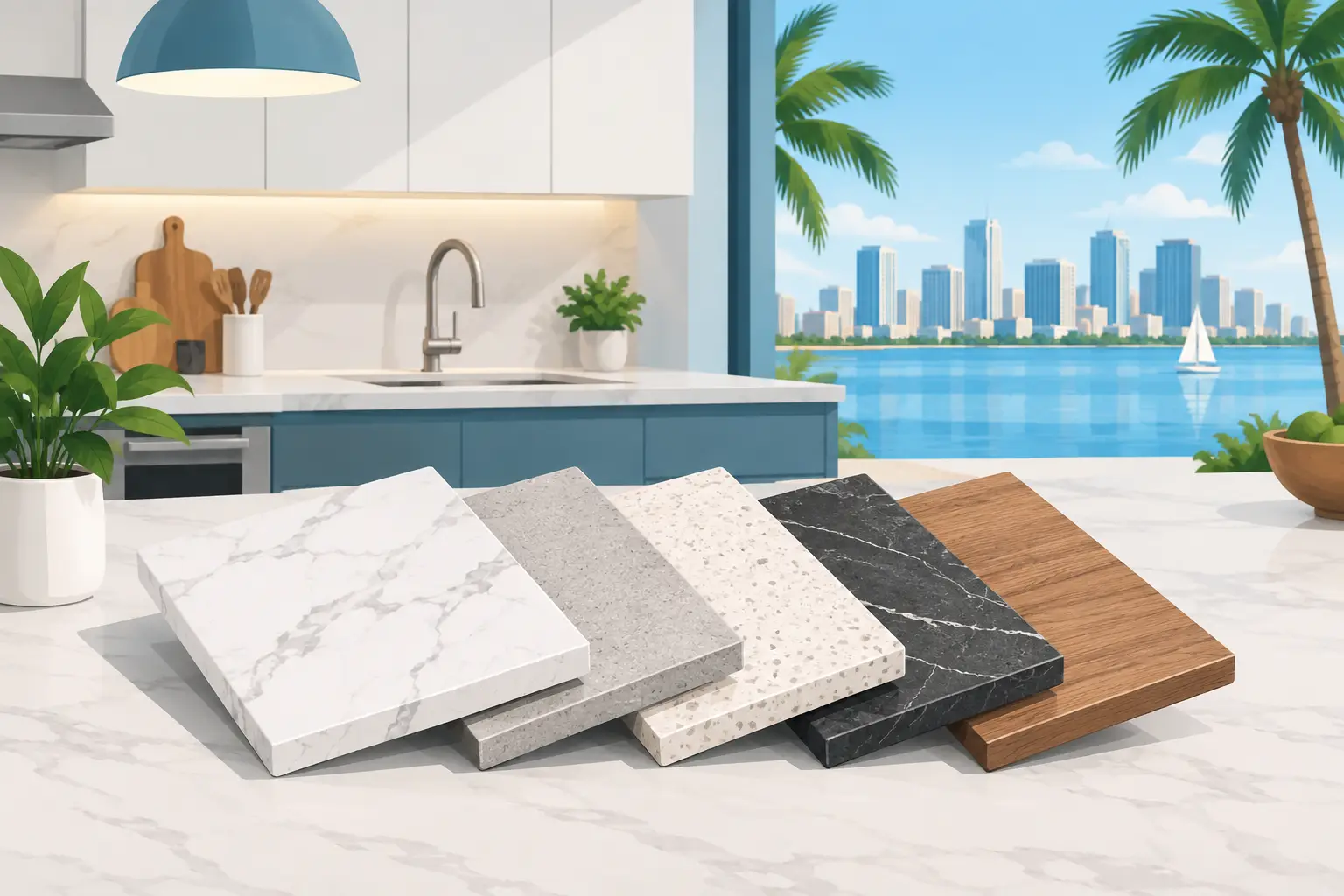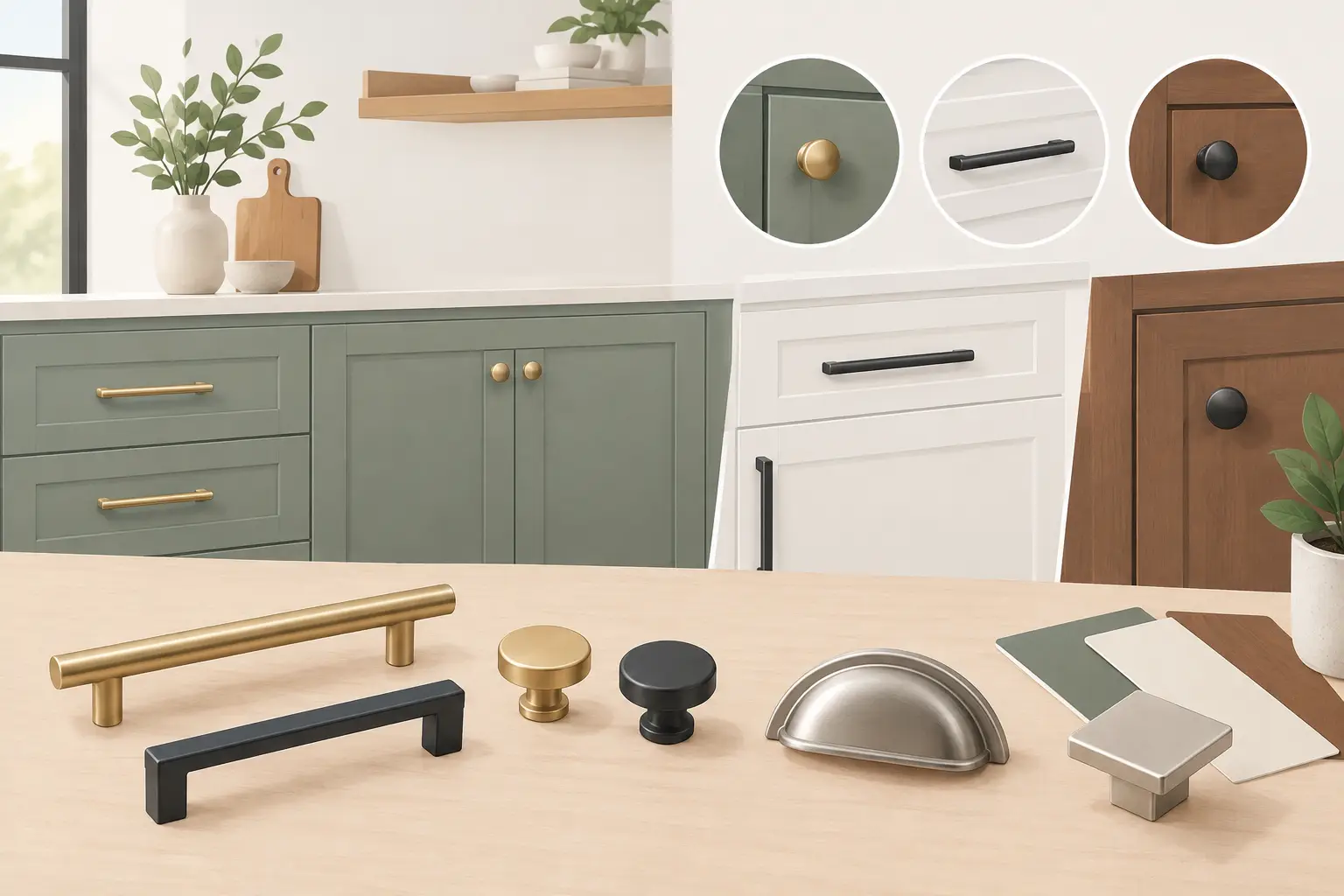


A kitchen floor works harder than almost any other surface in your home. It handles dropped utensils, wet shoes by the patio door, cooking spills, pet traffic, chair legs, and daily cleanup. That is why the best flooring for kitchen remodel decisions should start with real-life use, not just a sample that looks great under showroom lighting.
For many Greater Tampa Bay homeowners, the right choice also has to account for Florida humidity, concrete slab foundations, open-concept layouts, and a renovation budget that needs to go further. The good news is that there is no single “right” material. There is a right fit for your kitchen, your household, and the way you want the finished space to feel.
What the Best Flooring for a Kitchen Remodel Must Handle
Kitchen flooring needs to balance four priorities: water resistance, durability, comfort, and appearance. A floor can be beautiful but difficult to maintain, or highly durable but too hard and cold for someone who spends a lot of time cooking. The strongest remodel plans acknowledge those trade-offs early.
Start by thinking about what happens in your kitchen on an ordinary week. A busy household with children, pets, and frequent entertaining needs a forgiving floor that hides small messes and cleans easily. A quieter home may have more flexibility to choose a natural material that requires extra care. If the kitchen opens to a family room or living area, you may also want one continuous flooring material to make the home feel larger and more connected.
Water performance deserves special attention. No floor is truly immune to a major plumbing leak, but some materials handle everyday splashes, wet mopping, and Florida’s humid conditions far better than others. The quality of installation matters just as much as the material itself, particularly around dishwashers, refrigerators, sinks, and exterior doors.
Luxury Vinyl Plank: A Practical Favorite
Luxury vinyl plank, often called LVP, is one of the most popular choices for kitchen remodels because it delivers a convincing wood look with strong water resistance and a comfortable feel underfoot. It is available in a wide range of colors and plank widths, from warm oak looks to clean, modern blondes and rich coastal-inspired tones.
For a family kitchen, LVP is hard to beat on practicality. It is generally easier on the feet than tile, quieter than many hard surfaces, and resistant to the everyday scratches and spills that come with active homes. Quality products can also perform well over properly prepared concrete slabs, which makes them especially relevant in Tampa Bay homes.
Still, not every vinyl floor is built the same. Thickness, wear-layer quality, locking system, and subfloor preparation all affect how the finished floor performs. Very thin, inexpensive products may show unevenness from the subfloor or have a less natural appearance. A well-chosen LVP product is a value-focused choice, but it should not be selected on price alone.
Porcelain Tile: Built for Water and Wear
Porcelain tile remains a top contender when durability and water resistance are your first priorities. It will not swell from routine spills, holds up beautifully in high-traffic kitchens, and offers nearly endless design options. Today’s porcelain can resemble natural stone, wood planks, concrete, terrazzo, and large-format modern surfaces.
Tile makes particular sense for homeowners who want a floor that can stand up to years of cooking, entertaining, and easy cleaning. It is also a smart option when the kitchen connects to a laundry room, pool area, or other space where water and moisture are common.
The trade-off is comfort. Tile is firm underfoot and can feel cool, especially early in the morning. Grout lines require some maintenance, although stain-resistant grout options and larger tiles with fewer joints can reduce that concern. Installation can also cost more than floating-floor options because the substrate must be properly prepared and the layout requires careful planning.
For a kitchen with a clean, lasting look, porcelain tile is an investment worth considering. Choosing a slip-resistant finish is especially helpful near a sink or frequently used exterior entry.
Engineered Hardwood: Warmth With More Flexibility
Many homeowners love the warmth and character of real wood, particularly in kitchens that flow into dining and living areas. Engineered hardwood provides a real wood veneer over layered construction, which gives it better dimensional stability than solid hardwood. That makes it a more realistic wood option for many Florida homes.
Engineered hardwood can create a polished, high-end kitchen without making the room feel cold or overly formal. It works especially well with painted cabinets, warm white walls, and natural stone or quartz countertops. Wider planks and low-variation finishes can also help an open-concept layout feel calm and cohesive.
However, wood is not the best choice for every household. Standing water and repeated spills should be cleaned up promptly, and pet claws, dragged chairs, and heavy use can leave marks over time. Some engineered products can be refinished, while others have a thin veneer that limits future refinishing. Before choosing it, ask how much daily maintenance you are comfortable with and whether the product is rated for kitchen use.
Laminate and Sheet Vinyl: Budget-Friendly Options
Laminate flooring has improved significantly in appearance and durability. It can offer the look of wood at a lower cost, and newer water-resistant or waterproof-rated lines are better suited to kitchens than older laminates. It is a reasonable choice for homeowners who want a finished look without stretching the flooring budget too far.
The details matter here. Water-resistant does not always mean the floor can tolerate standing water for long periods, and moisture can still reach vulnerable edges or seams if installation is not done correctly. Laminate is often tougher against scratches than some wood finishes, but it cannot typically be refinished if it is damaged.
Sheet vinyl is another practical option that deserves more consideration than it sometimes receives. It offers excellent water resistance, a softer feel, and a broad range of looks at an accessible price. It can be particularly useful in kitchens where comfort, cleanup, and budget are the primary goals. Its main limitation is that it may not deliver the same premium visual effect as higher-end LVP, tile, or engineered hardwood.
Match Flooring to Your Cabinets and Countertops
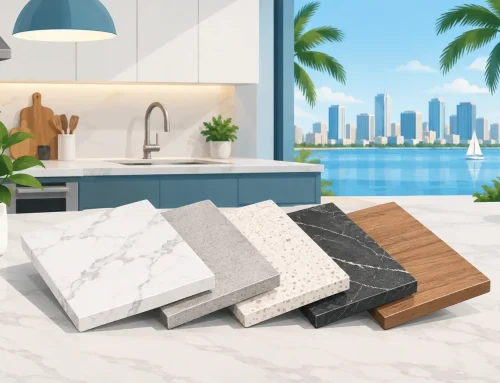
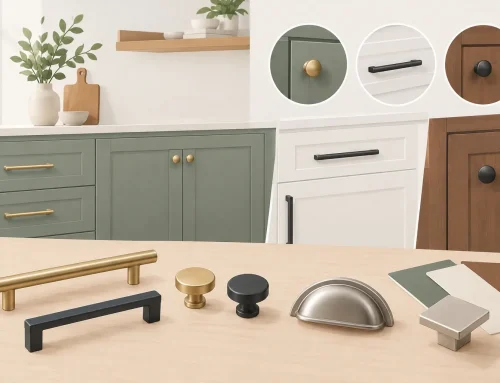
Flooring should support the rest of the kitchen rather than compete with it. A floor sample viewed by itself can be misleading, so compare it directly with cabinet door samples, countertop selections, backsplash ideas, and wall color before making a final decision.
If you are choosing busy granite, veined quartz, or a patterned backsplash, a quieter floor often creates better balance. If your cabinets and countertops are simple and neutral, flooring can introduce warmth, subtle texture, or contrast. Light wood-look flooring can make a smaller kitchen feel more open, while medium tones often hide dust and day-to-day wear better than very dark or very pale floors.
Avoid trying to match wood cabinetry and wood-look flooring exactly. Similar but slightly different tones can look accidental. It is usually better to create intentional contrast, such as warm medium floors with creamy cabinets or lighter oak floors with deep navy or charcoal cabinetry.
Plan for Installation Before You Order
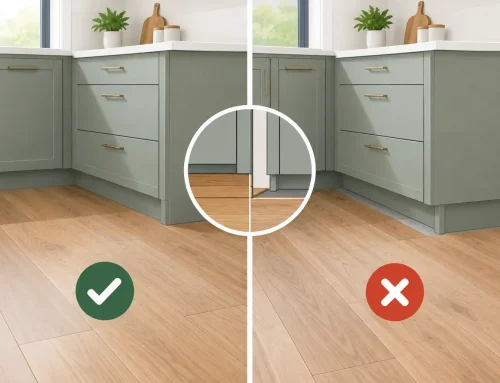
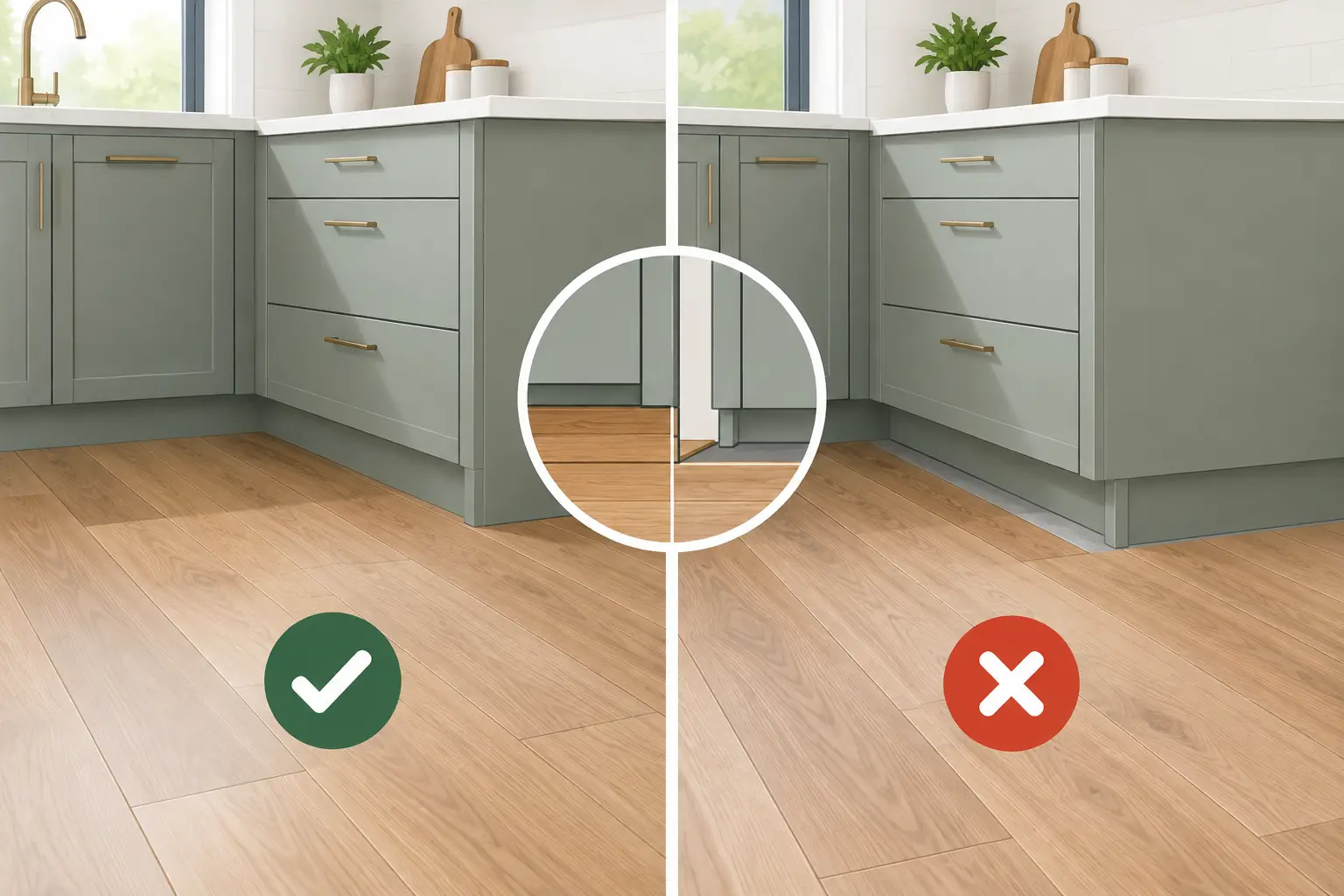
The best flooring choice can still disappoint if it is installed without considering the full remodel. Flooring height affects appliances, door clearances, baseboards, transitions to adjacent rooms, and the finished height of lower cabinets. In many kitchen renovations, the flooring plan should be coordinated before cabinet installation begins.
A professional measuring and design process also helps identify subfloor issues that may need correction. Concrete slabs can have moisture concerns or uneven areas. Older homes may have transitions that need thoughtful solutions. These details are not glamorous, but addressing them upfront helps prevent costly adjustments later.
It is also worth ordering enough material for proper layout, cuts, and a small reserve for future repairs. The lowest initial price is not always the best value if it leaves no room for preparation, quality underlayment, trim, or skilled installation.
Make the Choice That Fits Your Daily Life
For most Tampa Bay kitchen remodels, luxury vinyl plank and porcelain tile offer the strongest combination of durability, water performance, and value. Engineered hardwood is a beautiful option when the warmth of real wood matters and your household is prepared for its care. Laminate and sheet vinyl can make a smart, affordable choice when selected carefully and installed correctly.
Your floor is the foundation of the entire room, so it deserves more than a quick decision at the end of the project. Bring your cabinet, countertop, and flooring ideas together early, then choose the material that will still look and feel right after years of dinners, celebrations, spills, and everyday life.