

A cabinet quote can look simple at first glance: a total at the bottom and a list of cabinets above it. But two quotes with similar-looking kitchens can differ by thousands of dollars because they include different materials, services, and assumptions. Knowing how to compare cabinet quotes protects your budget before demolition starts – and helps you choose a solution you will be happy to live with for years.
The lowest number is not automatically the best value. The right quote is the one that clearly defines what you are receiving, fits the way you use your kitchen or bathroom, and leaves fewer expensive questions for later.
Start by comparing the scope, not the total
Before comparing prices, confirm that every company is quoting the same room plan. Are the cabinet runs the same length? Does each design include the same island, pantry cabinet, vanity size, drawer banks, and wall cabinets? A quote with fewer cabinets or less storage may look like a bargain until you realize it does not solve the problems that prompted the remodel.
Ask for a cabinet layout or itemized cabinet schedule with each proposal. It should identify cabinet widths, heights, depths, finishes, door styles, and accessory cabinets. If one quote includes 36-inch wall cabinets and another includes 30-inch cabinets, the second price may be lower for a reason. The same applies to a finished end panel, decorative hood surround, or furniture-style bathroom vanity.
This is especially important when comparing a full-service remodeling quote with a cabinets-only quote. One may include design, delivery, installation, removal of existing cabinets, and project coordination. The other may cover only boxed cabinets. Neither approach is wrong, but they are not directly comparable until you account for the work still left on your list.
How to compare cabinet quotes line by line
A detailed quote makes it easier to see what is included and where costs may change. Review each proposal in the same order instead of jumping straight to the grand total.
Cabinet construction and materials
Cabinets that look alike from across the room can be built very differently. Compare the cabinet box material, drawer construction, shelves, hinges, and finish process. Ask whether the box is furniture board, plywood, or another material, and whether shelves are adjustable and sturdy enough for everyday dishes, small appliances, or pantry items.
For drawers, look at the glide type and weight rating. Soft-close doors and drawers are often expected in a modern kitchen, but confirm they are included rather than assumed. Door material matters, too. Painted MDF doors, solid wood doors, and thermofoil doors each have different price points and performance characteristics. The best fit depends on your budget, style preference, and how much wear the room receives.
Do not assume a higher-priced cabinet is always necessary. A well-made affordable cabinet line can be an excellent choice for many Tampa Bay homes. The key is understanding what you are paying for and selecting construction that matches the project.
The cabinet types and storage features
Count the useful storage, not just the number of boxes. A base cabinet with two doors is less convenient than a drawer base for pots and pans, but it may cost less. A blind-corner cabinet may need an organizer to be truly functional. A tall pantry cabinet, pull-out trash unit, spice pull-out, tray divider, or lazy Susan can change how a kitchen works every day.
If one quote includes accessories and the other does not, add the missing items before deciding which is less expensive. Accessories can be a smart investment, but not every upgrade is essential. Prioritize the features that fix a real pain point in your current kitchen or bath.
Finish, door style, and decorative details
Door style and finish can affect cabinet pricing more than homeowners expect. Shaker doors are often a cost-conscious, versatile option, while inset doors, specialty finishes, glazing, high-gloss surfaces, and more detailed profiles can raise the price.
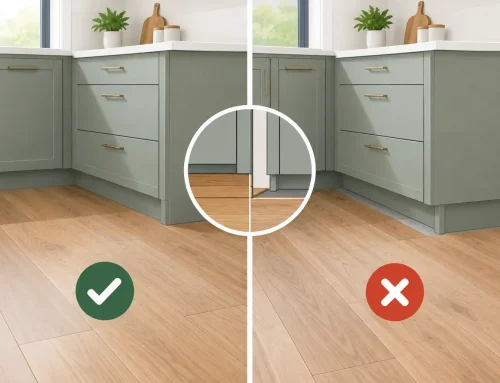
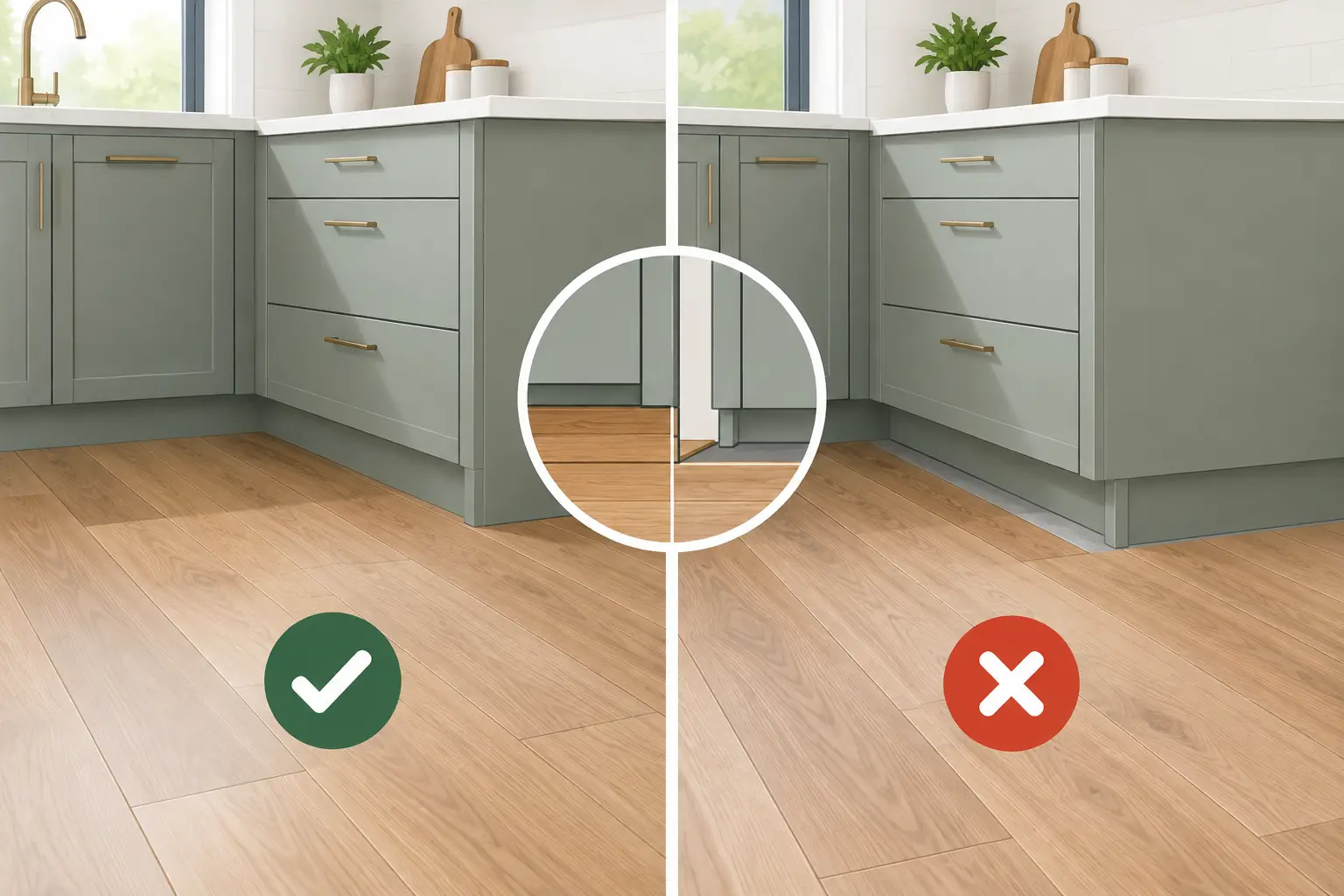
Also compare the items that create a finished look: crown molding, light rail, toe-kick material, filler strips, finished side panels, refrigerator panels, and island back panels. These details are sometimes listed separately, sometimes included in a package, and sometimes left out until later. If they are part of the design you want, they need to be part of the price you compare.
Separate product costs from service costs
A cabinet purchase is rarely just a cabinet purchase. Delivery, assembly, installation, design revisions, measuring, and coordination can be included, optional, or excluded entirely. Ask each provider to identify these costs clearly.
A professional measurement and design process can prevent common issues such as cabinets that block appliance doors, an island with inadequate walkway clearance, or a vanity that conflicts with plumbing locations. For DIY homeowners, receiving accurate cabinet specifications and support can still be valuable, even when you plan to handle installation yourself.
For a full remodel, installation is only one part of the labor picture. A complete quote may also include demolition, hauling, flooring removal, drywall repair, plumbing, electrical work, countertops, backsplash, painting, and permits where needed. If these items are not included, ask whether they are expected and who will manage them. An allowance is not the same as a fixed price, so find out what happens if the actual cost exceeds the allowance.
Watch for exclusions and allowances
The most frustrating quote surprises usually appear in the fine print, not the cabinet line items. Read exclusions carefully and ask questions before signing. Four areas deserve close attention:
- Countertops: Confirm the material, edge profile, square footage, sink cutouts, backsplash, tear-out, and template or installation charges.
- Appliances: Verify whether appliance panels, trim kits, ventilation requirements, and final appliance placement are included.
- Site conditions: Ask how uneven walls, water damage, mold, subfloor repairs, or electrical and plumbing changes will be handled.
- Changes after approval: Understand revision fees, restocking fees, cancellation terms, and the cost of adding cabinets after the order is placed.
A quote does not need to predict every hidden condition inside your walls. It should, however, explain how unforeseen work will be documented, approved, and priced. Clear communication is often worth more than a slightly lower starting number.
Compare timelines, payment terms, and responsibility
Cabinet lead times can vary by line, finish, and availability. Ask when the order will be finalized, when cabinets are expected to arrive, and whether the project schedule depends on countertop templating, inspections, or other trades. If your kitchen will be out of service, a realistic timeline matters as much as the cabinet price.
Review payment terms as well. A deposit is standard for custom-ordered cabinetry, but you should know what triggers each payment and what happens if materials arrive damaged or incomplete. Ask who inspects the order, files freight claims, coordinates replacements, and handles warranty concerns.
This is where working with a local partner can make a practical difference. The Cabinets Store helps homeowners compare options across cabinetry, countertops, flooring, and installation so the project is planned as one connected scope rather than a series of separate purchases.
Use a simple apples-to-apples worksheet
Place each quote side by side and write down the total for cabinets, accessories, delivery, installation, demolition, countertops, and any other major category. Then mark what is included, excluded, or listed as an allowance. You do not need a complicated spreadsheet. The goal is to make missing pieces visible.
Next, compare the design itself. Which proposal gives you the storage, finish, and layout you want? Which company has taken responsibility for measuring and coordinating the work? Which quote gives you clear answers when you ask about materials, timing, and change orders? A slightly higher total can be the better value when it includes durable components, essential services, and fewer unknowns.
Bring every quote, sketch, and inspiration photo to your cabinet consultation. A trustworthy design team should be willing to walk through the differences without pressure, explain where costs come from, and help you decide which upgrades are worth keeping. A clear quote is more than a price – it is the first sign that your remodel is being planned with care.