

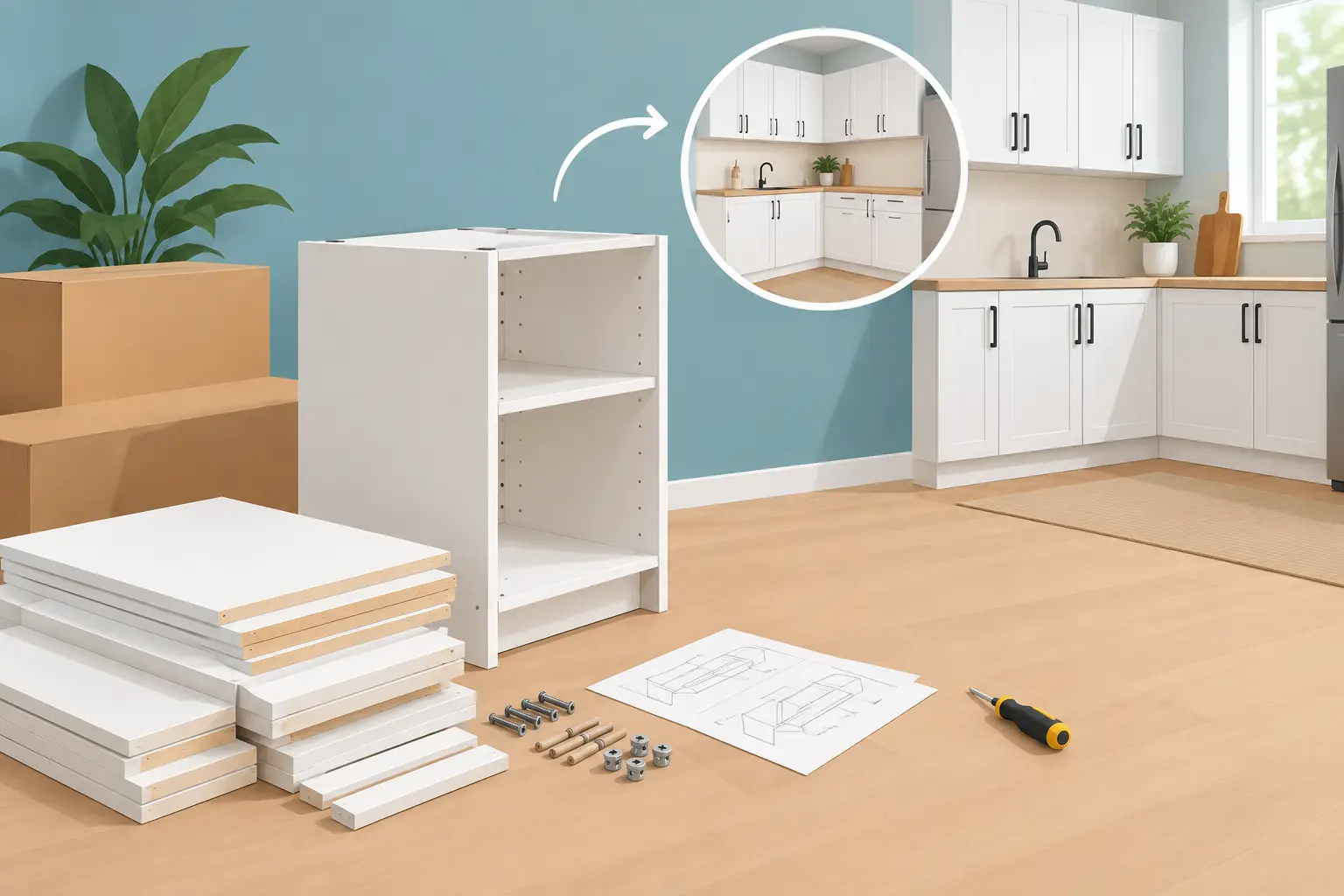
A lower cabinet quote can look very appealing until you picture the stack of boxes in your garage, the missing screw you cannot find, and a remodel schedule already in motion. This ready to assemble cabinets review gives Tampa Bay homeowners a realistic look at what RTA cabinets do well, where they can fall short, and how to decide whether they fit your kitchen or bathroom project.
Ready-to-assemble cabinets are delivered in flat-packed boxes and assembled on site before installation. They are not automatically cheap cabinets, and fully assembled cabinets are not automatically better. The difference comes down to construction, finish quality, who is doing the assembly, and how much time you can reasonably put into the project.
Ready to Assemble Cabinets Review: The Real Value
The primary appeal of RTA cabinets is value. Shipping cabinets flat uses less space and can reduce freight costs. Manufacturers also avoid some of the labor involved in assembling every cabinet before delivery. Those savings can make a noticeable difference in a renovation budget, especially when a kitchen requires many cabinets.
For homeowners replacing dated builder-grade cabinetry, that savings may create room in the budget for better countertops, a more functional layout, upgraded hardware, or professional installation. A well-planned kitchen is often more valuable than spending every available dollar on a cabinet box that looks similar once the doors are closed.
RTA also offers more choice than many people expect. Depending on the cabinet line, you may find popular door styles, painted and stained finishes, pantry cabinets, pull-out accessories, vanity options, and decorative pieces such as crown molding or end panels. That makes RTA a practical option for projects that need a finished, coordinated look without the price of fully custom cabinetry.
Still, price should not be the only deciding factor. Two RTA cabinet lines can look alike in a photo while having very different box materials, drawer construction, finish durability, and assembly methods. The better question is not, “Are RTA cabinets good?” It is, “Is this particular cabinet line built for the way my household uses the room?”
What Quality Looks Like in RTA Cabinets
A cabinet door is the most visible part of the kitchen, but the cabinet box does the daily work. Look beyond the finish sample and ask how the cabinets are constructed.
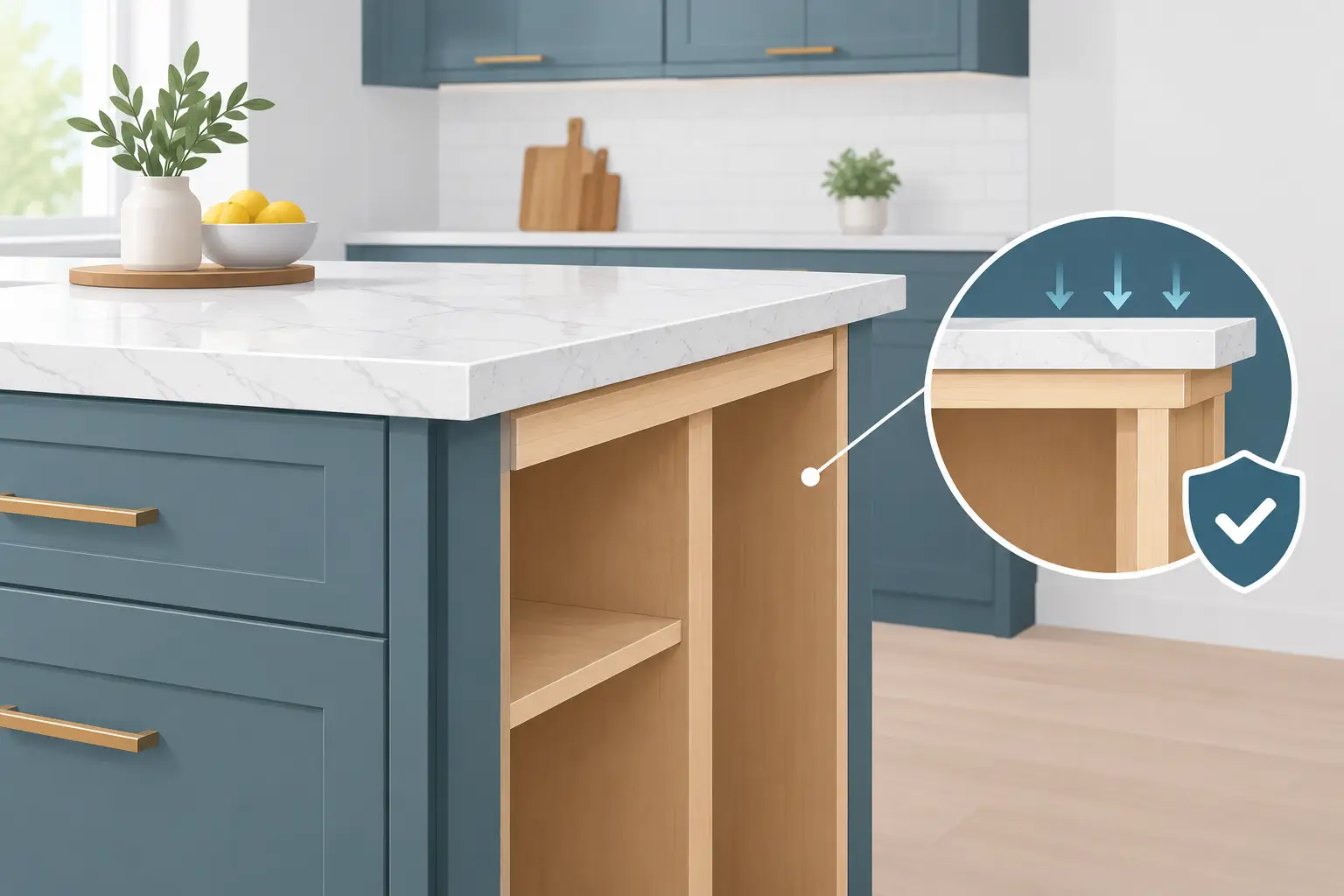
Plywood cabinet boxes are generally a stronger choice than thin particleboard, particularly around sinks, dishwashers, and other areas where moisture is common. A quality cabinet line may also include solid wood drawer boxes, reinforced corners, full-extension drawer glides, and soft-close hinges. These are not just showroom features. They affect how cabinets feel, how much they can carry, and how well they hold up over time.
Assembly hardware matters, too. Cam-lock systems can be efficient when assembled correctly, while dovetail joints and glue-supported construction can add strength in drawers and cabinet frames. There is no single construction detail that guarantees quality. Instead, consider the whole cabinet: box material, back panel thickness, face frame or frameless design, drawer system, finish, and warranty.
Finish quality deserves close attention in Florida homes. Kitchens and bathrooms experience humidity, heat, steam, and frequent cleaning. A durable painted finish should look even across doors and trim, while stained cabinets should have consistent color and grain appearance. Ask to see a real door sample when possible. Photos can hide differences in sheen, texture, and color.
The Assembly Question: Savings vs. Time
RTA cabinets save money partly because they require assembly. For an experienced DIY homeowner with a clean workspace, basic tools, patience, and accurate instructions, assembling a few cabinets can be manageable. The process becomes more demanding when you are handling a full kitchen, tall pantry cabinets, multiple trim pieces, or a tight renovation deadline.
Each box needs to be unpacked, inspected, assembled squarely, and stored safely before installation. If one cabinet is out of square, doors and drawers may not align correctly. Small mistakes can show up later as uneven gaps, a drawer that rubs, or a cabinet that does not sit flush with the next one.
Professional assembly can be a smart middle ground. You still benefit from an affordable cabinet line, while a trained team handles squaring, leveling, installation, filler placement, and final door adjustments. This is particularly helpful in older Tampa Bay homes, where floors and walls are not always perfectly level or straight.
RTA is usually most rewarding for homeowners who have time, confidence, and a clear plan. It may be less appealing if your kitchen will be out of service for a short window, you are coordinating several trades, or you prefer one team to manage the details from design through installation.
Where RTA Cabinets Work Especially Well
Ready-to-assemble cabinets are a strong fit for many practical projects. A rental property refresh, laundry room upgrade, guest bathroom vanity replacement, or secondary kitchen can benefit from their cost-conscious approach. They can also work beautifully in a primary kitchen when the cabinet line has dependable construction and the design is measured correctly.
A straightforward layout tends to make the process easier. Galley kitchens, L-shaped kitchens, and simple vanity runs generally require fewer specialty pieces and less complicated trim work. That does not mean RTA cannot support a larger renovation. It simply means the design phase becomes more important as the room becomes more detailed.
If you want a large island, appliance panels, stacked wall cabinets, a range hood surround, or custom-looking storage, confirm what the line can accommodate before ordering. Some projects need a combination of stock cabinet sizes, filler strips, panels, and careful installation to achieve the polished result homeowners expect.
When Fully Assembled or Semi-Custom May Be Better
RTA does have limits. If your room has unusual angles, very tight clearance issues, or a layout that depends on nonstandard cabinet sizes, semi-custom cabinetry may offer a better solution. The same is true when you need exact color matching, highly specialized storage, or cabinetry designed around a difficult existing condition.
Fully assembled cabinets can also make sense when labor time is more valuable than the initial savings. For example, a homeowner completing a fast move-in renovation may prefer cabinets that arrive ready for installation. The upfront cost can be higher, but the reduced assembly work may keep the project moving.
Custom and semi-custom options are not only for luxury homes. They are problem-solving tools. When an inch matters, when a wall is far out of plumb, or when you want cabinetry built around a specific need, paying for flexibility can prevent awkward gaps and costly workarounds.
Avoid the Most Common RTA Cabinet Mistakes
The most expensive cabinet mistake is ordering before the design is final. Cabinets affect appliance locations, countertop measurements, plumbing, electrical work, flooring transitions, and traffic flow. A cabinet that technically fits on paper may still create a tight refrigerator opening or block a dishwasher from opening fully.
Measure carefully, but do not rely on one measurement alone. Record wall lengths, window and door trim, ceiling height, soffits, outlets, plumbing, vents, and appliance specifications. Check for walls that bow and floors that slope. In a kitchen, the finished floor height matters as much as the wall dimensions.
It is also wise to order enough matching trim, panels, and touch-up material from the start. Cabinet styles and finishes can change over time, and a last-minute need for one more panel can slow an otherwise finished project. Inspect every shipment promptly, even if installation is still weeks away, so any damaged or incorrect parts can be identified early.
Finally, separate the cabinet price from the full project cost. Include delivery, assembly, installation, demolition, countertop fabrication, plumbing, electrical work, hardware, and permits where needed. RTA cabinets can be an excellent value, but only if the complete budget still works.
Getting a Better Result From an RTA Cabinet Plan
The best RTA projects start with a design that respects the room and the people using it. Think about where groceries land, where pans are stored, how often two people cook at once, and whether aging-in-place features would make the space more comfortable. A cabinet plan should solve everyday frustrations, not simply fill every open wall.
For Tampa Bay homeowners who want affordable cabinetry with professional guidance, The Cabinets Store can help evaluate cabinet options, plan the layout, and coordinate the pieces that turn boxes into a finished room. Design support is especially valuable before an order is placed, when changes are simple and far less expensive.
Ready-to-assemble cabinets can be a smart, attractive choice when the construction is right, the plan is accurate, and the assembly is handled with care. The right cabinet is not the one with the lowest sticker price. It is the one that gives your home the look, storage, and day-to-day reliability you want without putting the rest of your renovation at risk.






Leave A Comment
You must be logged in to post a comment.