
A dated kitchen does not always need a full demolition to feel new again. If you have been asking, “what is kitchen cabinets refacing?” the short answer is that it is a way to update the visible parts of your cabinets while keeping the existing cabinet boxes in place. New doors, drawer fronts, hardware, and exterior finishes can give the room a dramatically different look without starting from scratch.
For many Tampa Bay homeowners, refacing is an appealing middle ground between painting old cabinets and investing in a complete cabinet replacement. It can be a practical choice when the layout works, the cabinet boxes are in good condition, and the goal is to improve style, function, and resale appeal without taking on a larger renovation than necessary.
What Is Kitchen Cabinet Refacing?
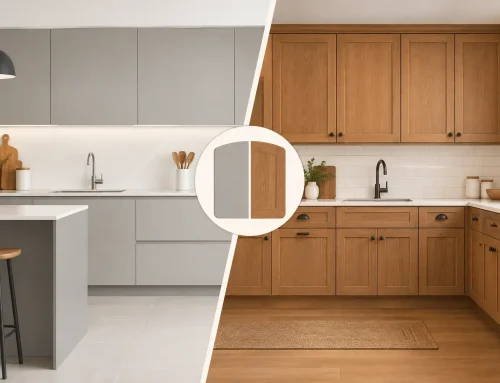
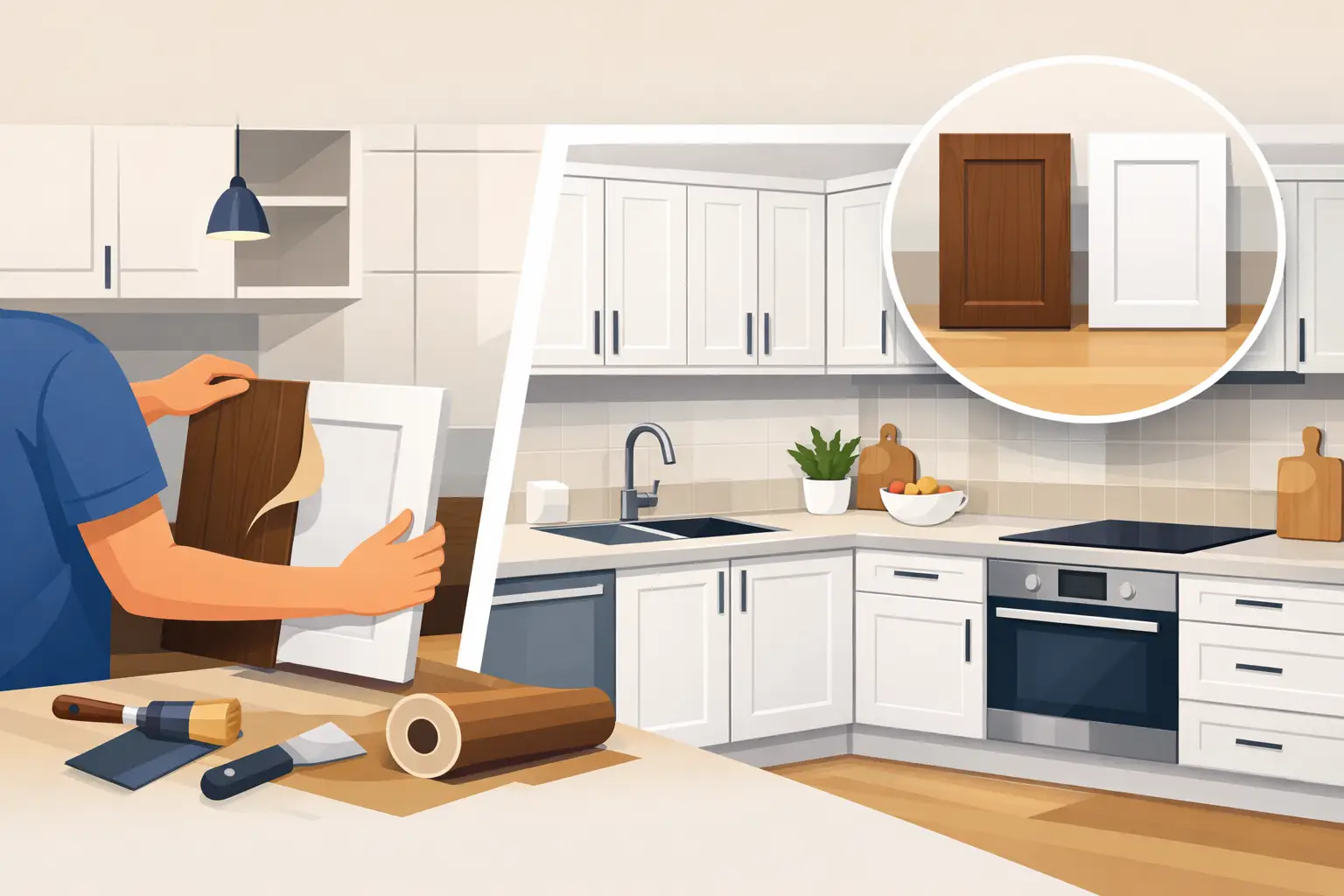
Kitchen cabinet refacing is a renovation process that keeps the existing cabinet frames or boxes, then replaces or covers the parts you see. The contractor typically removes the old doors and drawer fronts, applies a new matching surface material to the exposed cabinet frames, and installs new doors, drawer fronts, hinges, pulls, and knobs.
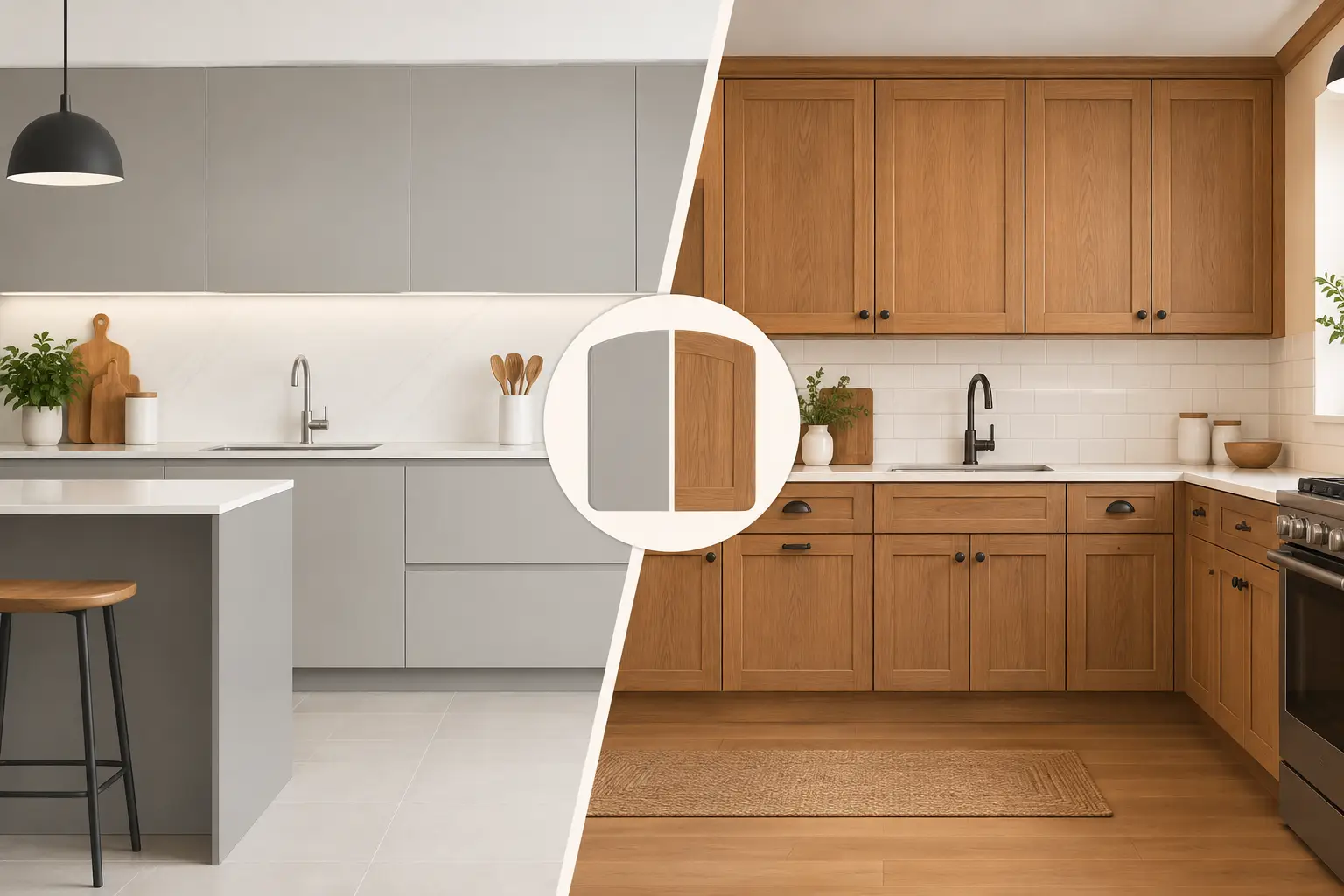
The result is designed to look like a new cabinet installation from the front. Homeowners can often choose a completely different door profile, color, and finish. A traditional raised-panel kitchen can become a clean shaker-style space, for example, while an older wood finish can be updated with a painted look or a modern wood-grain finish.
Refacing is not the same as simply painting cabinets. Paint changes the color of existing doors and frames, including their original door style and any wear they have accumulated. Refacing replaces the doors and drawer fronts, which gives you more control over the finished appearance. It also is not the same as full cabinet replacement, because the cabinet boxes remain where they are.
How the Cabinet Refacing Process Works
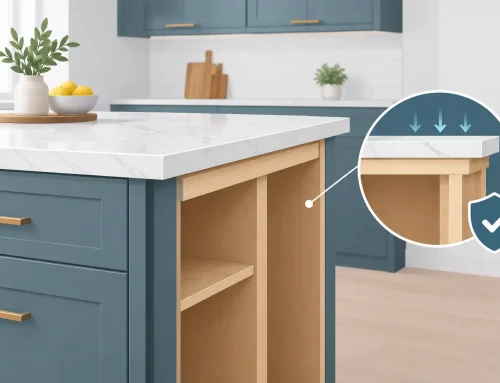
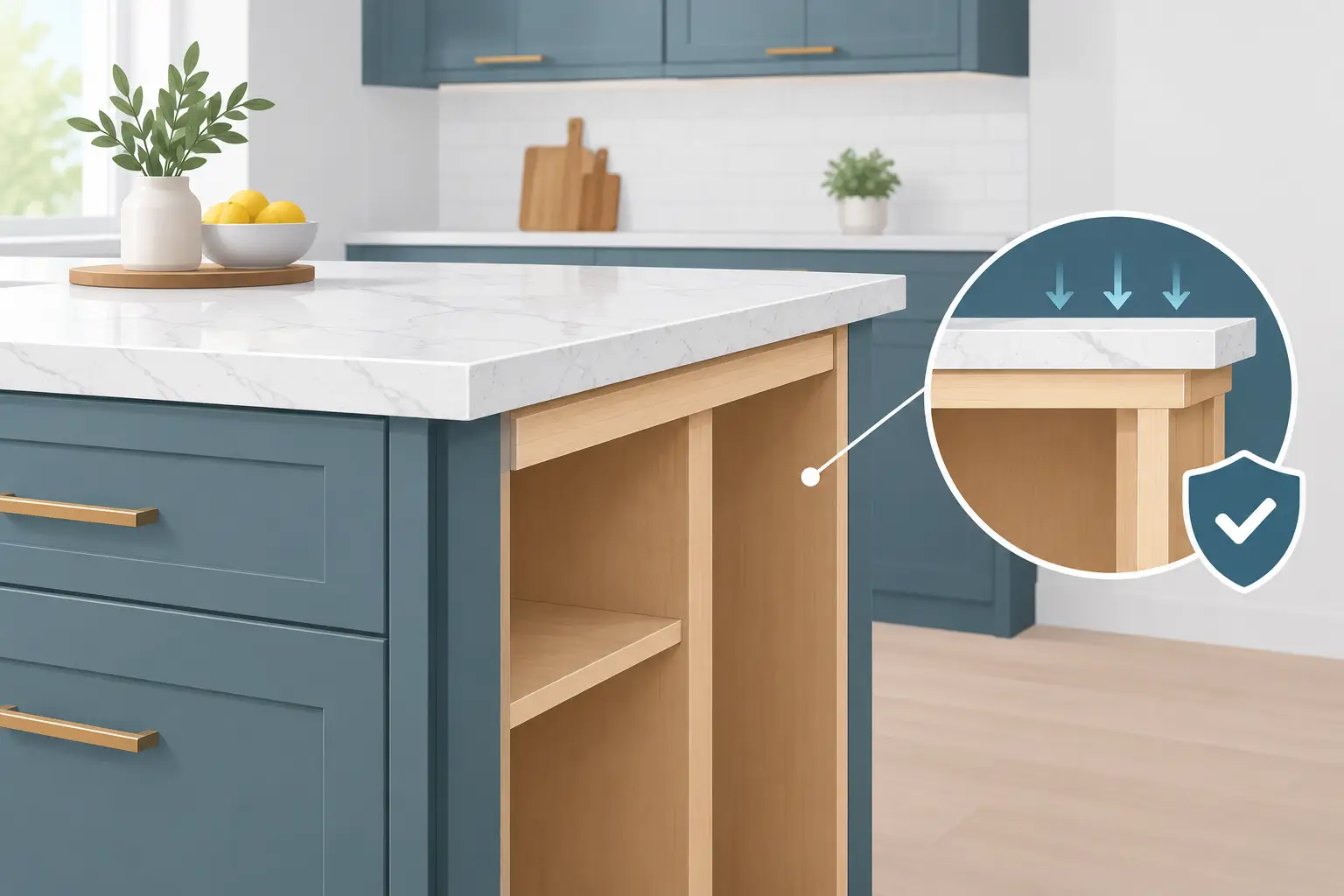
A successful refacing project starts with an honest evaluation of the existing cabinetry. The cabinet boxes need to be structurally sound, securely attached, and free of major water damage, warping, mold, or pest issues. The doors may be outdated or worn, but the frames behind them must still be worth keeping.
Once the cabinets are approved for refacing, measurements are taken for the new doors, drawer fronts, and frame coverings. The new components are ordered to fit the existing layout. During installation, the old doors and drawer fronts are removed, visible frame surfaces are prepared and covered with a coordinating material, and the new fronts are installed and adjusted.
Hardware is one of the finishing details that can make a refaced kitchen feel intentional rather than patched together. New soft-close hinges, drawer slides where possible, pulls, knobs, and accessories can add both convenience and polish. If your current drawer boxes are in good shape, they may stay. If they are not, options may be available to improve or replace them as part of the project.
Countertops, backsplash, flooring, lighting, and paint can also be updated around the refaced cabinets. This is where a modest cabinet update can become a more complete kitchen transformation. The key is coordinating the materials before installation begins, so the door finish works with the countertop, wall color, and fixtures you plan to keep.
When Refacing Makes Good Sense
Refacing is often a strong option when you like your kitchen’s basic footprint. If the sink, range, refrigerator, and storage locations already work for your household, there may be no need to tear out usable cabinet boxes just to get a new style.
It can also make sense for homeowners who want a faster, less disruptive update. Because the existing boxes stay in place, there is usually less demolition, less mess, and less time without a usable kitchen than with a full replacement. The exact schedule depends on material availability, the size of the kitchen, and whether you are also changing countertops or other finishes.
Budget is another major consideration. Refacing generally costs less than replacing cabinets with a comparable new product because it uses the existing cabinet structure and reduces installation labor. That said, it is not automatically the lowest-cost option. Premium door materials, specialty finishes, significant hardware upgrades, countertop work, and changes to the cabinet configuration can all affect the final investment.
Refacing can be especially worthwhile when the current cabinets were well built but their style has not kept pace with the rest of the home. Solid, functional cabinet boxes do not have to stay hidden behind dated oak doors or tired laminate fronts.
When Full Cabinet Replacement Is the Better Choice
Cabinet refacing has limits, and a good renovation plan should acknowledge them. If your cabinets are damaged by water, sagging, separating from the wall, or made from deteriorating materials, replacement is usually the smarter long-term decision. Refacing a weak cabinet box only improves its appearance, not its condition.
Replacement is also the better route when the layout is the problem. Maybe you need deeper drawers for pots and pans, a larger pantry, an island, better corner storage, or space for new appliances. Refacing cannot move cabinet boxes or meaningfully change their dimensions. While small modifications can sometimes be made, a redesigned kitchen generally calls for new cabinetry.
Homeowners should also consider the interior condition of their cabinets. Refacing changes the exterior most dramatically. If the inside shelves are worn, the drawers are undersized, or storage is not working for your family, a new cabinet plan may offer better value over time.
Ask These Questions Before Choosing
Before deciding between refacing and replacement, think through how you use the kitchen every day. Are you happy with the layout? Do the cabinet boxes feel solid? Is the goal mostly cosmetic, or do you need better storage and more usable workspace?
It also helps to consider the age and future plans for the home. If you are preparing for a sale and the cabinetry is structurally sound, refacing may create a fresh, appealing look without a full remodel. If this is your long-term home and the kitchen creates daily frustrations, investing in a redesigned cabinet layout may be the better answer.
Door Styles and Finishes Can Change the Entire Room
One advantage of refacing is the freedom to choose a door style that fits your home now, not the decade when the kitchen was installed. Shaker doors remain popular because they work across traditional, transitional, and modern spaces. Slim shaker profiles, flat-panel slab doors, raised-panel designs, and glass-front accents can each create a different feel.
Finish selection deserves the same attention. White and soft neutral cabinets can brighten a compact kitchen, while warm wood tones add depth and comfort. Darker finishes can look striking in larger, well-lit spaces but may make a small kitchen feel heavier. In Tampa Bay homes, natural light is often plentiful, but lighting should still be evaluated in the actual room before committing to a color.
Samples are useful because cabinet finishes can look different under daylight, overhead lighting, and evening task lighting. A finish that looks perfect in a showroom may read warmer, cooler, or darker once it is next to your countertop and backsplash.
Costs, Timing, and What Affects the Quote
There is no one-size-fits-all price for cabinet refacing. The number of cabinets, door style, finish material, drawer-front count, hardware, box condition, and related work all influence the quote. A kitchen with a simple layout and standard doors will be different from a large kitchen with decorative panels, glass inserts, crown molding, and upgraded storage accessories.
It is also wise to plan for connected work. If countertops are being replaced, the sequence of installation matters. If you are adding a backsplash, under-cabinet lighting, flooring, or new appliances, those decisions should be coordinated early. A clear plan helps prevent unnecessary rework and gives you a more accurate picture of the total project cost.
Working with a local kitchen professional can make this process easier. The Cabinets Store helps homeowners compare cabinet solutions, select materials that fit their budget and style, and coordinate the details that turn a collection of choices into a finished kitchen.
Refacing vs. Painting: Which Update Fits Your Kitchen?
Painting is usually the more economical cosmetic update when cabinet doors are in good condition and you like their existing profile. It can be effective for a quick refresh, but prep work is critical. Grease, surface damage, poor previous finishes, and heavy use can affect how well paint holds up over time.
Refacing costs more than painting, but it replaces the doors and drawer fronts instead of asking old components to look new again. It is often the better choice when you want a different door style, upgraded hinges, fresh hardware, and a more complete visual change without replacing every cabinet box.
The best choice depends on what you want the project to accomplish. If you simply want a new color, painting may be enough. If you want your kitchen to look like it received new cabinetry while keeping a workable layout, refacing may be the right fit.
A beautiful kitchen does not always begin with tearing everything out. Start by looking closely at what is worth keeping, what no longer serves your household, and which update will make you happiest every time you walk into the room.