

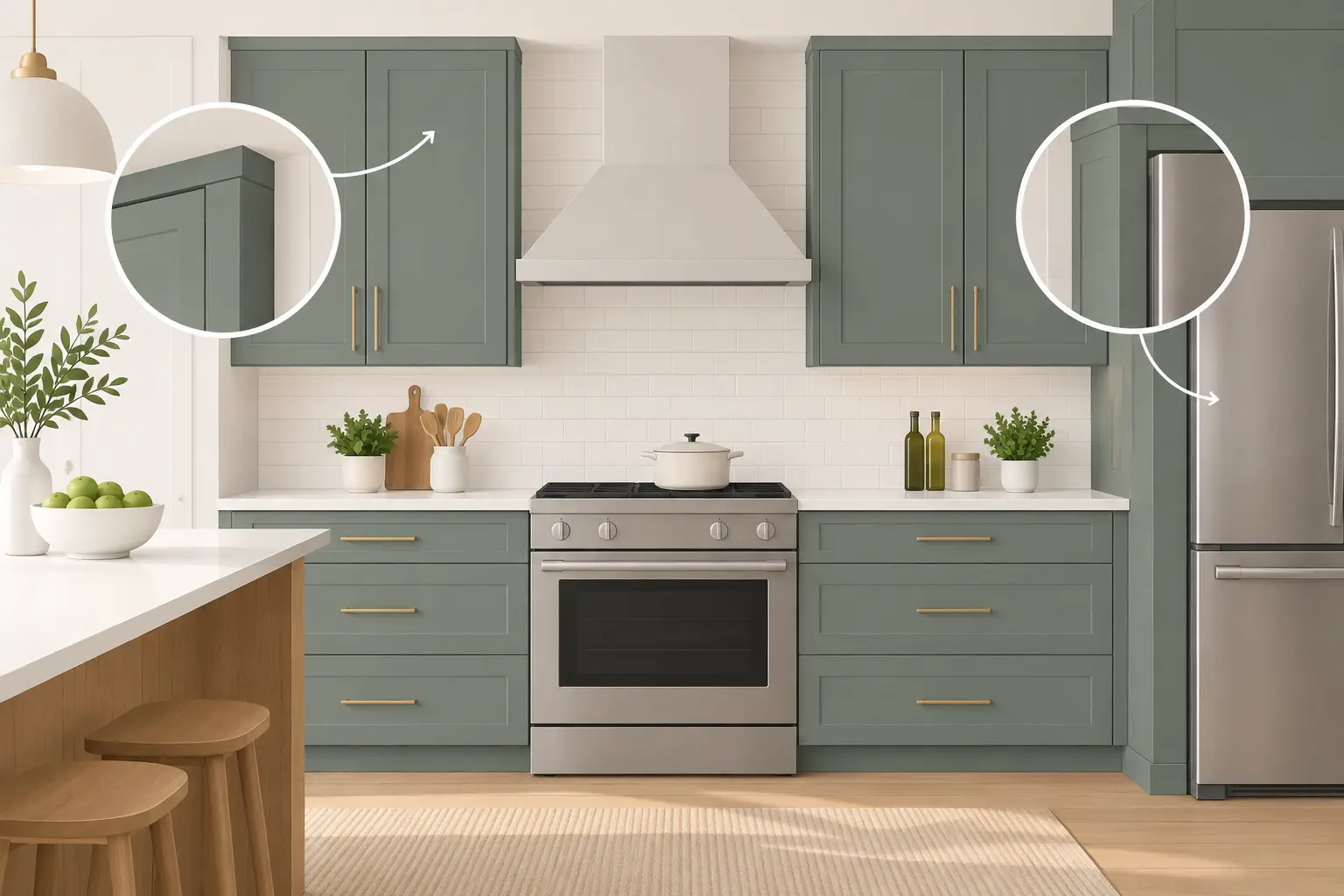
A kitchen can look beautifully designed on paper and still run into trouble when cabinet doors meet a wall, an appliance, or a corner. That is why homeowners often ask, are cabinet fillers necessary? In many kitchens, yes. These narrow cabinet components create the clearance needed for doors, drawers, and hardware to work correctly while giving the finished room a clean, intentional appearance.
A filler is not an unwanted shortcut or a sign that cabinets were measured poorly. When planned correctly, it is a practical part of a professional cabinet layout. The key is knowing where it serves a purpose, how wide it should be, and when another design solution may be better.
What Cabinet Fillers Actually Do
Cabinet fillers are narrow pieces of finished material installed between a cabinet and an adjacent surface, usually a wall. They can also appear beside appliances, at the end of a cabinet run, or near corners where door and drawer movement needs extra room.
Most fillers match the cabinet door style and finish, so they blend into the overall design. Depending on the cabinet line and the space, a filler may be a slim strip or a wider piece cut and finished during installation.
Their primary job is clearance. Cabinet doors need room to open without striking a wall, door casing, window trim, or nearby cabinet hardware. Drawers need enough space to pull out fully. A filler can also help an installer account for walls that are not perfectly straight or square, which is common in both older Tampa Bay homes and newer construction.
Are Cabinet Fillers Necessary Next to Walls?
Often, yes. A cabinet installed tight against a side wall may look efficient at first, but the door could only open partway. If there is a pull or knob, it may hit the wall before the door has fully opened. Even a handle-free cabinet door can bind against uneven drywall or trim.
A wall filler provides a small but valuable buffer. The exact width depends on the cabinet style, hinge type, hardware projection, and how the door swings. A cabinet with large decorative pulls may require more clearance than one with small knobs. Full-overlay doors also tend to need careful planning because they cover more of the cabinet frame.
This is especially relevant at the end of an upper-cabinet run. A door that cannot open fully can make shelves difficult to access and can put unnecessary stress on hinges over time. In a busy kitchen, that small inconvenience becomes noticeable every day.
Fillers at Corners Need Careful Planning
Corner cabinet areas are another common location for fillers. Without enough space, one cabinet door may collide with the handle or door of the adjacent cabinet. The problem can be more pronounced with angled corner cabinets, pull-out accessories, and deep drawers.
A well-designed corner layout gives each door and drawer its own operating space. Sometimes this means using a filler. In other cases, the right cabinet configuration, such as a blind corner cabinet with the proper allowance, can solve the issue. This is one reason cabinet design should be planned before cabinets are ordered, not adjusted after delivery.
Fillers Around Appliances and Tall Cabinets
Fillers can be necessary near refrigerators, dishwashers, ranges, wall ovens, and pantry cabinets. Appliances have their own clearance requirements, but cabinet function matters too.
For example, a refrigerator placed too close to a wall may not allow its doors to open wide enough for crispers and interior drawers to slide out. A refrigerator panel and filler arrangement can create the needed space while producing a built-in look. The right approach depends on the refrigerator model, including its hinge design and door depth.
Tall pantry cabinets may need fillers at one or both sides if they sit against walls. Because pantry doors are long, they can hit a nearby wall or trim more easily than a standard base cabinet door. A filler also gives installers room to shim and secure a tall cabinet properly when the wall is out of plumb.
Dishwashers require a different type of consideration. They need a correctly sized opening and should not be pinched by cabinets that are too tight. While a filler is not always the answer, it may be part of the final layout when cabinet widths do not align neatly with the appliance opening.
When You May Not Need a Cabinet Filler
Not every cabinet run requires a filler. If an exposed cabinet side ends in an open area, a finished end panel may be the better choice. If a cabinet is positioned far enough from a wall for its door and hardware to function freely, there may be no reason to add one.
A well-sized layout can sometimes eliminate a filler by using different cabinet widths. For example, changing a 30-inch base cabinet to a 27-inch cabinet may create enough clearance at the wall. That choice may work well, but it can also reduce storage or affect the symmetry of the design. There is no universal rule that fewer fillers always means a better kitchen.
Custom cabinetry can also reduce the need for visible fillers because cabinet boxes can be made to fit highly specific dimensions. Even then, installers usually need some allowance at walls for leveling, securing cabinets, and accommodating construction variations. Custom does not mean every cabinet should be forced tight to every surface.
Fillers, End Panels, and Decorative Posts Are Different
These components are often confused because all can appear at the end of a cabinet run. They serve different purposes.
A filler creates spacing and helps resolve gaps. An end panel covers the unfinished side of a cabinet box, particularly where the side is visible from a doorway, island, or open living area. A decorative post, leg, or furniture-style panel adds visual detail, often on an island or peninsula.
One installation can include all three. For instance, an island may use decorative end panels for style, while a wall cabinet run uses a small filler for door clearance. Choosing the right component protects both the function and the finished look of the room.
How Wide Should a Cabinet Filler Be?
There is no single standard width that works in every kitchen. Small fillers may be around 1 to 3 inches, while larger gaps may require a wider filler or a redesign of the cabinet layout. Very wide fillers can look out of proportion, especially in a compact kitchen, so they should be evaluated carefully.
The goal is not simply to hide leftover space. A filler should look deliberate and allow the cabinetry to function as intended. If a layout calls for a 6-inch or wider filler, it is worth reviewing alternatives. A narrower cabinet, a pull-out organizer, an open shelf, or a finished panel may make better use of the space.
Measurements must also account for more than cabinet boxes. Baseboard trim, window casing, crown molding, flooring changes, countertop overhangs, and appliance specifications can all affect the final fit. A layout that appears accurate from a single wall-to-wall measurement can still create problems if those details are missed.
Why Professional Measuring Matters
Cabinet fillers are one of the reasons accurate field measurements matter so much. Walls can bow, corners can be out of square, and floors can slope. A kitchen may have a 120-inch measurement at countertop height and a different measurement at the upper cabinet height.
A thoughtful design process identifies those conditions early. The cabinet plan can then include the right fillers, panels, and installation allowances before the order is placed. This helps avoid costly last-minute modifications, delayed installation, or a door that looks fine until it hits the wall on its first use.
For DIY homeowners, careful measuring is essential, but it is also wise to review the layout with an experienced cabinet designer before purchasing. A second set of eyes can catch clearance conflicts that are easy to overlook in a floor plan.
The Best Filler Is One You Barely Notice
The best cabinet filler does not call attention to itself. It matches the cabinetry, supports easy movement, and makes the entire installation look properly fitted rather than squeezed into the room.
If you are planning a kitchen or bathroom update, focus less on whether a filler is present and more on whether every door, drawer, appliance, and finished edge will work together once the project is complete. A small piece of material can prevent a surprisingly large daily frustration – and help your new cabinetry look right from every angle.






Leave A Comment
You must be logged in to post a comment.