
A kitchen can look dramatically different once worn, dated cabinets are replaced, but the cabinet quote is often where a renovation budget gets real. The best affordable cabinet brands are not simply the ones with the lowest advertised price. They are the lines that give you the right balance of construction, finish, storage, style, and reliable support for the money you plan to spend.
For Tampa Bay homeowners, that calculation also includes Florida’s heat and humidity, the condition of the existing room, and whether the project needs design help, countertop coordination, installation, or all three. A cabinet that seems inexpensive on its own can become costly if it does not fit the layout, arrives with limited options, or requires workarounds during installation.
What Makes a Cabinet Brand Affordable?
Affordable does not have to mean temporary. In cabinetry, it usually means selecting a well-designed stock or semi-custom line instead of paying for fully custom construction. Stock cabinets come in predetermined sizes, door styles, and finishes. Semi-custom cabinets add more size, finish, and modification choices, generally at a higher price point.
The right level depends on your room. A straightforward kitchen with standard wall lengths may work beautifully with stock cabinets. A kitchen with unusual angles, a tight pantry wall, or a need for a very specific storage solution may justify semi-custom flexibility. The goal is to spend where it improves the finished room, not simply to buy the most expensive box available.
Pricing also varies by door material, cabinet construction, finish, accessories, shipping, and installation requirements. Comparing one brand’s base cabinet price to another brand’s quote without accounting for those details can lead to a misleading decision.
Affordable Cabinet Brands: What to Compare
Rather than choosing based on a door color or a sale price alone, compare brands on the elements that affect daily use and long-term appearance.
Cabinet box construction
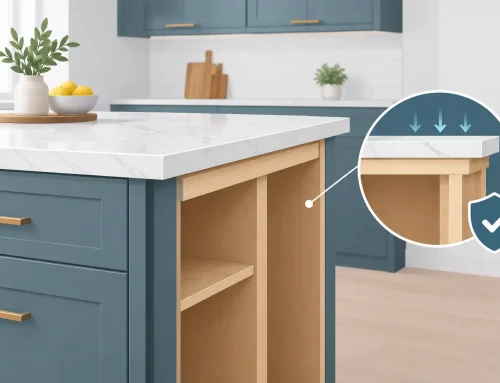
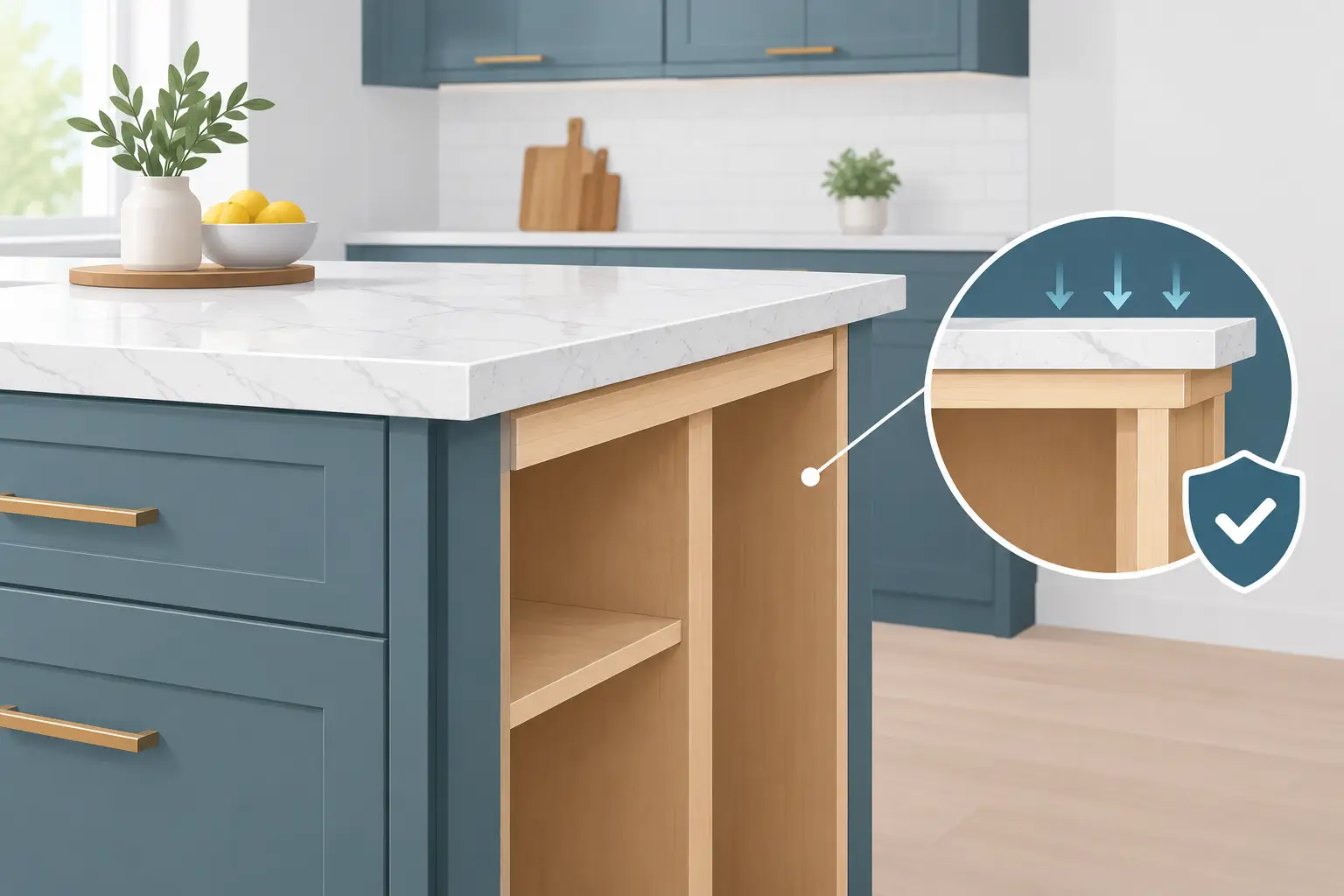
Look beyond the door. The cabinet box carries the weight of countertops, dishes, cookware, and daily activity. Many value-focused cabinet lines use furniture board or plywood for box components. Neither material automatically makes a cabinet good or bad. Thickness, edge treatment, joinery, back-panel construction, and how the cabinet is installed all matter.
For a busy kitchen, ask whether the brand offers full-height backs, sturdy hanging rails, adjustable shelves, and reinforced base cabinets where needed. Plywood construction can be a worthwhile upgrade in areas exposed to moisture or heavy use, but a well-built furniture-board cabinet may still be a sensible fit for a budget-conscious project.
Drawer and hinge quality
Drawers and doors receive the most wear, so this is one area where small details matter. Full-extension drawer glides let you reach the back of the drawer. Soft-close hinges and glides reduce slamming and make the kitchen feel more refined without changing the overall design.
Check whether the brand includes these features as standard or treats them as upgrades. Also ask about drawer-box material and construction. A solid wood drawer box with dovetail joints is a popular feature in many mid-market lines, while other brands use durable engineered drawer systems. The better choice depends on the cabinet line, warranty, and how the drawers are built as a whole.
Door material and finish
Affordable cabinet brands commonly offer painted MDF doors, painted hardwood doors, thermofoil doors, wood veneer, and stained solid-wood options. Each can work well when selected for the right project.
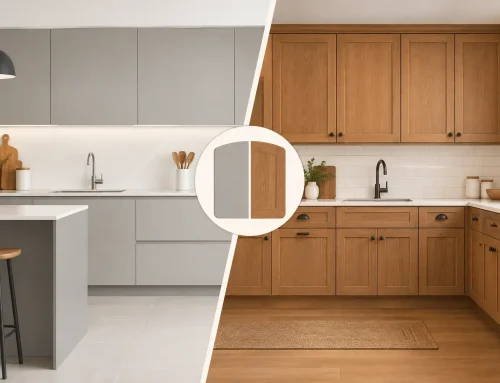
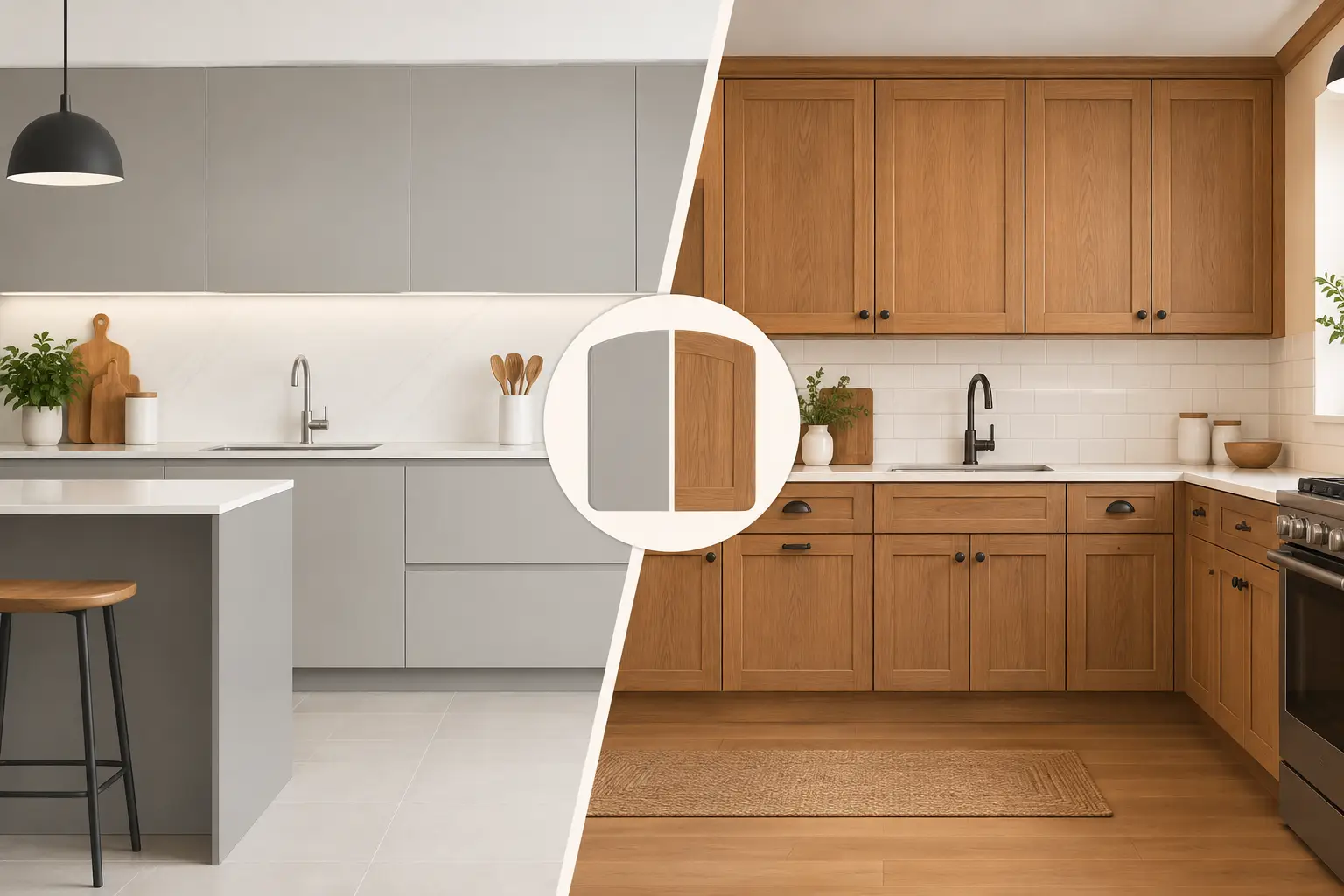
Painted MDF doors are often smooth and consistent, making them popular for clean white, gray, and modern painted kitchens. Solid wood offers natural grain and can be a strong choice for stains, though wood movement is normal as humidity changes. Thermofoil can be a budget-friendly option for certain contemporary looks, but it should be evaluated carefully near high-heat areas and in heavily used kitchens.
Ask to see a full door sample in the showroom, not just a small color chip. Look at the finish in natural light, feel the edge profile, and consider how it will coordinate with your flooring, countertop, backsplash, and wall color.
Size and storage options
A lower cabinet price does not help much if the available sizes leave large fillers, wasted corners, or awkward gaps. Compare standard widths, tall cabinet choices, pantry options, glass-door selections, and vanity sizes. For bathrooms, verify sink-base sizes and whether the line has pieces that work with your plumbing location.
Storage accessories should be chosen intentionally. Pullout trash units, roll-out trays, drawer organizers, blind-corner solutions, and spice pullouts can improve everyday function. They can also add quickly to the budget. Start with the storage upgrades that solve a real problem in your current kitchen, then add more only if the budget allows.
Common Brands and Cabinet Categories to Consider
National and regional cabinet availability changes by market, so the best choice is not always the brand with the largest online presence. Lines such as Fabuwood, Forevermark, J&K Cabinetry, CNC Cabinetry, and similar dealer-supplied brands are often considered by homeowners shopping for value-oriented or mid-market cabinetry. Their offerings, construction details, lead times, and available finishes can differ significantly by collection.
Big-box cabinet programs can also make sense for a smaller project, a rental property, or a homeowner who is comfortable managing measuring, delivery, assembly, and installation. The trade-off is that design support and project coordination may be more limited. Ready-to-assemble cabinets can reduce initial costs as well, but assembly quality, freight, damage handling, and installation time need to be factored into the real total.
A local cabinet showroom can offer another advantage: the ability to compare several cabinet lines side by side and build a design around the actual room. At The Cabinets Store, homeowners can evaluate cabinetry alongside countertops, vanities, flooring, and remodeling support, which helps prevent finishes and measurements from being chosen in isolation.
Do Not Compare Cabinet Quotes Line by Line Too Quickly
Two quotes with similar totals may include very different scopes. One may include crown molding, panels, soft-close hardware, delivery, design, and professional installation. Another may only cover cabinet boxes and doors. Before deciding that one affordable cabinet brand is cheaper, ask for a clear breakdown of what is included.
Pay close attention to fillers, end panels, toe kicks, trim, hardware, modifications, delivery, removal of old cabinets, and installation. Countertops, plumbing changes, electrical work, permits, and backsplash are separate from cabinetry in many projects, yet they affect the renovation budget just as much.
Lead time deserves the same attention. A cabinet line that fits the budget but cannot arrive when your contractor is ready may delay countertop templating and extend the time your kitchen is out of service. Availability is especially relevant when replacing damaged cabinets or coordinating a larger remodel.
A Better Way to Set Your Cabinet Budget
Start with a realistic all-in project number, then identify how much can go toward cabinetry without leaving the rest of the room underfunded. Homeowners often focus on cabinet doors first and later find that countertops, installation, lighting, or necessary repairs have changed the plan.
Next, separate must-haves from nice-to-haves. If you cook often, durable drawers and practical storage may matter more than decorative glass doors. If resale is the priority, a timeless door style, cohesive color palette, and solid installation may provide more value than highly personalized accessories. For a bathroom vanity, moisture resistance, available width, and countertop compatibility may carry more weight than a long list of kitchen-style upgrades.
Bring room measurements, photos, inspiration images, and a list of what frustrates you about the current layout to your cabinet consultation. A design professional can identify whether a standard cabinet line will work efficiently or whether one or two strategic upgrades would make the room function better.
The right cabinet choice should leave you feeling confident when you open a drawer, clean around the sink, and use the room every day – not just when you first see the finished photos. Choose a line that fits your home, your timeline, and the way your household actually lives.