
A cabinet quote can look great on paper and still lead to the wrong kitchen. That usually happens when homeowners focus only on door style or price tag and miss the details that affect how the space works every day. If you are comparing kitchen cabinets for sale, the real goal is not just finding cabinets you like. It is finding cabinets that fit your layout, your storage needs, and your budget without creating problems later.
In the Greater Tampa Bay area, that matters even more because kitchens often need to balance style, durability, and value. Some homeowners want a full remodel with design support and installation. Others are replacing outdated cabinets and want solid guidance without paying for a fully custom process. Either way, a smart cabinet purchase starts with knowing what actually changes the final result.
Not all kitchen cabinets for sale are equal
At first glance, many cabinet lines look similar. You might see the same popular colors, shaker doors, soft-close features, and clean showroom displays. The difference usually shows up in construction, finish quality, sizing flexibility, and how well the cabinets can be planned around your kitchen.
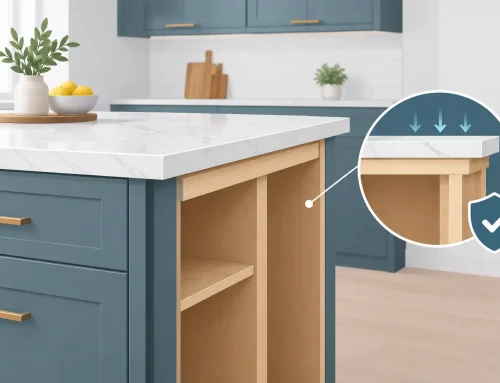
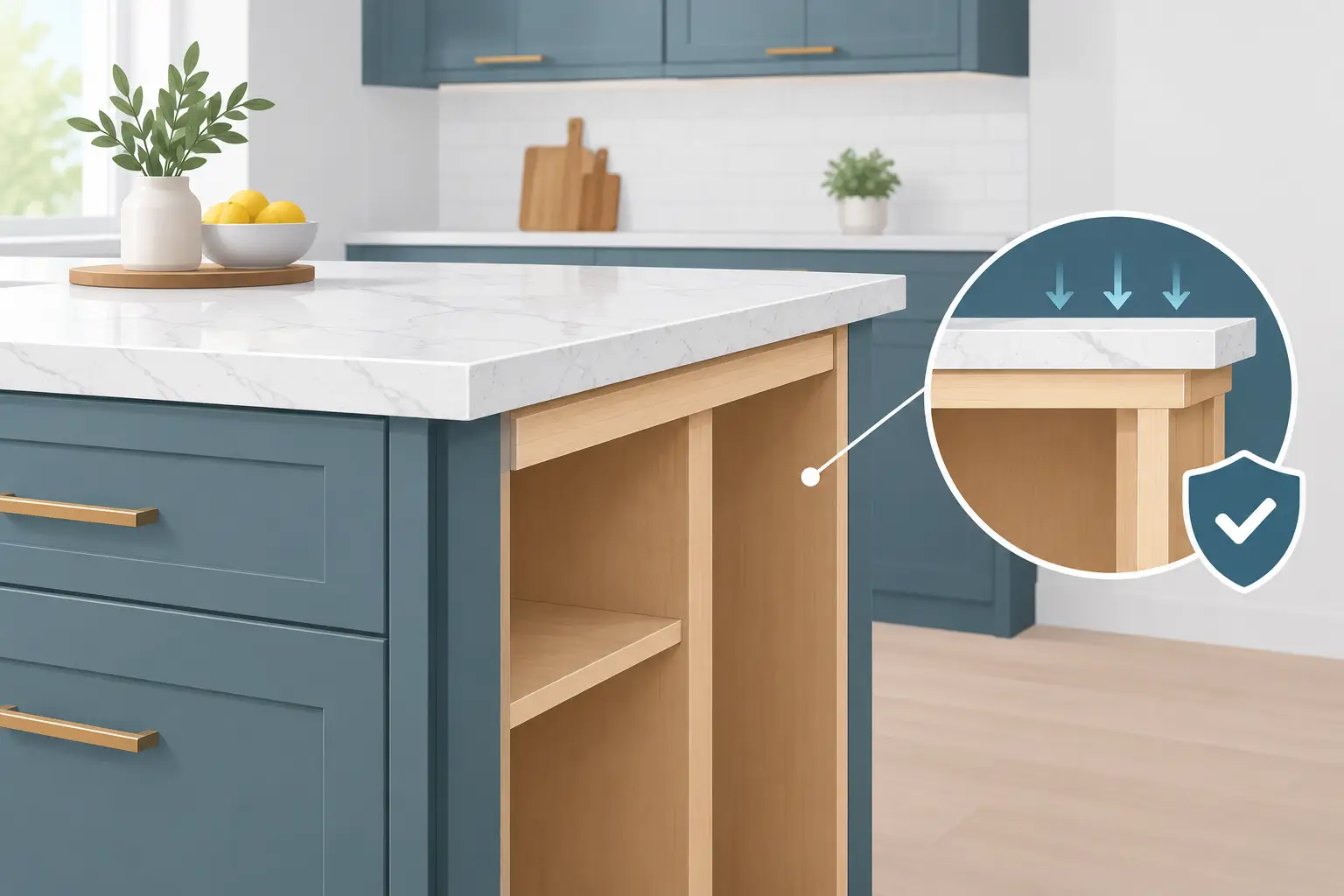
Cabinet boxes are a good place to start. Look at the material, the thickness of the sides, and how the back panel is built. Ask whether shelves are adjustable, how drawers are assembled, and what hardware is included. A lower price can still be a good value, but only if the cabinet line holds up to daily use.
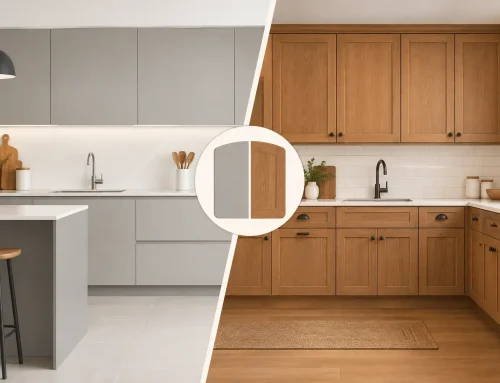
Finish matters too, especially in a hardworking room like the kitchen. Painted cabinets can look beautiful, but the quality of the paint process affects how well they resist wear around handles, corners, and high-traffic areas. Stained wood cabinets bring warmth and character, but they can also reveal more variation. Neither is automatically better. It depends on the look you want and how much maintenance you are comfortable with.
Start with your kitchen, not the catalog
One of the biggest mistakes homeowners make is choosing cabinets based on a photo before thinking through the room. A door style may be beautiful, but if the layout does not improve storage and movement, the kitchen will still feel frustrating.
Before choosing a cabinet line, think about how you use the space. Do you need deeper drawers for pots and pans? More pantry storage? Better corner access? A larger island? Many kitchen problems are really planning problems, not product problems.
This is where design support makes a difference. A good plan can help you avoid wasted space, awkward appliance clearances, and filler pieces that eat up usable storage. It can also help you decide when stock or semi-custom cabinets are enough and when a more flexible option is worth the extra cost.
Price matters, but value matters more
Everyone has a budget, and most homeowners are trying to improve their kitchen without overspending. That is exactly why cabinet shopping should go beyond the lowest number.
When comparing quotes, ask what is actually included. Some cabinet packages look inexpensive until you add trim, panels, crown molding, hardware upgrades, delivery, or design revisions. Others may cost more upfront but save money because the layout is more efficient or the cabinet line offers better standard features.
There is also the question of lifespan. If a cabinet line fits your budget but needs replacing sooner, it is not always the better deal. On the other hand, paying for features you will never use does not make sense either. The right choice usually sits between bargain shopping and overbuilding.
For many homeowners, semi-custom cabinetry hits that middle ground well. It offers more style and sizing flexibility than basic stock cabinets, often without the price jump of full custom work. If your kitchen has standard dimensions, stock cabinets may still be a strong option. If the room has unusual walls, tight corners, or a design vision that needs more tailoring, more flexibility can save you from expensive compromises.
Style should fit the home and the homeowner
Cabinets take up a lot of visual space, so style matters. But style should support the home rather than fight it.
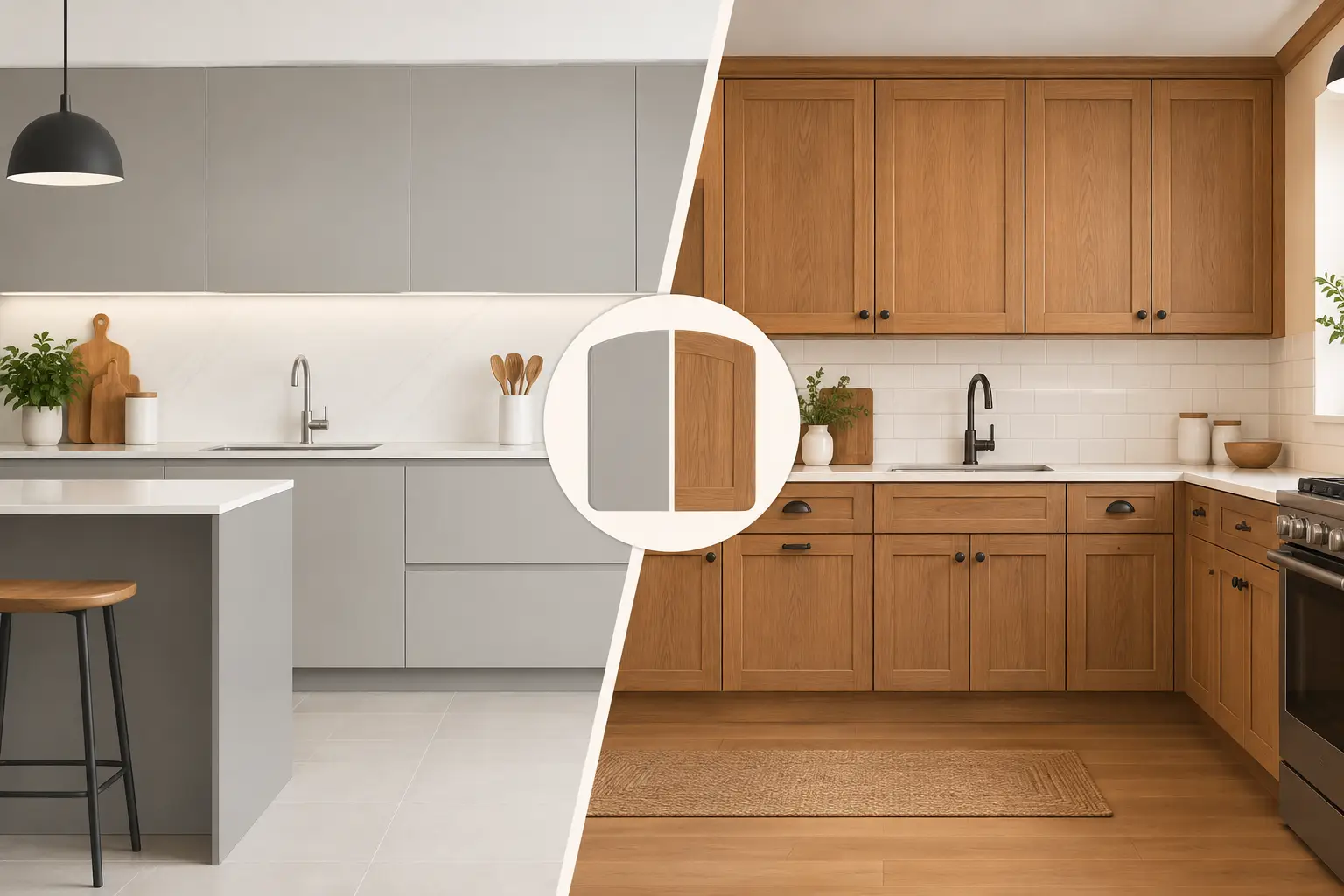
Shaker cabinets remain popular because they work in almost any setting, from coastal and transitional homes to more modern updates. Raised-panel doors tend to feel more traditional. Flat-panel styles create a cleaner, more contemporary look. Color choices matter just as much. White kitchens stay popular because they brighten the room and keep resale broad, while wood tones, soft grays, and warmer painted finishes can add personality without feeling risky.
That said, trends move fast. A showroom display may look fresh today and tired in a few years. If you are planning to stay in the home for a long time, choose a cabinet style you will enjoy living with, not just one that photographs well. If resale is a top concern, lean toward timeless finishes and functional storage upgrades buyers notice right away.
Storage upgrades can change the whole kitchen
Homeowners often think of cabinets as boxes with doors, but the inside matters just as much as the outside. The best kitchen remodels usually include a few storage upgrades that make daily routines easier.
Drawers in base cabinets are one of the most useful improvements because they reduce bending and make items easier to reach. Pull-out trash storage helps keep the kitchen cleaner. Tray dividers, spice pull-outs, rollout shelves, and pantry organizers can make a smaller kitchen work much harder.
This is one area where it pays to be honest about your habits. If you cook often, prep storage and pot drawers may matter more than decorative glass doors. If you need a family-friendly layout, easy-access snack and dish storage may be the priority. Good cabinet planning is less about adding every accessory and more about choosing the few that solve the problems you deal with every day.
Timing, measurements, and installation affect the final result
Even the best cabinets can disappoint if the process is rushed. Accurate measurements are critical, especially around windows, plumbing, appliances, and ceiling details. A small measuring mistake can turn into delays, reorders, and added costs.
Lead time matters too. Some cabinet lines are available quickly, while others take longer depending on finish, modifications, and market conditions. If you are working around a move, holiday schedule, or broader remodel timeline, cabinet availability should be part of the decision early on.
Installation is the last piece many homeowners underestimate. Cabinets need to be level, aligned, and finished properly for the kitchen to look right and function well. If you are a DIY homeowner, make sure the cabinet plan is realistic for your skill level. If you want a smoother process, working with a local team that handles design, product selection, and project coordination can remove a lot of stress.
That is one reason many Tampa Bay homeowners prefer a showroom-based process. You can compare styles in person, ask practical questions, and get guidance based on your actual kitchen instead of guessing from a screen. At The Cabinets Store, that kind of hands-on planning helps homeowners avoid common mistakes and feel more confident about where their budget is going.
How to shop smarter for cabinets
When you are reviewing kitchen cabinets for sale, try to slow the process down just enough to ask better questions. What is the cabinet made of? What sizes are available? What upgrades come standard? How will this line fit your kitchen layout? What happens if measurements need adjustment? Those answers tell you more than a color sample ever will.
It also helps to compare the entire project, not just the cabinet boxes. Countertops, flooring, backsplash, and installation details all affect the finished kitchen. If your cabinet choice works against those elements, the remodel can become more expensive and more complicated than expected.
A good cabinet purchase should leave you with more than a nice-looking room. It should make cooking easier, storage more efficient, and the overall remodel feel worth the investment. The best time to protect your budget is before you order, while there is still room to make smart adjustments.
A kitchen remodel does not have to feel overwhelming when the cabinet decision is grounded in real information. If you start with how you live, compare quality honestly, and get guidance where it counts, the right kitchen usually becomes much easier to see.