

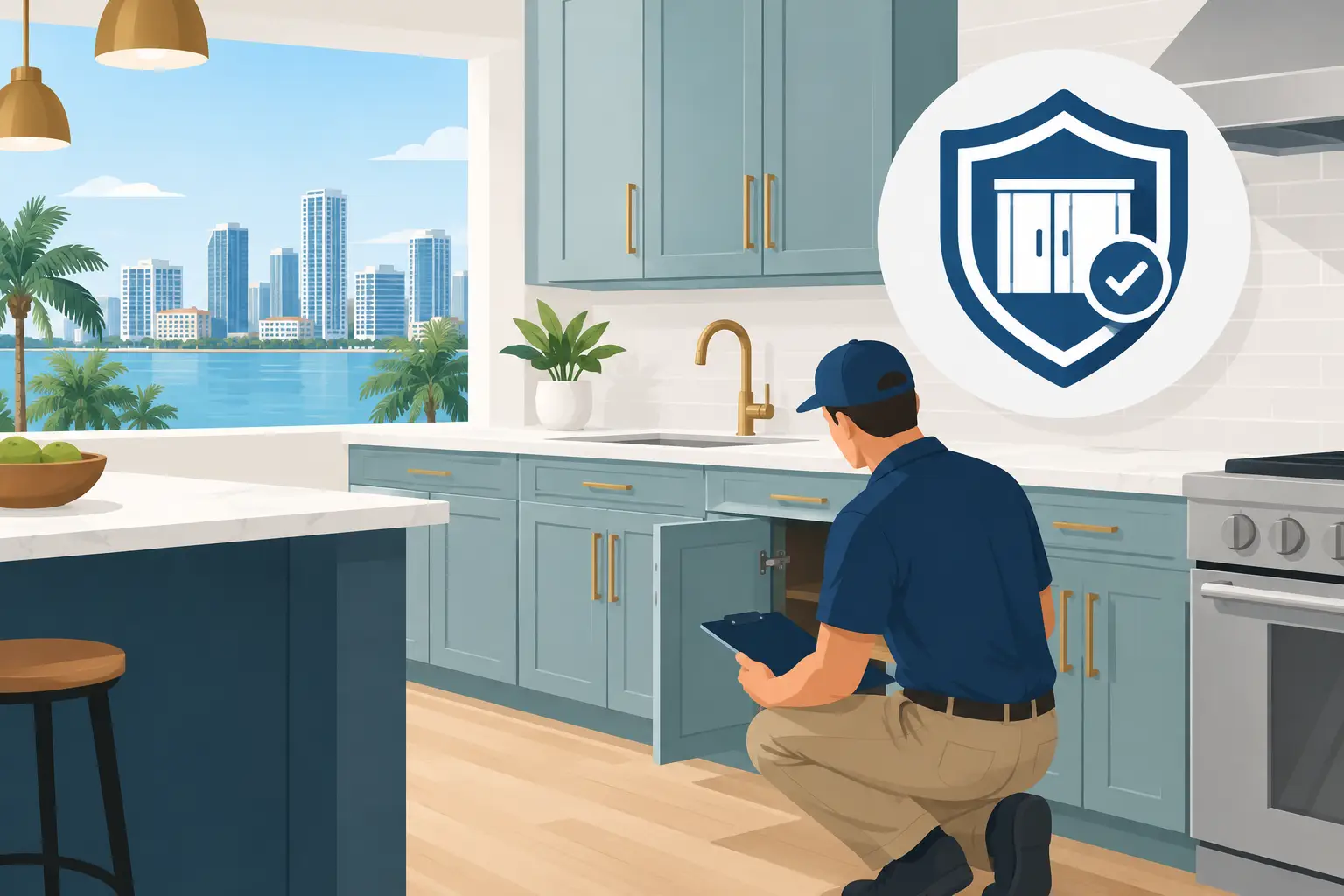
A cabinet warranty can look reassuring on a quote, but the real value is in the details you may not read until something goes wrong. Cabinet warranties vary by manufacturer, cabinet line, finish, and installer. For Tampa Bay homeowners planning a kitchen or bathroom remodel, understanding those differences before ordering can prevent frustration, unexpected costs, and avoidable delays later.
A well-built cabinet should serve your home for years, but no warranty makes every issue automatically covered. Normal wear, moisture exposure, installation conditions, and how the cabinets are used all matter. The goal is not simply to find the longest warranty. It is to choose quality cabinets with coverage you understand and a local team that will help you navigate the process if a concern arises.
What Cabinet Warranties Usually Cover
Most cabinet warranties are limited warranties. That means the manufacturer agrees to repair, replace, or provide a credit for a component that has a verified defect in materials or workmanship during the stated coverage period. The specific remedy is usually decided by the manufacturer, not the homeowner.
Coverage often applies to cabinet boxes, doors, drawer fronts, hardware, hinges, drawer glides, and factory-applied finishes. A defect might include a door that warps beyond the manufacturer’s allowance, a finish that fails under normal indoor conditions, or a drawer glide that stops working because of a manufacturing issue.
The word “lifetime” deserves a closer look. A limited lifetime warranty commonly means coverage for as long as the original purchaser owns and lives in the home. It does not necessarily mean every cabinet part, every finish, or labor to remove and reinstall a replacement is covered for life. Some components may have shorter terms, especially hardware, painted finishes, decorative accessories, or products used in rental and commercial properties.
Product Coverage and Labor Coverage Are Different
This is one of the most common points of confusion. A cabinet manufacturer’s warranty generally covers the product, while installation workmanship is handled separately by the installer or remodeling company. If a cabinet door has a factory defect, the manufacturer may provide a replacement door. If correcting the issue requires uninstalling cabinets, disconnecting plumbing, removing countertops, or repainting surrounding surfaces, those costs may not be included.
Ask for both documents: the manufacturer’s product warranty and the installer’s workmanship warranty. They protect different parts of the project, and both matter in a full kitchen or bathroom renovation.
What Cabinet Warranties Commonly Exclude
Warranties are designed for defects, not every change a cabinet experiences over time. Knowing the exclusions helps set fair expectations and helps you protect your investment.
Normal wear is usually excluded. That can include small scratches, dents, fading from direct sunlight, minor finish changes, and gradual loosening caused by daily use. A painted cabinet finish may develop slight variations or hairline seams as wood expands and contracts. That is often considered a natural characteristic of the material rather than a manufacturing defect.
Water and humidity damage are also frequent exclusions. This is especially relevant in Florida homes. Cabinets installed next to a dishwasher, under a leaking sink, in a poorly ventilated bathroom, or near an active plumbing leak can swell, delaminate, discolor, or warp. Even a strong warranty may not cover damage caused by standing water, high humidity, or inadequate ventilation.
Other common exclusions include improper installation, unauthorized modifications, misuse, damage during moving, insect damage, and exposure to harsh cleaners. Replacing a door pull, drilling new hardware holes, cutting into a cabinet for an appliance, or refinishing a door can affect coverage. That does not mean you cannot personalize your cabinets, but it is wise to understand the warranty implications first.
Questions to Ask Before You Buy Cabinets
A warranty should be part of the cabinet conversation, not an afterthought once the order is placed. During your showroom consultation, ask which parts of the cabinet line are covered and for how long. Also ask whether the warranty transfers if you sell your home, since many do not.
Get clear answers about who handles a claim. Will you work directly with the manufacturer, or will your cabinet supplier help submit documentation and communicate with the company? A local partner can make a meaningful difference when you need photos reviewed, replacement parts ordered, or a matching door identified.
It is also smart to ask what happens if the exact door style or finish is discontinued. Manufacturers may offer a comparable replacement rather than an exact match. In a kitchen with cabinets exposed to years of sunlight and everyday use, a new replacement door can look slightly different from the existing ones. That is not always a sign of poor quality. It is one reason to address a concern promptly rather than waiting until the difference becomes more noticeable.
Finally, ask whether labor is included for approved warranty claims and whether there are shipping, service-call, or reinstallation charges. Clear expectations at the beginning make the resolution process much easier if an issue develops.
How to Protect Your Cabinet Coverage
Proper care supports both the appearance of your cabinets and your ability to make a claim if a genuine defect appears. Keep your final invoice, cabinet order information, warranty paperwork, and any installation records in one place. Take photos after installation, especially of the finished kitchen or bath before the room is fully in use. Those photos can establish the original condition if a concern arises later.
Use a soft cloth and a mild cleaner recommended for cabinetry. Avoid abrasive pads, waxes, solvent-based products, ammonia-heavy cleaners, and excessive water. Wipe up spills promptly, particularly around sinks, dishwashers, trash pullouts, and bathroom vanities. Run bathroom exhaust fans during showers and address plumbing leaks immediately.
Cabinets also need reasonable care in daily use. Do not hang from open doors or drawers, overload pullouts, or use cabinet surfaces as cutting boards or workbenches. If a hinge needs adjustment or a drawer begins rubbing, deal with it early. A simple adjustment can prevent a small alignment issue from becoming finish damage or strain on the hardware.
Inspect the Project at the Right Time
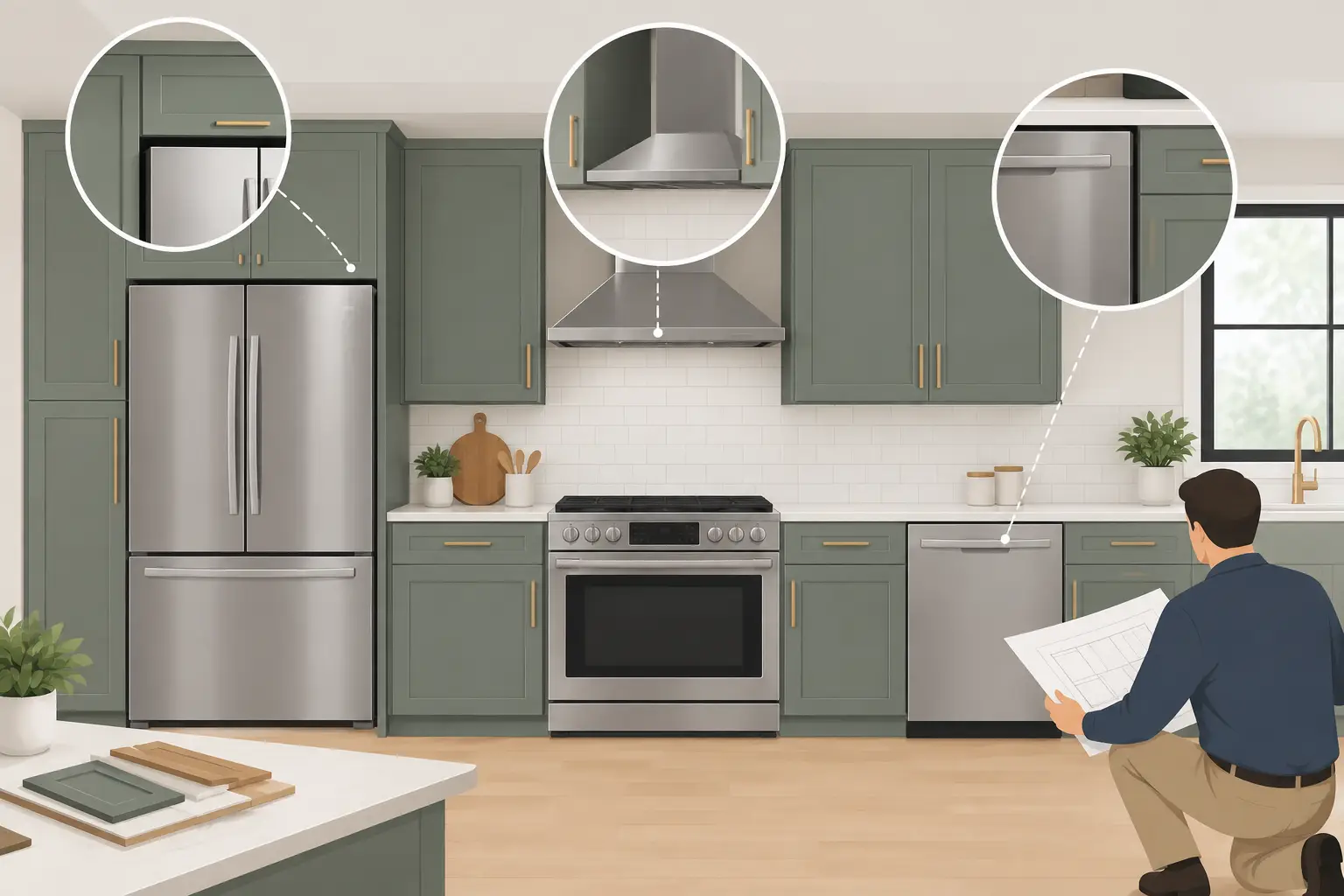
Inspect cabinets carefully when they arrive and again before final installation is complete. Look for shipping damage, incorrect door styles, finish concerns, missing parts, and obvious alignment issues. Report concerns quickly, ideally before countertops, tile, and appliances make access more difficult.
Some details are easier to assess after installation. Doors and drawer fronts may need final adjustments once cabinets are leveled, secured, and loaded. Wood doors can also respond to indoor temperature and humidity changes after delivery. A qualified installer can often make normal adjustments, but documenting any concern early preserves your options.
Choosing Value Beyond the Warranty Term
A longer warranty can be a positive signal, but it should not be the only reason to choose a cabinet line. Construction quality, door material, finish process, hardware performance, available sizes, lead time, and the support behind the sale all affect your experience more than a headline warranty term.
For example, a value-focused cabinet line with solid construction, dependable hardware, and a clearly explained limited warranty may be a better fit than a more expensive option with broad-sounding language and difficult claim requirements. The right choice depends on your budget, how long you expect to stay in the home, the demands of your household, and whether you are remodeling a primary residence, rental, or vacation property.
At The Cabinets Store, cabinet selection is part of a larger planning conversation that includes layout, storage, finishes, countertops, and installation needs. That approach helps homeowners compare options based on the complete project, not one line of fine print.
Before you approve your cabinet order, take a few minutes to read the actual warranty, save the paperwork, and ask the questions that feel specific to your home. That small step gives you more confidence in the cabinets you choose and a clearer path forward if you ever need support.



Leave A Comment
You must be logged in to post a comment.